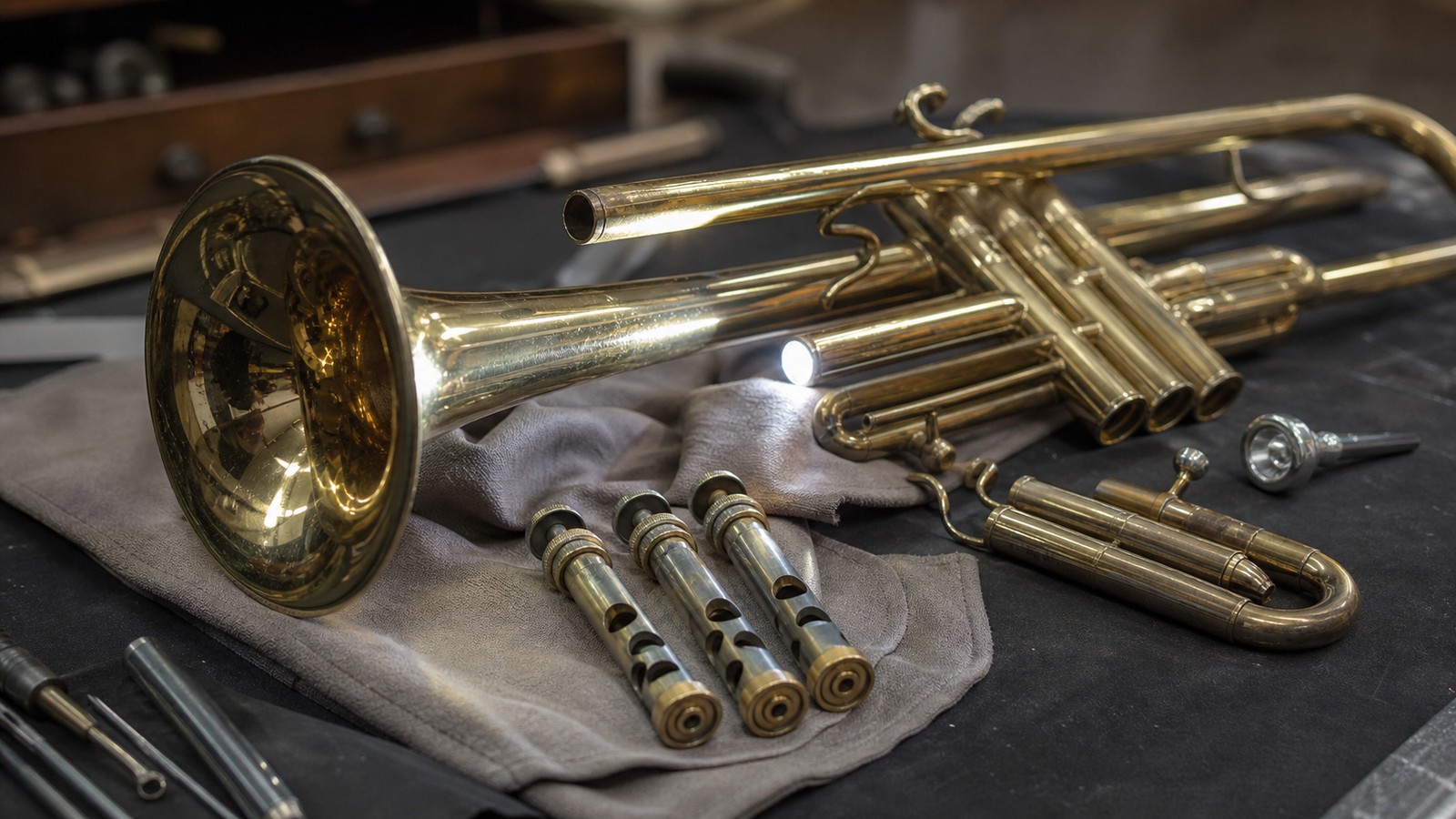
Choosing the best trumpet for marching band use is very different from selecting one for concert hall performance or studio work. Marching band demands durability, projection, comfort, and consistency under conditions that are anything but gentle. Long rehearsals under the sun, fast drill movements, unpredictable weather, and the physical demands of playing while moving all put unique stress on both the musician and the instrument. The right trumpet becomes not just a musical tool, but a reliable field partner that can survive an entire season and still sound strong on game night. Marching trumpets must balance sound power with endurance. They need to cut cleanly through a wall of percussion, low brass, and amplified instruments without becoming shrill or fatiguing. At the same time, they must remain comfortable enough to play for extended periods, often while executing demanding visual choreography. This article explores what truly makes a trumpet ideal for marching band, how different materials and designs affect performance, and which manufacturers consistently deliver instruments trusted by high school, collegiate, and drum corps players alike.
A: Yes, but many prefer a separate horn for durability.
A: They are designed for better outdoor projection.
A: Yes, it affects sound spread and presence.
A: It projects well but requires more care.
A: Ideally before every rehearsal or performance.
A: Often yes, but balance is key.
A: Medium-large is common for marching.
A: Absolutely—shallower cups often help outdoors.
A: Consistent brands help section blend.
A: Yes, with proper instruction and a suitable horn.
What Makes a Trumpet Ideal for Marching Band
A marching band trumpet must prioritize projection and reliability over subtle tonal complexity. On a football field, the audience may be hundreds of feet away, and the sound must travel clearly through open air. This means a slightly brighter, more focused tone is often preferred, as it carries farther than a warm, orchestral sound designed for indoor acoustics.
Durability is another defining requirement. Marching instruments are exposed to temperature swings, moisture, accidental bumps, and the occasional dropped horn during drill transitions. A marching trumpet should have a sturdy bell, reinforced bracing, and valves that maintain alignment even after months of heavy use. Comfort also matters more than many players initially realize. A well-balanced trumpet reduces wrist and shoulder fatigue, which can significantly impact endurance over a long rehearsal schedule. Finally, consistency is crucial. Marching ensembles rely on uniform sound across entire trumpet sections. Instruments that respond predictably, slot notes securely, and maintain stable intonation help ensure that ensemble sound remains locked in, even when players are physically tired.
Sound Projection and Tone Color on the Field
Projection is often misunderstood as simply “playing louder,” but in marching band, projection is about clarity and focus. Trumpets designed for marching tend to have medium-large to large bores that allow air to move freely, producing a strong, penetrating sound without excessive resistance. This helps players maintain volume without overblowing, which can lead to fatigue and intonation problems.
The bell size and flare also play an important role. Slightly larger bell flares help disperse sound efficiently across the field, while maintaining a strong core to the tone. The goal is not harshness, but presence. A trumpet that sounds too dark may disappear in an outdoor setting, while one that is overly bright can become thin and tiring over long performances. The best marching trumpets strike a balance, offering brilliance that carries while still retaining enough body to blend within the section.
Materials and Construction for Outdoor Performance
Brass composition affects both tone and durability. Yellow brass, which contains a higher percentage of zinc, is the most common choice for marching trumpets. It offers a bright, projecting sound and is relatively affordable and durable. Gold brass and rose brass bells, which contain more copper, tend to produce a warmer tone but are softer metals and more prone to denting, making them less ideal for rigorous marching use. Finish also matters more than many players expect. Lacquered finishes are common for marching trumpets because they provide protection against moisture and temperature changes while keeping maintenance simple. Silver-plated instruments offer slightly more brilliance and durability, but they require more frequent cleaning and are often heavier and more expensive. For many marching programs, lacquered yellow brass remains the most practical and reliable option. Valve construction is critical. Marching band rehearsals involve constant playing, and sluggish or unreliable valves can quickly derail a performance. High-quality stainless steel or monel valves with tight tolerances and smooth action are essential. A trumpet that responds instantly allows players to focus on music and drill rather than mechanical issues.
Weight, Balance, and Player Endurance
Weight distribution plays a huge role in how comfortable a trumpet feels during long rehearsals. A well-balanced instrument reduces strain on the wrists and forearms, which can make the difference between finishing a season strong or developing chronic fatigue. Marching trumpets are often slightly heavier than beginner concert models due to reinforced bracing, but the best designs distribute that weight evenly. Leadpipe design also affects comfort and airflow. A leadpipe that offers moderate resistance helps players maintain control and endurance, especially during sustained loud passages. Too much resistance can be exhausting, while too little can lead to overblowing and pitch instability. The ideal marching trumpet allows the player to push air efficiently without fighting the instrument.
Durability and Maintenance in a Marching Environment
Outdoor performance exposes instruments to conditions that concert trumpets rarely face. Heat can expand metal, cold can contract it, and moisture from humidity or breath can accumulate quickly. Marching trumpets should have strong solder joints, reinforced valve casings, and sturdy tuning slides that maintain alignment even after repeated adjustments.
Ease of maintenance is another key consideration. Students and marching programs benefit from instruments that are simple to clean and oil, with slides that move freely and valves that remain smooth even if maintenance routines are not perfect. A trumpet that tolerates less-than-ideal conditions without significant performance loss is a major advantage during a busy marching season.
Trusted Manufacturers for Marching Band Trumpets
Certain manufacturers have built long-standing reputations for producing trumpets that excel in marching environments. Yamaha is widely respected for its consistency, build quality, and valve reliability. Yamaha marching trumpets are known for even intonation and a centered sound that blends well across large sections, making them a favorite in school and collegiate programs. Bach offers trumpets with strong projection and solid construction, often favored by players who want a powerful, authoritative sound. While Bach instruments are sometimes associated with orchestral playing, many of their models translate well to the field due to their robust build and clear tonal core.
Jupiter has become especially popular in marching programs due to its balance of affordability, durability, and solid performance. Jupiter trumpets are often chosen by schools outfitting large sections because they deliver reliable sound and resilience at a reasonable cost. Getzen is another respected name, known for excellent valve action and sturdy construction. Getzen trumpets often appeal to advancing students and experienced marchers who want a responsive instrument that can handle intense rehearsal schedules without sacrificing playability.
Student, Intermediate, and Professional Considerations
The best trumpet for marching band depends partly on the player’s experience level. Beginner and early intermediate players benefit from instruments that are forgiving, easy to blow, and resistant to damage. A trumpet with stable intonation and moderate resistance helps developing players build endurance and confidence while learning to balance music and movement.
Intermediate and advanced players may seek more projection and responsiveness. As players develop stronger embouchures and air support, they can take advantage of instruments with larger bores or more open designs that deliver greater volume and presence. However, even advanced players must prioritize durability in a marching context, as highly specialized or delicate instruments are better reserved for concert performance. Professional-level trumpets can work in marching settings, but only if the player understands the risks. Many experienced marchers choose a dedicated marching instrument to protect their primary concert horn from damage. This approach allows musicians to perform confidently on the field without worrying about dents or finish wear.
Intonation and Ensemble Blend
Marching band trumpet sections rely heavily on consistent intonation. Instruments that play predictably in tune across all registers make it easier for entire sections to lock into a unified sound. Trumpets with stable tuning tendencies reduce the need for constant slide adjustments, which can be impractical while moving. Blend is equally important. While projection is critical, a trumpet that sticks out too much can disrupt ensemble balance. The best marching trumpets produce a focused tone that blends seamlessly with other trumpets while still cutting through the full band texture. This balance allows the section to sound powerful without becoming overbearing.
Mouthpiece Pairing for Marching Performance
Although the trumpet itself is crucial, mouthpiece choice significantly influences marching performance. Many marching players opt for slightly shallower mouthpieces that enhance projection and endurance. This pairing helps players maintain clarity and volume without excessive effort, especially during high-energy passages.
The trumpet and mouthpiece should complement each other. A well-matched setup allows for efficient airflow, stable pitch, and reduced fatigue. Players often experiment during pre-season to find a combination that works best for both their instrument and physical demands.
Weather, Climate, and Seasonal Challenges
Marching seasons often span late summer through fall, exposing instruments to heat, humidity, and cold. Trumpets used for marching must tolerate rapid temperature changes without significant tuning instability. Instruments with solid construction and quality materials tend to perform more consistently as conditions shift.
Cold weather can make metal contract, sharpening pitch and stiffening valve oil. Choosing the right lubricant and maintaining regular care becomes especially important. A reliable marching trumpet responds well to these adjustments, allowing players to adapt quickly during rehearsals and performances.
Choosing the Best Trumpet for Your Program
Selecting the best trumpet for marching band use is ultimately about matching the instrument to the needs of the player and ensemble. School programs often prioritize uniformity, durability, and affordability, ensuring that entire sections sound cohesive and instruments survive multiple seasons. Individual players may prioritize comfort, response, and tonal character, especially if they balance marching with concert and jazz performance.
Testing instruments whenever possible is invaluable. Playing on the field or in a large outdoor space reveals how a trumpet truly projects and feels under marching conditions. Feedback from instructors and section leaders can also guide players toward instruments that blend well within the ensemble.
Long-Term Value and Season-to-Season Reliability
A good marching trumpet should last for years, not just a single season. Investing in quality construction and proven brands often pays off in reduced repair costs and consistent performance. Instruments that hold alignment, maintain valve compression, and resist finish wear provide long-term value for both individual players and programs. Reliability builds confidence. When players trust their instrument, they can focus fully on musical expression and visual precision. This confidence translates directly to stronger performances and a more cohesive ensemble sound.
Final Thoughts on Marching Band Trumpets
The best trumpet for marching band use is one that combines projection, durability, comfort, and consistency. It must thrive outdoors, withstand physical demands, and deliver a clear, powerful sound that supports the entire ensemble. While many excellent trumpets exist, the ideal choice depends on the player’s level, the program’s goals, and the realities of marching life. By prioritizing build quality, balanced tone, and reliable response, players and programs can choose instruments that elevate performance rather than limit it. A well-chosen marching trumpet becomes more than just equipment; it becomes a dependable partner throughout rehearsals, competitions, and unforgettable moments under the stadium lights.