

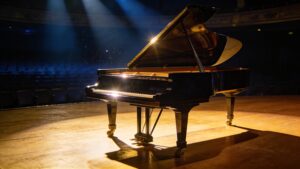
Piano
The piano is one of the most captivating instruments ever created, a rare blend of engineering genius and emotional expression. With a single press of a key, it can whisper soft lullabies, roar with orchestral power, or dance with playful elegance. Its wide dynamic range and ability to play both melody and harmony make it feel almost like an entire ensemble living within one instrument. Whether carved from gleaming wood
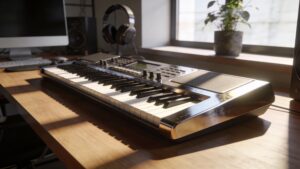
Electric Keyboard
Electric keyboards bring the expressive world of music into a modern, electrified frontier, transforming a familiar instrument into a versatile creative engine. With just a touch of a key, players can shift from the warmth of a grand piano to shimmering synth pads, vintage organ tones, or futuristic soundscapes that seem to glow with energy. Whether used for casual practice, songwriting, live performance, or digital production, the electric keyboard opens
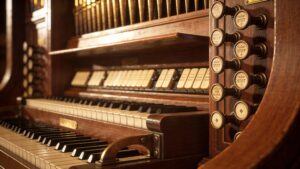
Organ
The organ is one of the most majestic and transformative instruments ever crafted, capable of filling vast cathedrals, intimate chapels, and modern concert halls with a sound that seems to breathe with the space itself. Its voice can whisper like a distant breeze, shimmer with celestial overtones, or thunder with enough power to make the walls tremble. From its towering pipes to its intricate manuals and pedals, the organ invites
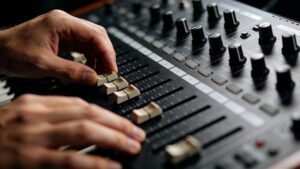
Synthesizer
A synthesizer is more than an electronic instrument; it’s a sonic playground where imagination becomes sound. From shimmering pads that feel like drifting through space to gritty bass lines that pulse like a heartbeat, the synthesizer reshapes what music can be. Unlike traditional instruments that rely on strings, reeds, or physical resonance, a synth builds tones from raw electrical signals, sculpting them with filters, oscillators, envelopes, and effects. This ability
Harpsichord
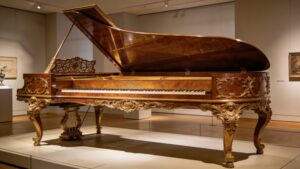
The harpsichord is an instrument that invites listeners into a world where sound feels both ancient and electric, a shimmering bridge between courtly elegance and musical invention. Its distinctive voice—bright, crisp, and almost sparkling—once filled royal chambers, candlelit salons, and the creative minds of composers who shaped Western music. To hear a harpsichord is to experience a sonic time capsule, yet its texture remains surprisingly modern, inspiring musicians who crave

Accordion
The accordion is a traveling storyteller, a pocket-sized orchestra that springs to life the moment its bellows breathe. Whether it’s weaving through the lively rhythms of folk dances, shimmering through Parisian street melodies, or anchoring the pulse of conjunto and zydeco, the accordion thrives on versatility. Its sound is both nostalgic and electrifying, capable of whispering gentle lullabies or driving energetic celebrations. With every push and pull, it creates a