

Microphones & Recording Techniques
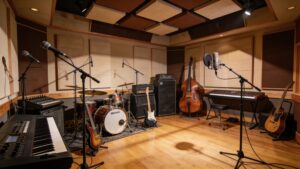
Microphones and recording techniques sit at the point where music becomes memory. They shape how a guitar feels in a room, how a vocal rises above a mix, and how the smallest detail of a performance reaches the listener with clarity and emotion. From close-miking an acoustic instrument to capturing the natural space around a grand piano or drum kit, the choices made behind the mic influence tone, depth, energy,
Audio Interfaces and DAWs
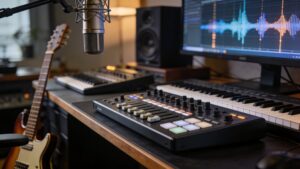
Audio interfaces and DAWs are where musical ideas stop being abstract and start becoming something you can shape, record, edit, and hear with clarity. An audio interface acts as the bridge between instruments, microphones, headphones, and your computer, while a DAW becomes the creative workspace where performances turn into polished tracks. Together, they form the modern recording environment for songwriters, producers, instrumentalists, and home studio builders who want more control
Instrument Amplifiers & Cabinets
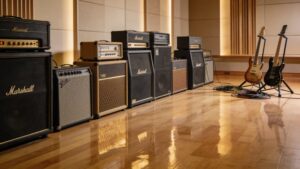
Instrument amplifiers and cabinets do far more than make musical instruments louder. They shape character, color, response, and presence, turning a clean signal into something warm, aggressive, glassy, punchy, or richly textured. From compact practice combos to towering stage-ready stacks, this category sits at the crossroads of performance and personality. Guitarists, bassists, keyboard players, and acoustic performers all rely on amplification systems that do more than project sound—they help define
Pedals, Plugins, and Effects Gear
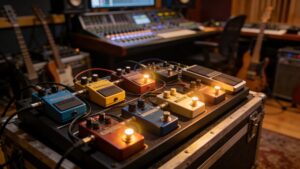
Pedals, plugins, and effects gear shape the sonic identity of modern music, turning raw instrument signals into expressive, layered soundscapes. From the tactile click of a stompbox to the precision of a digital plugin chain, these tools redefine tone at every stage of the signal path. Guitarists sculpt textures with overdrive, delay, and modulation, while producers and engineers use software effects to refine, transform, and expand recordings far beyond their
MIDI Controllers and Setup
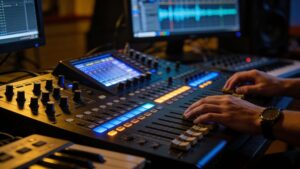
MIDI controllers and setup gear transform ideas into sound with precision, flexibility, and speed. From compact pad controllers to full-sized keyboard interfaces, these tools act as the bridge between human creativity and digital instruments. Knobs, faders, velocity-sensitive pads, and assignable controls give musicians hands-on command over virtual synths, samplers, and DAWs, turning abstract compositions into responsive, playable systems. Effects gear expands this ecosystem further, shaping tone, space, and movement in
Best Gear for Home Studios
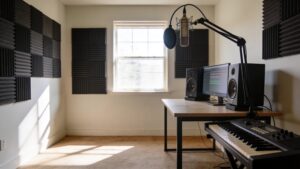
Building a home studio is about more than collecting gear—it’s about creating a space where ideas move effortlessly from inspiration to finished sound. The best home studio setups balance performance, workflow, and flexibility, allowing musicians, producers, and creators to shape recordings with clarity and control. From audio interfaces and microphones to studio monitors and MIDI controllers, each piece of gear plays a distinct role in capturing and refining your sound. Whether
Live Sound vs Studio Sound
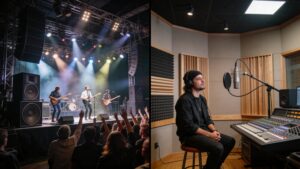
Live sound and studio sound may share the same instruments, but they operate in entirely different worlds. On stage, every note must cut through the air with clarity and energy, shaped by the room, the crowd, and the moment. Musicians and engineers prioritize projection, durability, and immediacy, building systems that translate performance into something powerful and immersive. Microphones, amplifiers, and speakers work together to deliver sound that feels alive, even
Tuning, EQ, and Tone Customization
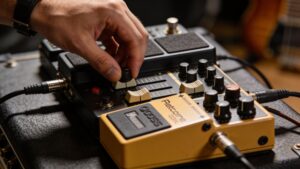
Tuning, EQ, and tone customization sit at the heart of how instruments truly come alive. Beyond simply playing the right notes, shaping sound is where musicians develop identity, control, and nuance. From dialing in perfect pitch stability to sculpting frequencies that cut through a mix or melt into it, these tools transform raw output into expressive voice. Whether acoustic or electronic, every instrument offers a palette of tonal possibilities waiting