
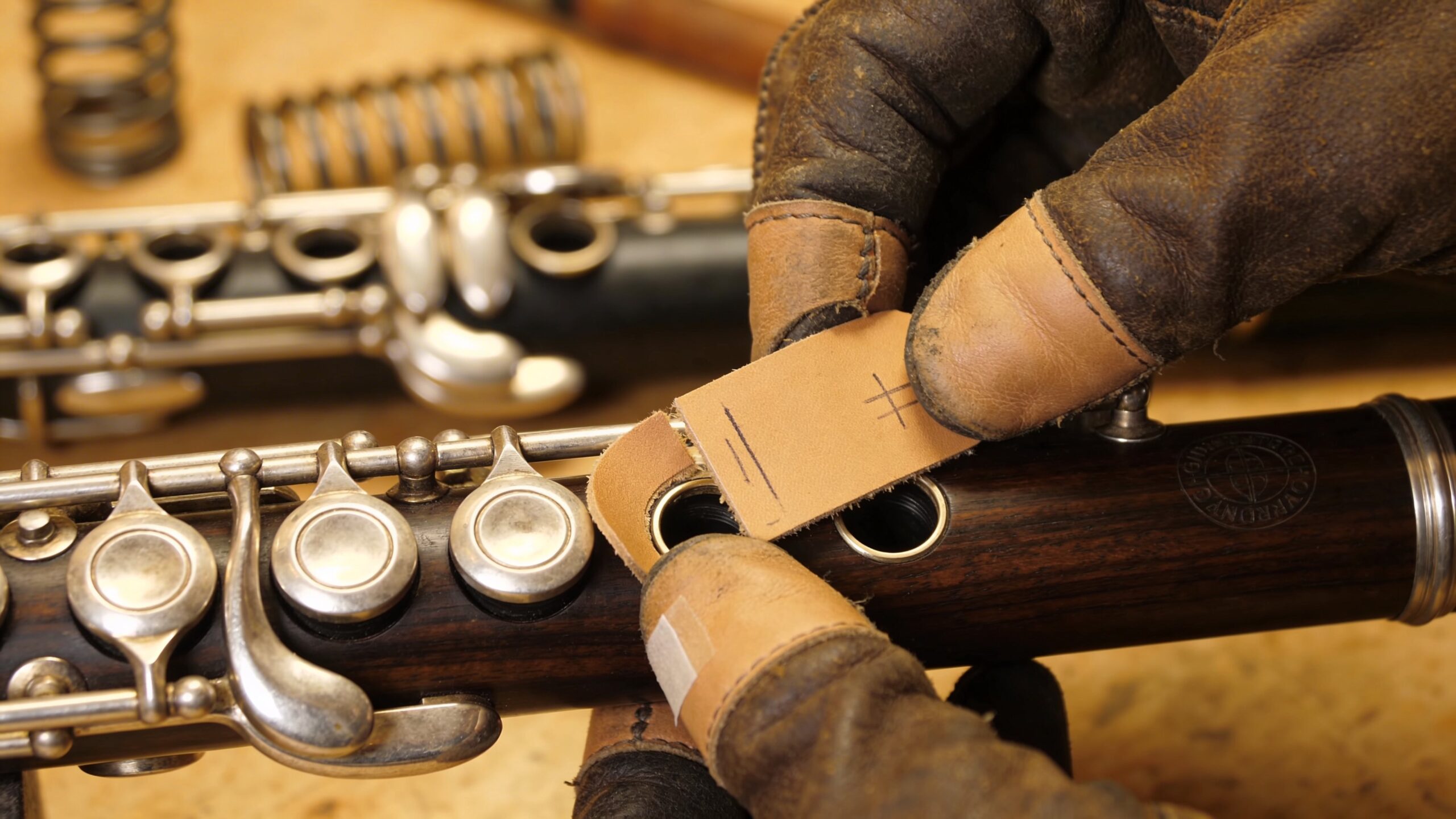
Restringing, repadding, and retuning sit at the heart of keeping instruments responsive, expressive, and reliable. These essential maintenance practices go far beyond simple upkeep—they shape how an instrument feels in the hands, how it speaks in a room, and how consistently it performs over time. From the subtle tension of fresh strings to the precise seal of new pads and the exact calibration of pitch, each adjustment restores balance between player and instrument, unlocking clarity, control, and tonal depth. Whether you’re maintaining a well-loved favorite or refining a professional setup, understanding these processes brings you closer to the mechanics of sound itself. Restringing revitalizes vibration and sustain, repadding ensures airtight precision in woodwinds, and retuning aligns every note with intention. Together, they form the foundation of dependable performance, helping instruments respond with accuracy, stability, and musical confidence across every practice session and performance.
A: Depending on use, every few weeks to months.
A: Wear, dirt buildup, or misalignment.
A: Temperature, humidity, and material changes.
A: Yes, with proper tools and guidance.
A: When they no longer seal properly.
A: Yes, though methods vary by type.
A: It provides visual pitch accuracy feedback.
A: Absolutely, often significantly.
A: For complex repairs, yes.
A: Regular adjustments and proper storage.