
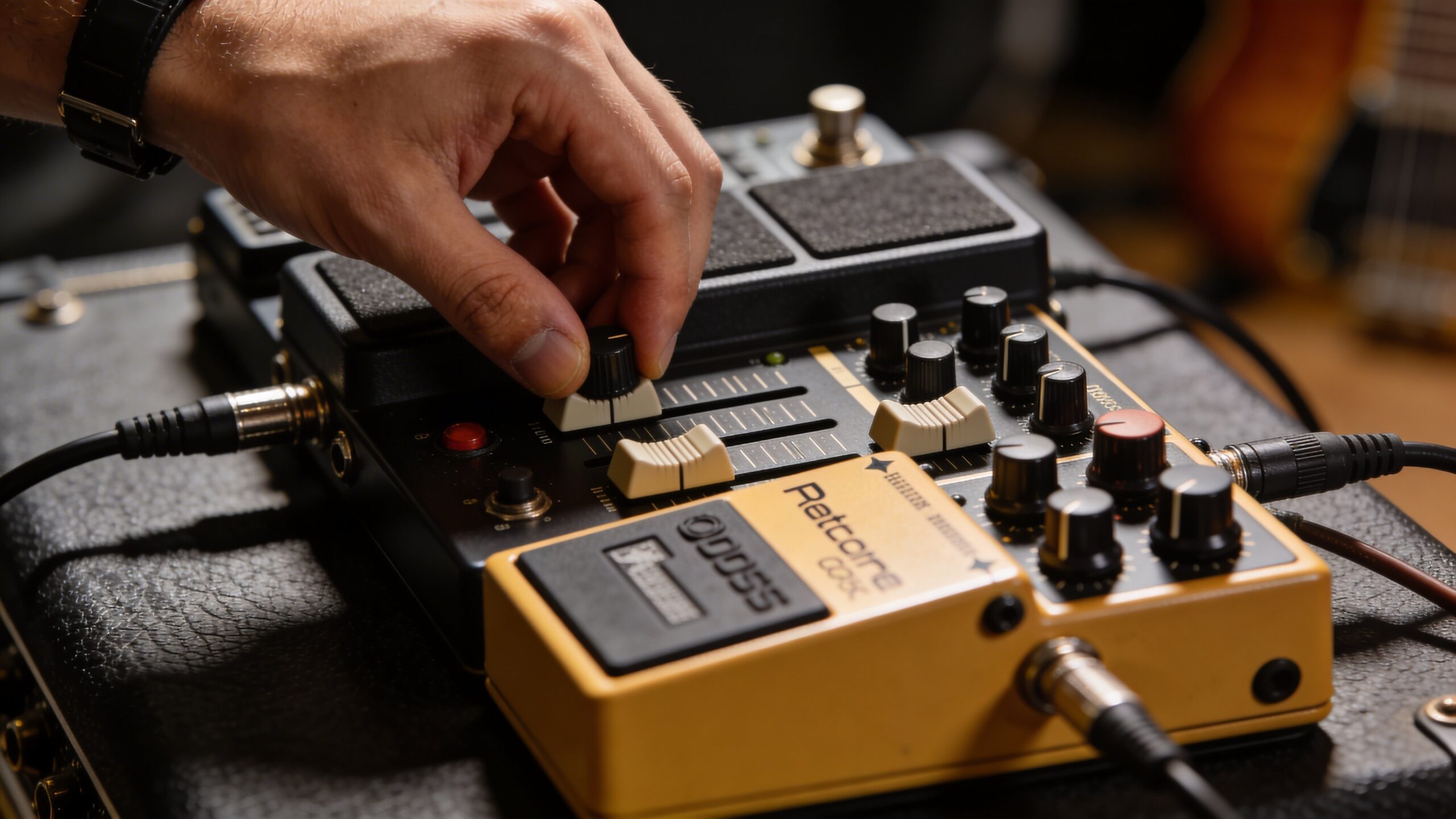
Tuning, EQ, and tone customization sit at the heart of how instruments truly come alive. Beyond simply playing the right notes, shaping sound is where musicians develop identity, control, and nuance. From dialing in perfect pitch stability to sculpting frequencies that cut through a mix or melt into it, these tools transform raw output into expressive voice. Whether acoustic or electronic, every instrument offers a palette of tonal possibilities waiting to be refined. Explore how subtle adjustments—string tension, pickup balance, filter curves, or amplifier settings—can dramatically change character and feel. Learn how equalization reveals clarity, how tuning systems influence harmony, and how customization bridges technique with technology. This space is where precision meets creativity, giving players the power to adapt their sound for stage, studio, or personal exploration.
A: It adjusts frequency balance, helping shape warmth, clarity, punch, and sparkle.
A: Cutting is often the cleaner starting point, especially for muddiness or harshness.
A: Solo tone and mix-ready tone are different; mids often matter more in ensembles.
A: Yes, it changes string tension, resonance, feel, and chord voicing.
A: Not always, but it offers more precise shaping than many onboard controls.
A: String stretch, friction points, setup issues, temperature, and hardware quality are common causes.
A: It is both; gear shapes the palette, but technique brings it to life.
A: Yes, modern modelers and plugins can deliver polished, flexible, high-quality tones.
A: Lower mids are often the first place to examine when a sound feels cloudy.
A: Usually near the front for the cleanest tracking and most reliable pitch detection.