
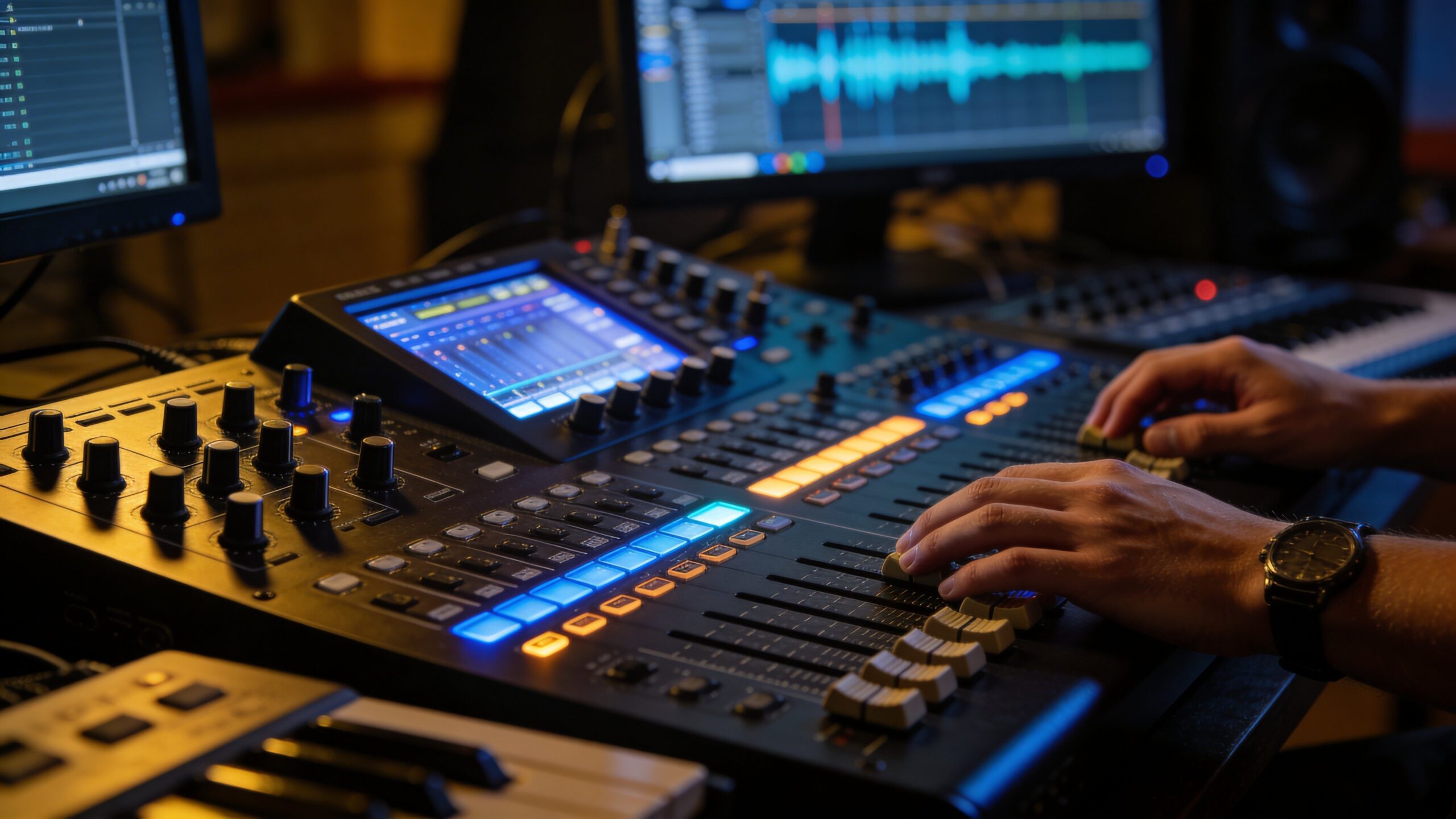
MIDI controllers and setup gear transform ideas into sound with precision, flexibility, and speed. From compact pad controllers to full-sized keyboard interfaces, these tools act as the bridge between human creativity and digital instruments. Knobs, faders, velocity-sensitive pads, and assignable controls give musicians hands-on command over virtual synths, samplers, and DAWs, turning abstract compositions into responsive, playable systems. Effects gear expands this ecosystem further, shaping tone, space, and movement in real time. Building a MIDI setup is less about owning gear and more about designing a workflow that feels intuitive. Controllers, audio interfaces, routing, and effects units all play a role in how sound is created, processed, and performed. Whether producing in a home studio or performing live, the right configuration allows seamless interaction between hardware and software. Understanding how these components connect and influence each other unlocks a deeper level of control, making every adjustment more intentional and every performance more expressive.
A: No, they send data to trigger sounds in software or hardware.
A: A controller, DAW, and basic audio interface.
A: Yes, they can control different instruments or parameters.
A: The delay between input and sound output.
A: They shape tone and add depth but aren’t required.
A: Hardware is tactile; software is flexible and portable.
A: Assigning controls to software parameters.
A: Yes, it can sync multimedia systems.
A: Recommended for better sound quality and low latency.
A: No, it remains essential in modern music production.