
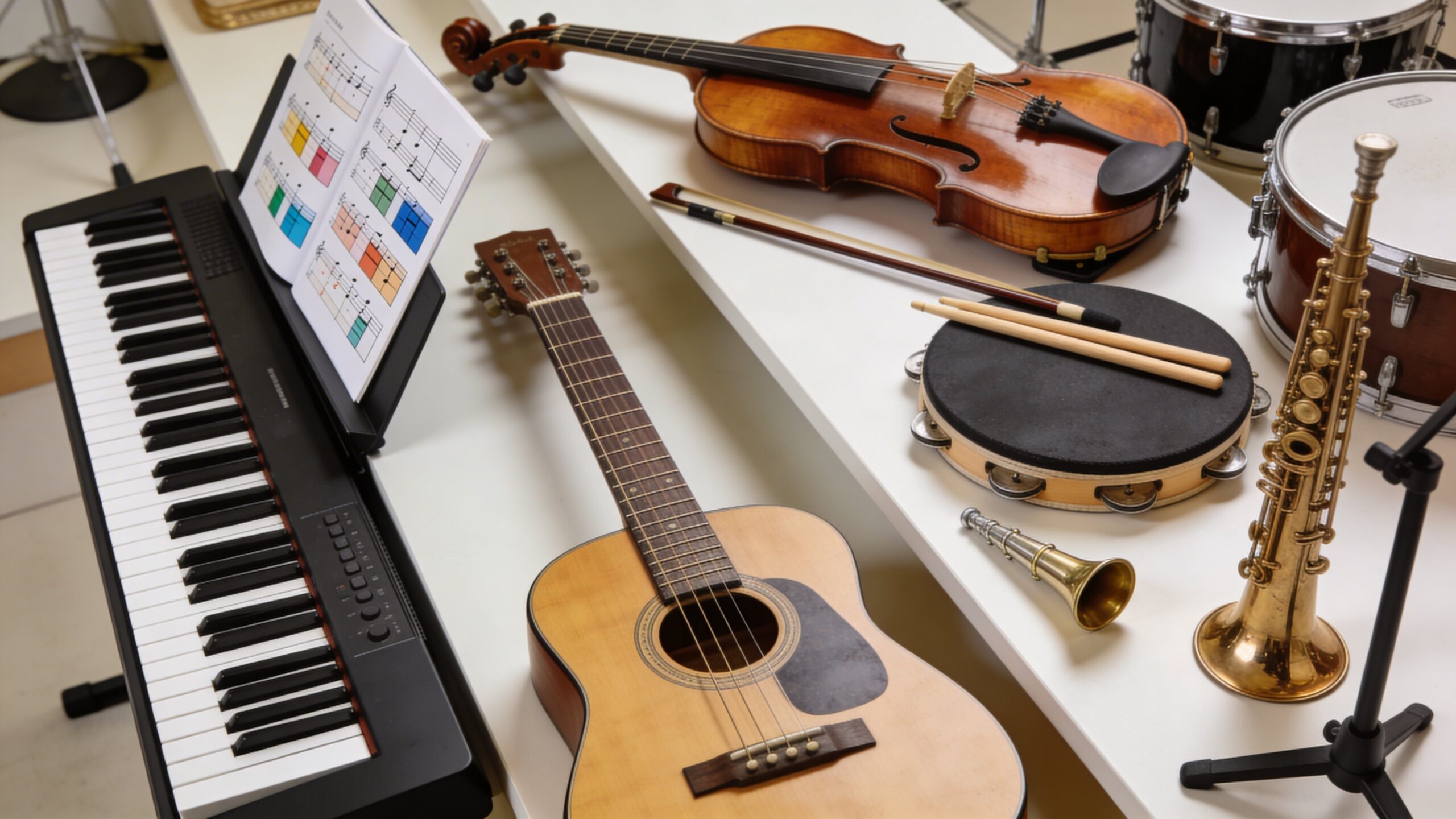
Practice routines and drills are where musical progress becomes visible, repeatable, and deeply rewarding. More than simple repetition, they turn scattered effort into focused growth by helping players build timing, control, tone, technique, and confidence one session at a time. For beginners, routines create structure and momentum, making early lessons feel less overwhelming and far more achievable. For experienced musicians, drills sharpen precision, strengthen weak spots, and keep essential skills performance-ready. Whether the goal is cleaner scales, stronger rhythm, smoother transitions, or better endurance, a smart routine gives every minute of practice a purpose. This page explores the world of practice routines and drills across musical instruments, from first-note fundamentals to advanced training strategies. It is designed for curious learners, dedicated students, teachers, and lifelong players who want to practice with greater intention. Inside, you will find ideas that connect technique to musicality, discipline to creativity, and repetition to real artistic progress. Great playing rarely comes from inspiration alone. It grows from focused habits, well-designed exercises, and the daily commitment to getting a little better every time you pick up your instrument.
A: Even 15 to 30 focused minutes can build strong habits when done consistently.
A: Usually yes; warmups and drills prepare the body and ear for better repertoire work.
A: Only after accuracy, relaxation, and consistency feel secure at the slower tempo.
A: Absolutely; scales remain one of the best tools for maintenance and refinement.
A: Change the goal, rhythm, articulation, tempo, or musical context to keep it engaging.
A: Daily consistency usually produces better results than occasional marathon sessions.
A: If tension, confusion, and constant errors dominate, step back and rebuild prerequisites first.
A: Yes; recordings reveal timing, tone, and phrasing issues more objectively.
A: The structure can, but the drills should match the physical demands of the instrument.
A: Clear goals, patient repetition, good feedback, and a routine you can actually sustain.