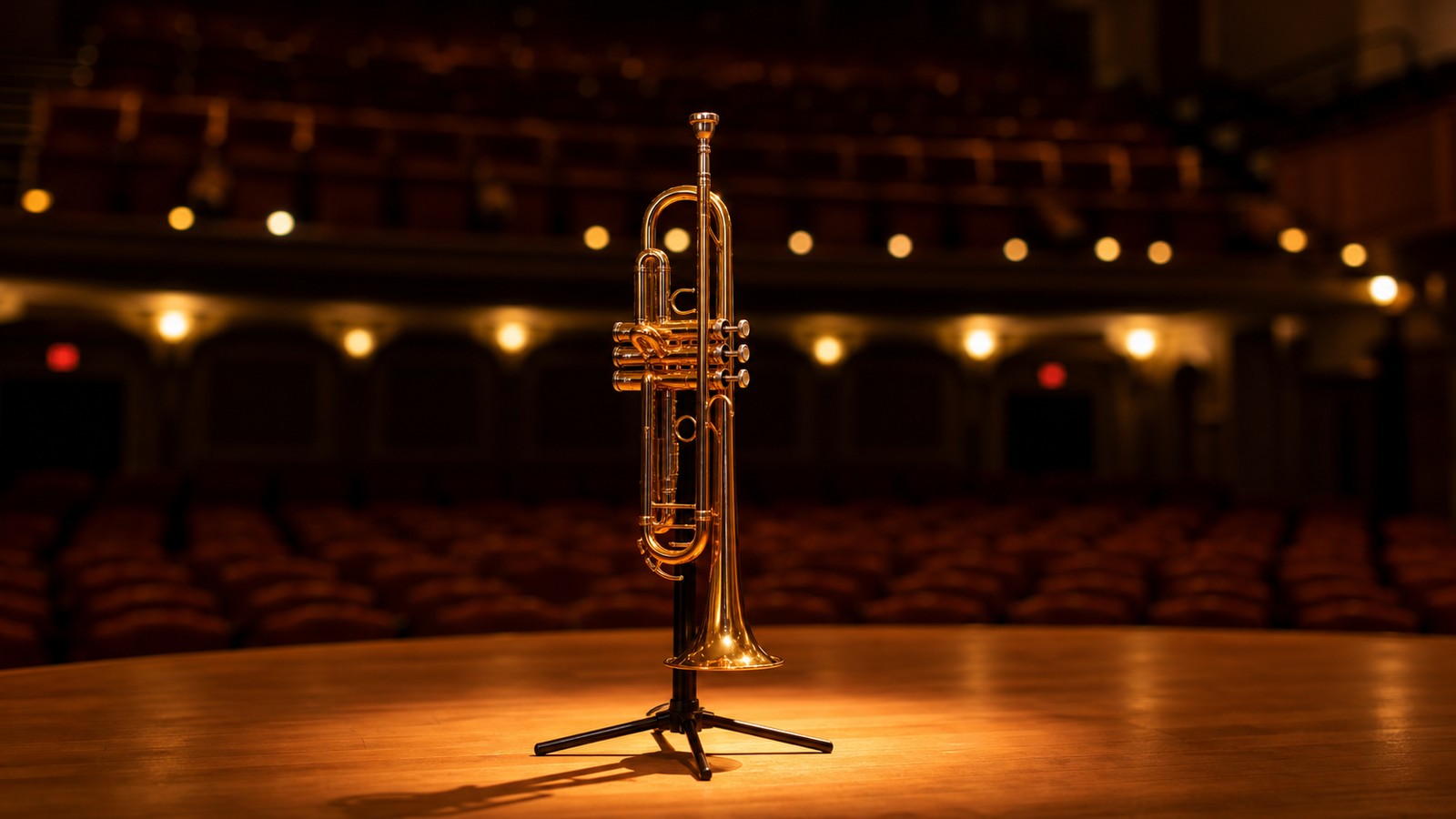
Selecting the right mouthpiece for your trumpet can be one of the most transformative decisions you make as a player. Whether you’re a budding beginner, a gigging professional, or an orchestral veteran, your mouthpiece shapes your tone, comfort, endurance, and even how you express yourself musically. With thousands of options on the market, from Bach to Monette to GR, the search can feel overwhelming. But the good news? Understanding how mouthpieces work—and how to match one to your needs—turns guesswork into precision.
In this guide, we’ll explore the art and science of trumpet mouthpieces, helping you find the perfect fit for your playing style, sound goals, and physical comfort.
A: A balanced medium piece (e.g., “3C/5C” style) offers comfort, tone, and flexibility.
A: It can help brightness/efficiency, but breath and technique matter more.
A: Too big: unfocused tone, fatigue. Too small: pinched sound, limited breadth.
A: Tone change is minimal; most differences are feel (smoothness) and tarnish resistance.
A: Avoid frequent swaps; give weeks to adapt before judging.
A: A versatile “home base” works; add a second piece for niche roles like lead or symphonic.
A: Yes for specific needs or pro demands; try standard options first to learn your preferences.
A: Warm water, mild soap, mouthpiece brush; avoid harsh chemicals on plating.
A: Different shanks; adapters exist but matching the instrument is best.
A: It’s the receiver distance to leadpipe venturi; adjusting can refine slotting/response.
1. Why the Mouthpiece Matters More Than You Think
Many trumpet players assume the trumpet itself determines the sound, but in truth, the mouthpiece is where your tone begins. It’s the first—and arguably most important—point of contact between you and your instrument. The right mouthpiece acts as a bridge between your air support and your horn’s resonant properties, helping you achieve your ideal sound and feel.
A mouthpiece affects four critical areas of playing:
-
Tone Quality: A deep cup produces a darker, warmer sound, while a shallow one creates a brighter, more piercing tone.
-
Range: Shallow cups and narrow rims favor high-note playing, while deeper cups support a fuller low register.
-
Endurance: A comfortable rim and efficient fit reduce fatigue during long sessions.
-
Flexibility and Control: The right backbore and throat design can enhance articulation, slotting, and response.
In short, your mouthpiece is your instrument’s voice box. Choosing the wrong one can lead to unnecessary frustration, while the right one can unleash your potential.
2. Anatomy of a Trumpet Mouthpiece
To make an informed decision, it’s crucial to understand the components that define how a mouthpiece feels and sounds. Let’s break down the key elements.
Rim
The rim is the outer edge that touches your lips. A wide, rounded rim offers comfort and support for endurance, while a narrow rim enhances flexibility and lip control. Rim contour also affects how easily you can move between notes and how secure the mouthpiece feels during performance.
Cup
The cup is the bowl-shaped interior beneath the rim, where your buzz forms. Cup depth and shape dramatically influence tone and range:
-
Deep cups (like Bach 1C) create rich, mellow tones—ideal for orchestral or jazz ballads.
-
Shallow cups (like Bach 10½E) deliver a brilliant, cutting tone—perfect for lead trumpet work.
Throat
The throat is the small passage connecting the cup to the backbore. A larger throat offers freer blowing and volume potential but requires more air. A smaller throat increases resistance, aiding control and endurance but may limit projection.
Backbore
The backbore is the tapered exit section leading into the trumpet’s leadpipe. A tight backbore increases resistance and focuses tone, while a larger one produces a broader, more open sound. Matching the backbore to your cup and horn ensures optimal airflow and tone consistency.
Understanding how these components interact is key to balancing comfort, tone, and performance.
3. Balancing Comfort and Sound
Comfort and sound often sit on opposite ends of the mouthpiece spectrum. A piece that feels easy to play may not deliver the tone you crave, and vice versa. The secret lies in balancing both.
If your primary goal is endurance—perhaps you play long gigs, marching shows, or high-energy jazz charts—opt for a mouthpiece with a slightly shallower cup and a comfortable rim. These designs reduce fatigue and improve stamina without overly sacrificing tone.
On the other hand, if you prioritize tone richness for classical or chamber playing, a deeper cup and a more rounded rim can deliver that lush, resonant sound. Be prepared to work a bit harder in the upper register, but the payoff in warmth is undeniable.
Many professionals own multiple mouthpieces to cover different situations—one for symphonic work, another for jazz or lead playing, and perhaps a third for practice or studio recording. That flexibility allows them to adapt their sound while maintaining physical ease.
4. The Myth of the “Perfect” Mouthpiece
Here’s a secret: there’s no such thing as a universally “perfect” mouthpiece. Every player’s lips, teeth alignment, lung capacity, and musical goals are unique. What works for one trumpeter may feel completely wrong for another.
Instead of chasing perfection, focus on finding the mouthpiece that complements your physiology and enhances your natural strengths. A good fit will make your playing feel effortless, allowing your tone to flow freely and your technique to shine.
Testing is essential. A mouthpiece that feels great for five minutes in a store might not hold up during a two-hour rehearsal. Give new mouthpieces a proper trial—play scales, etudes, and excerpts across your range to evaluate tone consistency, endurance, and comfort over time.
5. Matching Mouthpiece Size to Skill Level
Your playing experience greatly influences which mouthpiece suits you best. Beginners, intermediates, and professionals have different needs, and selecting accordingly can accelerate your progress.
Beginners
A medium-size mouthpiece, like a Bach 7C, is the classic starting point for a reason. It offers a balanced mix of comfort, tone, and flexibility. The 7C’s moderate rim and medium-deep cup help new players develop embouchure strength and a centered tone without unnecessary strain.
Intermediate Players
As you advance, you might find your current mouthpiece limiting your range or tone. This is when you can experiment. For example, players moving into jazz or pop might try a shallower cup (like a Bach 3E), while orchestral students may prefer a larger cup (like a Bach 5B or 3C) for a fuller sound.
Advanced and Professional Players
Experienced trumpeters often tailor their mouthpiece choices to specific performance contexts. A lead player in a big band might use a shallow, tight mouthpiece for brilliance and projection, while a classical soloist may prefer a deeper, freer-blowing piece to capture expressive dynamics.
In every case, your development—not marketing hype—should guide your choice.
6. The Influence of Genre and Playing Style
Your musical environment profoundly shapes your ideal mouthpiece. A jazz soloist’s needs differ dramatically from a symphonic principal’s, and recognizing that distinction ensures your equipment serves your art.
Classical and Orchestral Playing
For orchestral and symphonic players, a warm, round tone that blends with strings and woodwinds is key. Larger mouthpieces with deeper cups (such as Bach 1C, 1½C, or Schilke 15) are favorites. These designs enhance tonal richness and dynamic control, helping players maintain stability in soft passages and power in fortes.
Jazz and Commercial Music
In jazz, big band, or pop settings, brightness and projection often take center stage. Shallow cups (like Yamaha 11B4 or GR E Series) give the trumpet that signature sparkle and presence to cut through amplified instruments. Players often favor tighter backbores for a focused, sizzling lead tone.
Marching and Brass Band Playing
Marching band players need endurance and flexibility more than tonal depth. Medium to shallow cups with comfortable rims prevent fatigue and make high-note passages more manageable. Durability also matters—mouthpieces made of silver-plated or gold-plated brass resist outdoor conditions better.
Studio and Session Work
Recording artists require versatility. Many opt for hybrid designs—medium-depth cups that balance clarity and warmth across genres. Companies like Denis Wick and Monette produce excellent all-purpose mouthpieces that handle varied studio demands.
7. Material and Finish: Subtle but Significant
While the internal shape defines the core sound, the mouthpiece’s material and finish subtly influence comfort and resonance.
Brass
Most mouthpieces are made of brass, chosen for its resonance and malleability. It’s often plated with silver or gold for protection and comfort.
Silver Plating
Silver-plated mouthpieces are bright, lively, and affordable. They offer a clean response and a slightly crisp tone, making them a popular all-around choice.
Gold Plating
Gold plating feels smoother on the lips and resists tarnish better than silver. Some players claim it produces a warmer tone, though the effect is mostly tactile. It’s ideal for players with metal allergies or those seeking extra comfort.
Plastic or Acrylic
These are practical for cold outdoor performances, as they stay warm to the touch. While not as resonant as metal, they’re excellent backup or marching mouthpieces.
Ultimately, the finish should feel comfortable and inspire confidence—not distract from your playing.
8. Custom Mouthpieces: Tailoring Your Sound
For professionals seeking ultimate precision, custom mouthpieces offer unparalleled control. Companies like GR, Monette, and Warburton allow customization of rim contour, cup shape, and backbore design to suit your exact embouchure and tonal goals.
Custom work can correct imbalances—like a throat that feels too tight or a rim that pinches your lips. It also helps players recover from injuries or adapt to dental changes.
However, customization requires expert consultation and often a higher price tag. Before going custom, experiment with standard models to understand what you truly need to modify. A professional fitting session, often available at music conventions or specialist shops, can make a world of difference.
9. Common Mistakes to Avoid
Many players fall into traps when shopping for mouthpieces. Here’s how to avoid the most common pitfalls.
Changing Too Often
Constantly switching mouthpieces can disrupt embouchure stability and set back your progress. Give each piece time—weeks, not days—to adapt before judging results.
Chasing Range Over Tone
It’s tempting to pick the smallest, shallowest mouthpiece for easier high notes. But excessive shallowness can thin your tone and strain your lips. Balance brightness with body.
Ignoring Fit and Comfort
A mouthpiece that feels uncomfortable or cuts into your lips, no matter how “high-end,” will limit your playing. Comfort translates directly to endurance and control.
Following Trends Blindly
Just because your favorite player uses a Monette or GR doesn’t mean it’s right for you. Every musician’s physiology and goals differ. Use others’ setups as references, not blueprints.
10. Testing Mouthpieces the Right Way
When testing mouthpieces, approach it systematically. Start with a clear tone goal—do you want a darker symphonic sound or a bright jazz lead tone? Then, evaluate each option with consistent exercises: long tones, lip slurs, and excerpts across all registers.
Play familiar pieces so you can compare sound and feel accurately. Record yourself; our ears often perceive tone differently while playing versus listening back. Note changes in response, tone color, and comfort after extended practice sessions.
Above all, trust your instincts. The right mouthpiece will “disappear” as you play—it will feel natural, freeing you to focus on music, not mechanics.
11. Maintenance and Care
Even the best mouthpiece can degrade if neglected. Regular cleaning maintains hygiene and ensures consistent performance. Warm water, mild soap, and a mouthpiece brush are your best friends. Avoid harsh chemicals that can damage plating.
Polish your mouthpiece occasionally to remove tarnish, especially if it’s silver-plated. Store it in a protective case when not in use to prevent dents or scratches.
A clean, well-maintained mouthpiece not only looks professional but also preserves its internal geometry, keeping your tone stable over time.
12. The Evolution of Your Mouthpiece Journey
Your ideal mouthpiece today may not be the same in five years. As your technique matures and your musical focus shifts, your equipment should evolve too. Professional players often revisit their setups periodically, refining as their embouchure, air control, and stylistic preferences develop.
Don’t be afraid to adapt. Growth as a musician means continuous discovery, and that includes your tools. The key is to make changes consciously—guided by experience, not frustration.
13. Expert Recommendations and Popular Models
While personal fit trumps brand names, some mouthpieces have earned their legendary reputations for good reason.
-
Bach 7C: The standard beginner mouthpiece—balanced, comfortable, and versatile.
-
Bach 3C: A step up for intermediate and classical players, offering a fuller tone.
-
Schilke 14A4A: Beloved by lead trumpeters for its brilliant high register and efficiency.
-
Yamaha 14B4: A reliable all-rounder with excellent response.
-
Monette B2S3: A premium choice for professionals seeking maximum resonance and precise intonation.
These models serve as benchmarks, helping you understand how design differences affect your playing.
14. The Psychological Factor
Never underestimate the mental connection to your equipment. Confidence in your mouthpiece can elevate your performance. When you trust your setup, you play with less hesitation and more musical expression.
Many players describe the “aha” moment when the right mouthpiece simply feels right—notes slot effortlessly, tone rings true, and the instrument feels alive. That confidence becomes self-reinforcing, enhancing your performance both technically and emotionally.
15. Final Thoughts: The Harmony Between Player and Mouthpiece
Choosing the right trumpet mouthpiece is a journey of self-discovery. It’s about aligning your physical makeup, musical voice, and artistic goals. The best mouthpiece won’t transform you overnight—it will amplify who you already are as a musician.
Approach the process with patience, curiosity, and intention. Learn how each dimension—rim, cup, throat, and backbore—shapes your sound. Experiment methodically, listen critically, and above all, trust your body’s feedback.
Your perfect mouthpiece isn’t the most expensive one or the one endorsed by a celebrity player—it’s the one that allows your music to flow freely, effortlessly, and beautifully.
So, pick up your trumpet, breathe deep, and let your sound sing. The right mouthpiece isn’t just a tool—it’s the key to unlocking your unique musical voice.