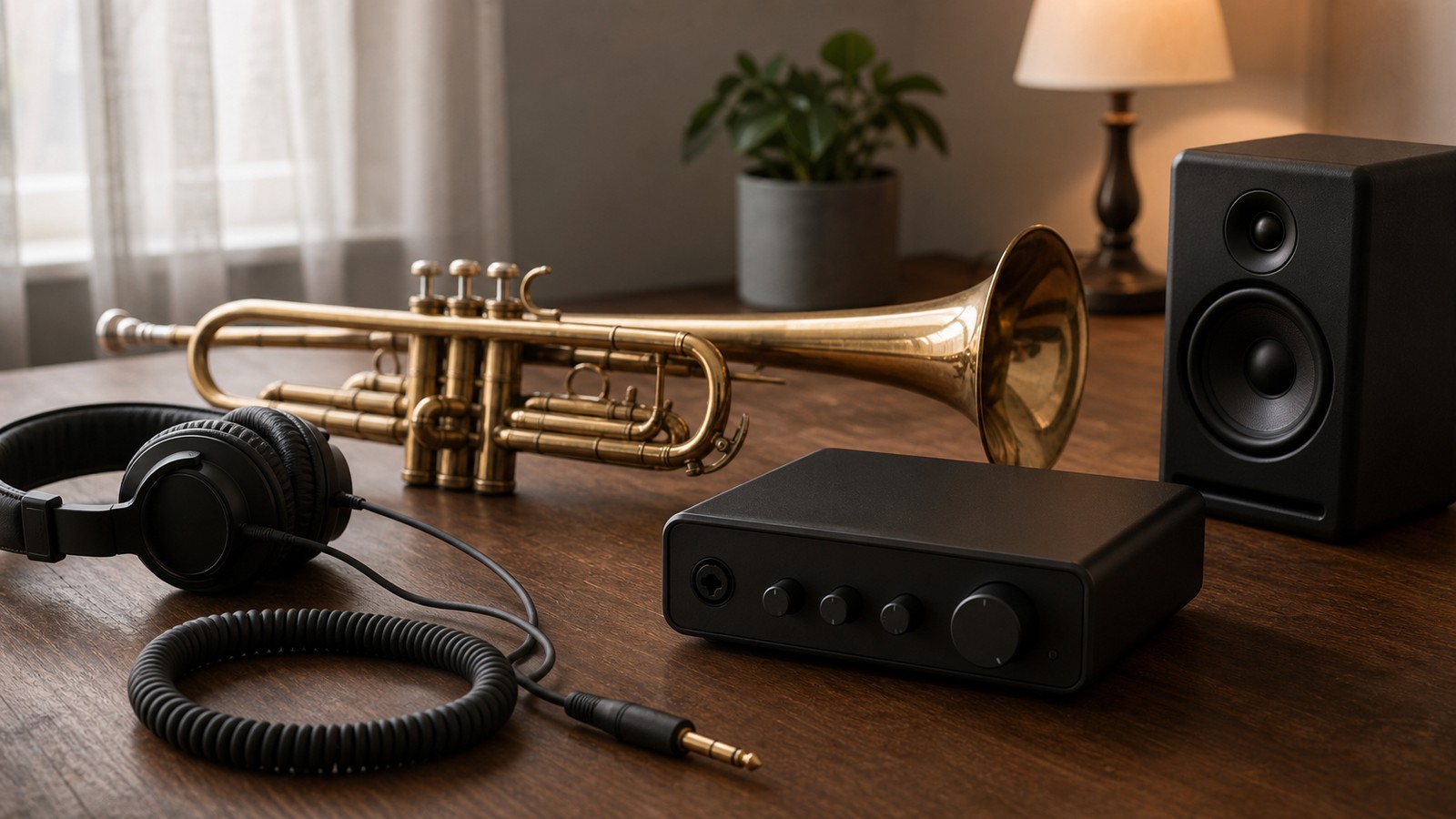
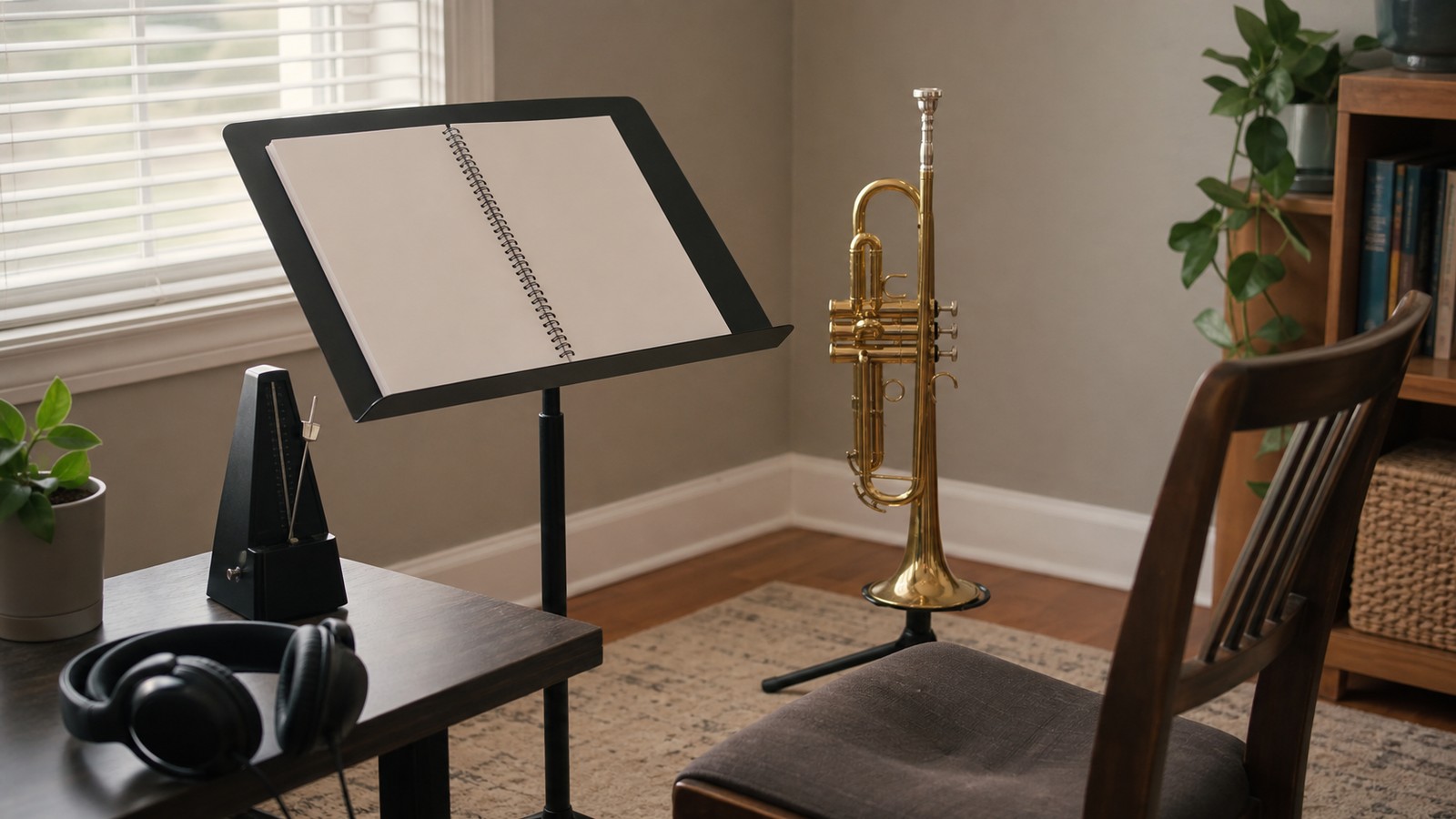
When the sound of swing filled the air in the 1930s and 1940s, it was the trumpet that lit up the dance floor. Crisp, commanding, and endlessly expressive, the trumpet became the voice of excitement in big band music—a sound that could slice through the rhythm section one moment and melt into velvet harmony the next. More than just a melody carrier, the trumpet embodied the heartbeat of jazz: bold, human, and alive. The big band trumpet wasn’t confined to one emotion. In one chart, it could roar with brassy brilliance; in the next, it could whisper with warmth and longing. It was both a leader and a team player, capable of dazzling solos and precise section work. The instrument’s versatility made it the crown jewel of the brass section, shaping the sonic identity of an era.
A: Lead sets phrasing, dynamics, and high-register style; section players lock harmony, time, and blend under the lead.
A: Start with straight, cup, and Harmon; add bucket and plunger for broader color choices.
A: Mix long tones, lip slurs, and interval drills; practice at realistic volumes with smart rest ratios.
A: Agree on note lengths, accent weights, and releases; rehearse with a metronome and record for uniformity.
A: Minimal in ensemble tuttis; tasteful, synchronized vibrato on sustained features and endings.
A: A moderate cup with efficient backbore—compromise for projection and warmth if you can’t switch pieces mid-set.
A: Shape attacks to match consonants of the section; avoid overly bright edge unless the chart calls for it.
A: Only when the venue requires it or for featured solos; good acoustic balance remains the priority.
A: Isolate rhythms, sing lines, then play at reduced tempo; coordinate with drummer for placement clarity.
A: Mark breaths, circle cues, pencil articulations that differ from the lead, and practice with recordings of the rhythm feel.
From New Orleans Streets to the Swing Stage
Before the trumpet found its place in the big band, it ruled the streets of New Orleans jazz. The early 20th century saw cornetists like Buddy Bolden and Louis Armstrong turn brass melody into pure emotion. Their improvisations laid the groundwork for swing—a genre built on rhythm, syncopation, and joyful freedom.
As jazz ensembles grew larger, the cornet gave way to the trumpet for its brighter projection and sharper attack. This new sound could cut through large ensembles without microphones, ensuring that the trumpet remained the focal point in the evolving landscape of jazz. When the big band era exploded, the trumpet was already the natural leader—its voice both familiar and thrillingly new.
The Anatomy of a Big Band Section
A classic big band lineup typically includes four or five trumpets, four trombones, five saxophones, and a rhythm section of piano, bass, guitar, and drums. Within this brass hierarchy, the trumpet section reigns supreme, serving as the melodic and emotional centerpiece.
The lead trumpet sets the tone. Sitting at the top of the harmonic stack, the lead player defines phrasing, articulation, and intensity for the entire brass section. Their ability to soar above the ensemble gives the music its shimmer and lift. Beneath the lead, second, third, and fourth trumpets add harmonic weight, rhythm punches, and textural color—creating that unmistakable wall of brass power.
The coordination required is extraordinary. Each attack, swell, and fade must align perfectly across the section. The result is sonic unity—a golden brass wave that can electrify a room with a single accent.
The Art of Blending Power and Precision
Big band trumpet playing demands a delicate balance: raw energy tempered by control. The horn must cut through the ensemble without overpowering it. The greatest sections mastered this equilibrium through tight tuning, matched articulation, and collective phrasing.
Precision is everything. In swing music, accents are sharp but buoyant, with every staccato burst dancing just behind the beat. Vibrato, meanwhile, adds shimmer to sustained notes—especially in slower ballads or lyrical themes. The trumpet’s piercing clarity allows it to serve as both rhythmic propulsion and emotional commentary.
Listening to a top-tier trumpet section, you hear not four individuals, but one instrument with multiple voices—breathing, swaying, and swinging in perfect synchrony.
The Trumpet Solo: Spotlight of Emotion
Few musical moments rival the thrill of a big band trumpet solo. Whether it’s Harry James’ romantic lyricism, Dizzy Gillespie’s harmonic daring, or Maynard Ferguson’s stratospheric high notes, the trumpet solo transforms the ensemble from collective precision to personal expression.
In the big band context, a solo isn’t just improvisation—it’s storytelling. The player weaves phrases that reflect both the chart’s emotion and their own personality. Sometimes, it’s a triumphant outburst over a roaring brass background. Other times, it’s a tender reflection nestled within a soft sax pad.
The power of the trumpet lies in its ability to communicate directly. Every growl, flutter, or lip bend carries the human voice’s intensity, making the instrument not just heard—but felt.
Trumpet Heroes of the Big Band Era
The big band age was defined by its legends, and many of them held trumpets. Louis Armstrong, though rooted in smaller ensembles, shaped the phrasing and swing feel that every big band player studied. Harry James blended technical mastery with showmanship, becoming a household name. Dizzy Gillespie injected bebop’s complexity into the large ensemble format, proving the trumpet could innovate endlessly.
Then came Maynard Ferguson, whose jaw-dropping range redefined what was possible on the instrument. His lead playing turned charts into fireworks displays, thrilling audiences around the world. Players like Cat Anderson in Duke Ellington’s orchestra added high-register sparkle that became a signature sound of swing sophistication.
Each of these musicians contributed to the trumpet’s mythology—heroes who pushed boundaries and inspired generations of players to take the stage with confidence and flair.
The Trumpet’s Relationship with the Rhythm Section
In a big band, the trumpet’s success depends on its dance with the rhythm section. The drums provide the heartbeat, the bass walks the foundation, and the piano or guitar fills the harmonic space. Together, they create a groove the trumpet can ride, challenge, or accentuate.
When the lead trumpet and drummer lock in on accents, the music gains unstoppable momentum. Syncopated brass hits against a swinging hi-hat pattern define the essence of swing rhythm. The trumpet thrives on this tension and release—pushing phrases slightly ahead or behind the beat for expressive nuance.
It’s a symbiotic relationship: the trumpet gives the rhythm section melody and drama, while the rhythm section gives the trumpet pulse and direction. This partnership keeps big band music eternally fresh, no matter the decade.
Arrangements That Let Trumpets Shine
Big band arrangers know how to make trumpets glow. Duke Ellington’s orchestrations often featured shimmering brass passages that danced above lush harmonies. Count Basie’s charts favored rhythmic simplicity, giving trumpet hits maximum impact. Fletcher Henderson, one of the earliest architects of swing, built his arrangements around trumpet fanfares and call-and-response figures.
Arrangers use techniques like muted passages, open brass contrasts, and staggered entries to highlight the trumpet’s versatility. Cup mutes, Harmon mutes, and plunger effects transform the instrument’s voice—from soft whispers to growling cries. In some charts, muted trumpets create intimate moods; in others, they deliver comedic or conversational effects.
The variety of tonal colors makes the trumpet indispensable to the arranger’s palette. It can shout, sing, or sigh—and always command attention.
The High Note Battle: A Test of Endurance
Within the trumpet section, there’s an unspoken hierarchy—anchored by the lead player’s endurance and power. Sustaining high notes for extended periods is one of the toughest physical feats in music. It requires embouchure strength, air control, and mental focus.
In the golden age of swing, lead trumpeters became almost mythical figures. Audiences waited for the climactic moment when the brass would rise in a blaze of sound, the lead horn screaming high above the band. That single moment—pure adrenaline and artistry—often defined the entire performance.
Modern players still revere this challenge, though today’s approach balances virtuosity with musicality. The goal isn’t just to play high—it’s to play beautifully, consistently, and with emotional intent.
Trumpets in Modern Big Bands
While the heyday of swing has passed, the big band tradition remains alive and evolving. Contemporary ensembles like the Jazz at Lincoln Center Orchestra, the Maria Schneider Orchestra, and Gordon Goodwin’s Big Phat Band continue to push boundaries.
Modern trumpet sections tackle complex harmonies, odd meters, and fusion influences while maintaining the classic big band energy. Digital recording has also opened new creative frontiers—allowing layered brass textures and dynamic mixing that amplify the trumpet’s impact.
Players today blend jazz heritage with modern sensibility. They study Armstrong, Basie, and Ferguson while incorporating influences from funk, Latin jazz, and even electronic music. The result is a vibrant new generation of trumpet artistry that keeps the big band sound thrillingly relevant.
The Emotional Range of Brass
One of the trumpet’s greatest gifts is emotional range. In one measure, it can convey confidence and grandeur; in the next, vulnerability and nostalgia. Ballads reveal its singing quality—warm and soulful, echoing the human voice. Swing numbers unleash its rhythmic brilliance and playful personality.
This emotional flexibility explains why the trumpet became the lead voice of the big band. Its resonance mirrors human expression more closely than any other brass instrument. From joyous climaxes to wistful closes, the trumpet embodies the heart of jazz storytelling.
Women and Diversity in the Section
Though early big bands were male-dominated, women have made extraordinary contributions to trumpet performance in recent decades. Artists like Ingrid Jensen, Bria Skonberg, and Cindy Bradley have expanded both technique and artistry, showing that the trumpet’s power transcends gender.
Big bands today also reflect a wider range of cultural influences. Latin, Afro-Cuban, and global jazz traditions have brought new rhythms, phrasing, and harmonic ideas to trumpet playing. This diversity has revitalized the art form, transforming the once rigid “swing machine” into a living, evolving organism of sound.
The Big Band Trumpet Legacy
The legacy of the big band trumpet extends far beyond the jazz stage. Its influence echoes in film scores, pop horn sections, and even symphonic jazz compositions. Every time a trumpet fanfare announces victory, celebration, or arrival, it carries the DNA of big band brilliance.
Musicians worldwide study the phrasing and articulation pioneered by swing-era greats. The idea of “section unity”—matching tone and rhythm across multiple trumpeters—remains a standard of excellence in all ensemble brass playing.
From Carnegie Hall to college band rooms, the lessons of the big band trumpet live on: precision, teamwork, and fearless expression.
The Continuing Appeal of Brass Energy
Why does the big band trumpet still captivate audiences nearly a century later? Because its sound embodies vitality. The trumpet is movement, tension, and release all at once. It evokes dancing feet, snapping fingers, and the thrill of musical momentum.
In live performance, few experiences compare to the physical sensation of a brass section unleashing full force. You don’t just hear it—you feel it in your chest. That visceral power, combined with swing’s timeless groove, ensures that big band music never loses its magic.
The Trumpet as Storyteller
At its core, the trumpet tells human stories. Whether it’s muted melancholy in a smoky ballroom or triumphant fanfare in a packed concert hall, the trumpet communicates directly to emotion. Its voice can smile, cry, laugh, and shout—all within a single phrase.
In big band music, that voice becomes amplified—magnified by harmony and rhythm until it resonates with everyone listening. It’s a reminder that jazz isn’t just notes on a page; it’s feeling, experience, and shared connection.
Through every solo, section hit, and unison blast, the trumpet narrates the soul of big band: confident, passionate, and timeless.