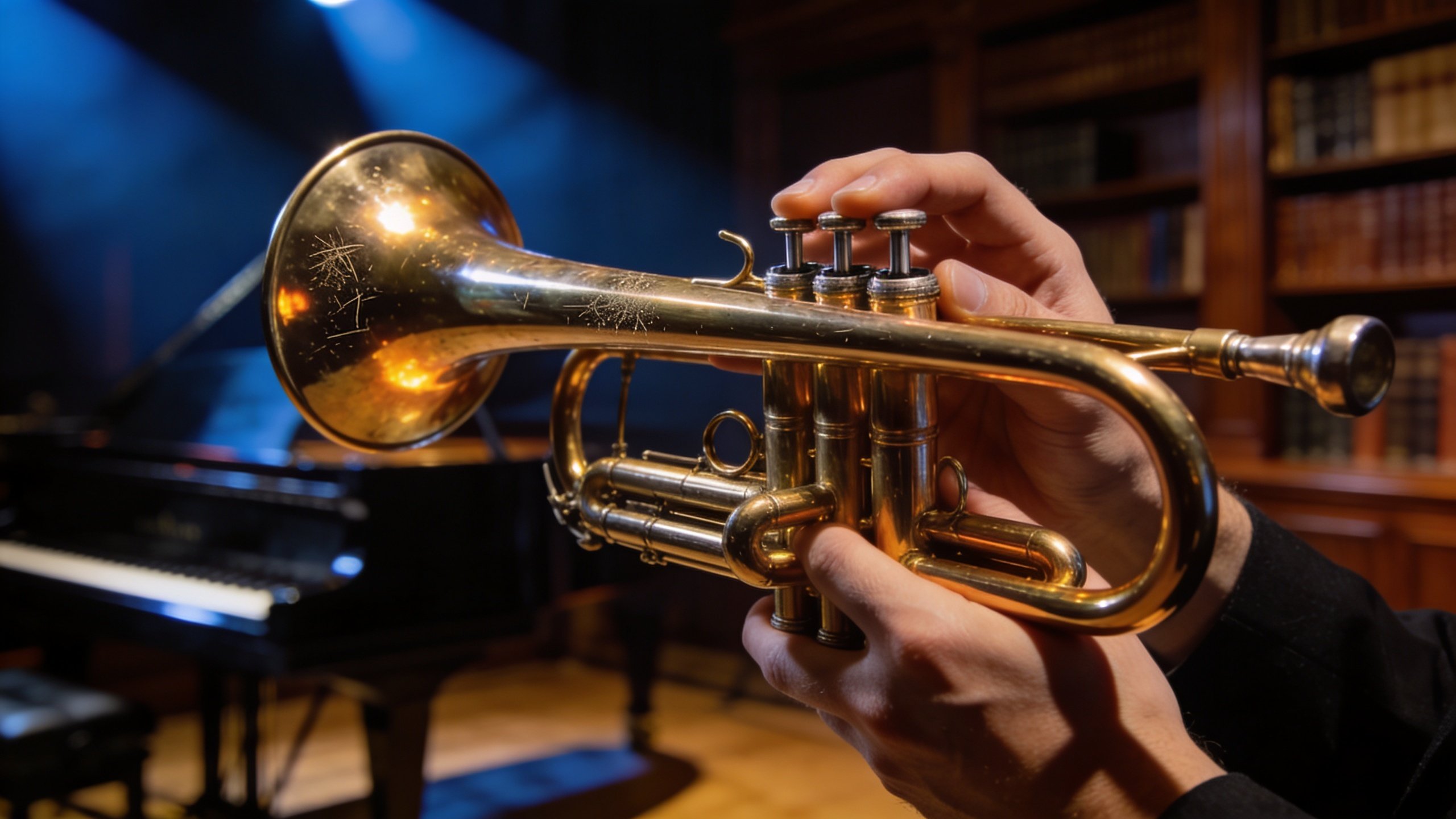
Trumpet Parts Change With the Ensemble
Trumpet can feel like the same instrument in every rehearsal room, but its job changes sharply between orchestral and band settings. In orchestra, the trumpet often adds brilliance, punctuation, color, ceremonial power, or structural emphasis inside a texture led by strings and winds. In concert band, the trumpet section usually carries more frequent melodic, rhythmic, and harmonic responsibility. Understanding the difference helps players prepare better parts, blend more intelligently, and avoid bringing the wrong volume, articulation, or attitude into the wrong ensemble.
A: Neither is automatically harder; orchestra often tests exposed precision, while band often tests stamina and section consistency.
A: Many orchestral parts use trumpet for color, structure, and climaxes rather than continuous texture.
A: Often yes, especially in school and concert band literature where the section carries frequent melody and rhythm.
A: Play with enough presence to support the section, but let balance and musical role decide the volume.
A: Mark cues, rests, mute changes, entrances, dynamic changes, and any conductor-specific instructions.
A: For most students, a good B-flat trumpet is suitable for both band and many youth orchestra situations.
A: Listen across the ensemble, pace repeated passages, and keep the section sound organized rather than oversized.
A: The trumpet may be silent for many measures, so a single entrance can be highly exposed.
A: Not at first; reliable fundamentals and balanced playing matter more than changing equipment early.
A: Flexible listening helps most because the player must know when to lead, blend, support, or color.
The Job Changes Before the First Note
A trumpet player should look at the ensemble before judging the part. Orchestra and band have different default balances, traditions, conductor expectations, and sound worlds. The notes on the page may look similar, but the musical purpose behind those notes can be very different.
In orchestra, trumpet lines often appear at important structural moments. The part may be silent for long stretches, then enter with a fanfare, climax, rhythmic edge, or color that has to sound instantly settled. Preparation includes counting carefully and understanding what has been happening while the trumpet was resting.
In band, trumpet players are usually involved more continuously. They may play melodies, counterlines, background figures, chorales, rhythmic punches, and exposed sectional writing within the same piece. The role asks for steady attention across the whole chart rather than waiting for a few dramatic arrivals.
Orchestral Trumpet Often Serves Color and Structure
The orchestral trumpet can be brilliant, noble, distant, martial, lyrical, or sharply rhythmic, but it usually has to fit into a larger blend where strings create much of the sustained core. A good orchestral entrance feels intentional without overwhelming the texture. Players must know when the trumpet is meant to crown the sound, when it should tuck inside the brass, and when it is simply adding a line of color that should not dominate.
Band Trumpet Carries More Continuous Weight
Concert band writing gives trumpets a more constant presence because there are no strings to carry the same kind of broad orchestral fabric. The trumpet section often supplies brightness, definition, rhythmic drive, and upper-register energy. In marches, overtures, transcriptions, and newer wind literature, the section may be one of the most active voices in the room.
That constant presence creates responsibility. A player who overplays every figure can tire quickly and make the ensemble sound harsh, while a player who hides too much can leave the band without clarity. The challenge is to contribute enough edge and shape without turning every passage into a solo.
Balance Works Differently
Orchestral balance often depends on knowing which family owns the musical line. If strings have the melody and trumpet has a harmonic accent, the trumpet should reinforce rather than seize attention. If the brass choir has the main statement, the player can use a fuller sound but still listen for horn, trombone, timpani, and woodwind color around the line.
Band balance asks trumpet players to think sectionally as well as individually. First, second, and third parts may combine into a chord, trade motifs, or support saxophones and clarinets. The strongest player is not always the one who sounds biggest; often it is the one who makes the section sound organized.
Rooms change the answer. A bright auditorium may punish a sharp trumpet sound, while a carpeted rehearsal space may hide articulation. Players who move between orchestra and band should listen to the actual room instead of relying on one habitual volume setting.
Articulation and Style Are Not Identical
Orchestral articulation is often shaped by period, composer, conductor preference, and the surrounding texture. Band articulation can be more consistently marked, section-based, and rhythmically assertive, especially in marches and modern wind writing. In both settings, the printed mark is only the start; players still need to match length, weight, front, decay, and character.
Range and Endurance Feel Different
An orchestral part may include fewer notes but demand enormous focus on a handful of exposed entrances. The player has to stay physically ready through rests, manage nerves, and produce a centered sound immediately. Missing one entrance can feel more obvious because the trumpet may have been silent for so long.
Band parts can create endurance challenges through repetition and steady activity. A player may have pages of medium-high writing, repeated articulations, and quick dynamic changes. Efficient breathing, pacing, and relaxed technique become essential because the part may not offer long recovery windows.
Reading the Part in Context
A trumpet part makes more sense when the player marks cues. In orchestra, cues can show a theme in the strings, a timpani figure, or a horn entrance that sets up the trumpet. In band, cues can reveal which woodwind or low brass line the trumpet is reinforcing.
Counting rests is part of musicianship, not an interruption from playing. Orchestral trumpet players may count many measures before a single entrance, while band players may track repeated phrases and rehearsal-letter changes in faster-moving textures. Accurate counting protects the ensemble from late or early arrivals.
Listening outside rehearsal helps. Recordings show where the trumpet sits in the whole piece, which cannot always be understood from the part alone. A student who studies the score or a reliable recording will usually rehearse with more confidence.
Equipment Choices Usually Stay Practical
Professional orchestral players may choose different trumpets, mouthpieces, or mutes for style and repertoire, but most students should begin with reliable basic equipment. A well-maintained B-flat trumpet can handle most school band work and many youth orchestra situations. The bigger difference for developing players is usually listening, balance, and preparation rather than buying specialized gear too early.
What Students Should Practice
Students who play in both settings should practice contrast. Work on strong but controlled attacks, soft entrances after rests, clean section rhythm, and phrasing that can either lead or blend. The goal is to become flexible enough to change role quickly.
It also helps to rehearse excerpts at realistic dynamics. Playing every passage loudly in the practice room can build habits that do not fit either ensemble. A player should practice the same line as a solo, as a section voice, and as a background color so the musical purpose stays clear.
How to Listen Like an Ensemble Player
In orchestra, listen down and sideways before playing out. The trumpet should understand the bass foundation, inner brass color, and string texture before choosing how much brilliance to add. This keeps heroic writing from becoming blunt.
In band, listen across the section and into the woodwinds. Trumpets often share rhythms or harmonic roles with instruments that are not sitting nearby. If the section listens only to itself, the band can sound separated into blocks instead of one ensemble.
The best players adapt without losing identity. They keep a clear trumpet sound, but they change weight, release, color, and projection to fit the group. That flexibility is what makes the same instrument useful in two very different musical settings.
Moving Between Rehearsals Without Carryover Habits
The hardest part of playing both orchestra and band is often the habit that follows the player from one room to the next. A band rehearsal may encourage steady projection and frequent section leadership, while an orchestra rehearsal may demand patience, restraint, and sudden precision after silence. Before the first note, take a moment to reset the musical job. Look at the seating, listen to the ensemble sonority, and decide whether the trumpet is leading, coloring, reinforcing, or waiting.
How Conductors Use Trumpet Differently
Orchestral conductors may ask for trumpet sound in terms of character, distance, blend, or historical style. They might want less edge under strings, more nobility in a ceremonial entrance, or a cleaner release with timpani. The comments can be subtle because the trumpet often enters at carefully chosen points.
Band conductors may talk more often about section balance, pitch inside chords, matching articulations, and keeping repeated figures from getting heavy. Because trumpets are active so much of the time, small inconsistencies can shape the entire band's energy. A player who listens to those comments learns how the conductor hears the trumpet's role in the full ensemble.
Part Assignment Within the Trumpet Section
First trumpet parts are not automatically more musical than lower parts. In orchestra, the principal part may carry exposed entrances and leadership responsibilities, while lower parts can complete harmony, reinforce color, or support a brass texture that only works when every voice is centered. A missed inner part can weaken the whole chord even if the audience notices the top line first.
In band, lower trumpet parts are especially important because they often control blend, tuning, and section thickness. A confident second or third player can make a younger first player sound better by giving the chord a stable base. Treating lower parts as leftovers is one of the fastest ways to make a section sound thin.
Students should rotate listening attention across all parts during practice and rehearsal. Ask who has the melody, who has the rhythm, who defines the chord, and who needs space. Those questions turn section playing into musicianship instead of simply assigning importance by printed part number.
The Useful Middle Ground
The best ensemble trumpet habits overlap. Orchestra teaches restraint, exact entrances, and respect for color; band teaches stamina, section unity, and rhythmic responsibility. A player who learns from both becomes more adaptable than someone who treats one setting as normal and the other as unusual. The instrument stays the same, but the musical responsibility keeps changing.
A Practice Week That Covers Both
A balanced practice week can prepare the same player for both ensembles. Spend one day on soft entrances after long counts, another on repeated band-style articulation, another on lyrical phrasing, and another on section tuning with a drone or keyboard. Add short recording checks so the player hears whether the sound is too pointed, too covered, too late, or too heavy. This kind of rotation builds flexibility without turning practice into random exercise collecting.
The most useful habit is naming the purpose of each passage before playing it. A phrase may need to announce, support, answer, blend, sparkle, or stay out of the way. Once the role is named, decisions about volume, attack, decay, color, and pacing become easier. That is the bridge between orchestral and band playing: the trumpet is not just making a sound, it is choosing the right kind of presence for the ensemble in front of it.
Using Recordings Without Copying Blindly
Recordings are guides, not permission slips. They show balance, style, tempo, and character, but the live ensemble may need different choices.
A school band arrangement might be simplified, transposed, or voiced differently from the recording a student finds online. An orchestra part may sit in another acoustic entirely.
Listen for purpose more than imitation. The useful lesson is why the trumpet sounds present, restrained, bright, distant, blended, or commanding at a given moment. Then the player can translate that purpose into the actual room, conductor, and ensemble. That translation is the real skill in rehearsal and performance settings everywhere.