
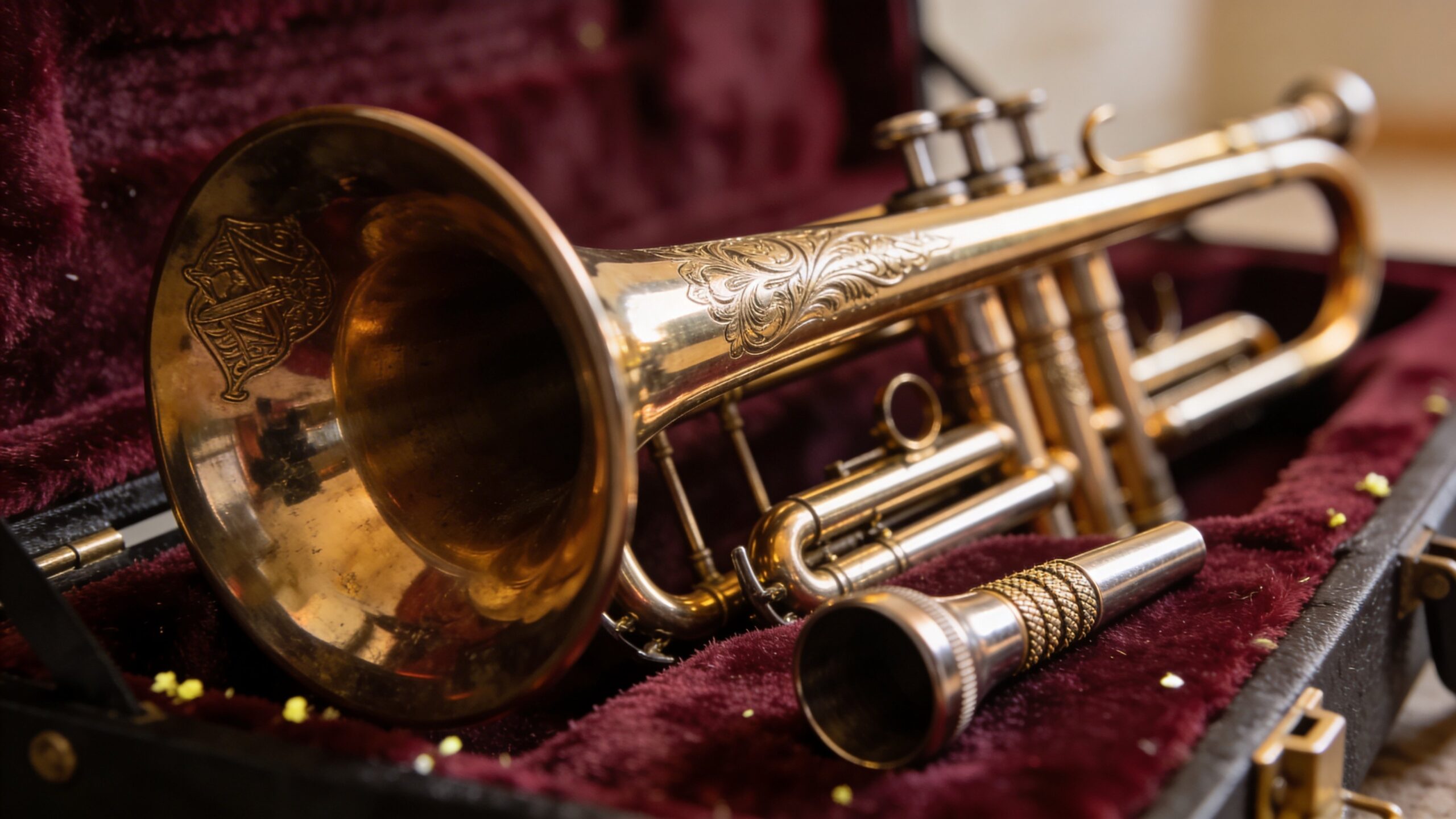
Why a Stuck Trumpet Mouthpiece Is a Bigger Problem Than It Looks
A stuck trumpet mouthpiece can seem like a small nuisance at first. It may happen after rehearsal, after a performance, or while packing the instrument away in a hurry. Many players discover it only when they try to remove the mouthpiece for cleaning and realize it will not budge. The temptation is immediate and understandable: twist harder, pull harder, and solve it in a few seconds. Unfortunately, that instinct often makes the problem worse. A trumpet mouthpiece is designed to fit snugly into the receiver, and once it is wedged too tightly, forcing it can damage both the mouthpiece and the trumpet itself. This is why a stuck mouthpiece deserves a calm and careful approach. Trumpets are precision instruments, and the receiver area is especially vulnerable to distortion. Once that part of the instrument is bent or stretched, the fit of future mouthpieces can be affected, and the horn may require a more serious repair. In other words, the wrong removal method can turn a simple problem into an expensive one. Learning how to remove a trumpet mouthpiece safely is not just useful maintenance knowledge. It is part of protecting your instrument, preserving its response, and avoiding unnecessary repair costs.
A: You can try only very gentle straight pressure, but if it does not move easily, stop and use a mouthpiece puller.
A: No. Twisting can deform the receiver and make the problem worse.
A: No. They can scratch the mouthpiece and damage the trumpet’s receiver.
A: A properly used mouthpiece puller applies even pressure and removes the mouthpiece straight out.
A: Yes, especially if the trumpet was dropped, the receiver looks bent, or the mouthpiece is severely jammed.
A: Common causes include pushing it in too hard, impact, grime buildup, or long storage without cleaning.
A: It can signal a tight or distorted fit, but most serious damage happens when players force it out the wrong way.
A: Yes. Cleaning the mouthpiece shank and receiver helps prevent the issue from returning.
A: Very common. It happens often in beginner and school band settings.
A: Insert the mouthpiece gently, clean regularly, avoid impacts, and never leave the instrument stored carelessly.
How Trumpet Mouthpieces Get Stuck in the First Place
Most stuck mouthpieces happen because of pressure, impact, or buildup over time. A player may press the mouthpiece in too firmly without realizing it. This is common when assembling the instrument quickly before band, orchestra, jazz rehearsal, or a lesson. Some players give the mouthpiece a confident push to make sure it feels secure, but the trumpet receiver is already designed to hold it properly with only a gentle insertion. Extra force is usually unnecessary. Another common cause is accidental impact. If the trumpet falls, gets bumped, or is set down carelessly with the mouthpiece in place, the shank can jam deeper into the receiver. Even a small knock can make removal much more difficult than expected. Temperature changes and grime can also contribute. Moisture, old residue, and dried deposits from regular playing can create a tighter fit over time, especially if the trumpet is not cleaned routinely. What feels like a sudden problem is often the result of days, weeks, or months of small factors adding up.
Why You Should Never Use Brute Force
The worst thing you can do with a stuck trumpet mouthpiece is treat it like a household object that just needs more muscle. Pliers, wrenches, twisting with a towel, or pulling the mouthpiece side to side can easily deform the receiver. Once that round opening loses its exact shape, the trumpet may no longer accept mouthpieces correctly. The fit can become loose, uneven, or permanently compromised.
Twisting is particularly risky because it applies sideways stress where the trumpet is not meant to take it. Grabbing the mouthpiece with tools can also scar the finish, scratch the metal, or leave toothlike marks that affect both appearance and resale value. Even if brute force appears to work, it may leave hidden damage behind. Many repair technicians see horns where the mouthpiece finally came out, but the receiver was left bent, expanded, or cracked. What could have been fixed in a minute with the right tool becomes a repair bench issue. Safe removal is always about controlled pressure, not aggressive force.
The First Step: Stay Calm and Inspect the Instrument
Before doing anything, take a moment to inspect the trumpet. Look closely at the mouthpiece and receiver. Ask yourself whether the trumpet may have been dropped recently, hit against a stand, or knocked in a case. If the receiver looks dented, misaligned, or visibly stressed, that is a sign to stop and avoid experimenting. Damage near the receiver changes the risk level considerably, and in that situation a repair professional is the safest option. If everything looks normal and the mouthpiece simply will not come out, hold the trumpet carefully by stable sections rather than grabbing delicate slides. Do not pull on the leadpipe and do not brace the instrument in awkward ways against your body or a table. The goal is to keep the trumpet supported while you assess the situation. Often, the smartest action is not trying another improvised method at all. It is recognizing that a proper mouthpiece puller is the correct solution from the start.
The Safest Tool for the Job: A Mouthpiece Puller
A mouthpiece puller is the standard and safest tool for removing a stuck trumpet mouthpiece. This simple device is specifically designed to apply even, controlled pressure around the mouthpiece and receiver without crushing, twisting, or scraping the instrument. It pulls the mouthpiece straight out rather than sideways, which is exactly what makes it so effective and safe.
Music stores, repair shops, schools, and band directors often keep a mouthpiece puller on hand because stuck mouthpieces are so common. In many cases, a technician can remove one in moments. If you are a player, teacher, or parent dealing with brass instruments regularly, owning or having access to one is a practical decision. It turns a stressful problem into routine maintenance. Most importantly, it protects the trumpet from the kinds of damage caused by improvised removal attempts.
How to Remove a Stuck Trumpet Mouthpiece Safely
Start by placing the trumpet on a stable surface or holding it securely so the receiver area is easy to access. Take the mouthpiece puller and position it according to its design, making sure the contact points sit correctly around the mouthpiece and receiver. The tool should feel aligned and balanced before you begin tightening or turning anything. If it looks crooked, stop and reset it.
Once the puller is in place, apply pressure gradually. The idea is not to crank as hard as possible. It is to let the tool do the work through steady, even force. Many mouthpieces release with a soft pop after only a controlled amount of tension. When it comes free, remove it gently and inspect both the shank and receiver for residue, scratches, or signs of impact. Afterward, wipe the area clean and avoid immediately reinserting the mouthpiece until you have checked that everything is dry and unobstructed. This method is straightforward, professional, and far safer than any twisting or yanking approach.
What Not to Do When a Trumpet Mouthpiece Is Stuck
There are several common mistakes that can make the situation worse very quickly. One is using pliers or any gripping tool directly on the mouthpiece. Even with cloth wrapped around it, the pressure can be uneven and destructive. Another is bracing the trumpet against a chair, floor, or body part and trying to yank the mouthpiece free. That kind of leverage often shifts stress into the leadpipe, receiver, or solder joints. Some players also try heating or cooling the metal in dramatic ways, hoping the size difference will loosen the fit. In the hands of an experienced technician, temperature changes may be part of a careful process, but at home they often introduce new risks. Rapid temperature shifts can affect finishes, encourage condensation, and lead to more handling mistakes. Another bad habit is repeatedly twisting the mouthpiece a little each day, hoping it will eventually surrender. That repeated strain can gradually distort the receiver without actually solving the problem. If the mouthpiece is properly stuck, improvisation is rarely the answer.
When to Go Straight to a Repair Technician
Sometimes the smartest do-it-yourself choice is knowing when not to do it yourself. If the trumpet has been dropped, if the receiver looks bent, if the mouthpiece is visibly jammed in at an odd angle, or if prior attempts have already involved force, take the instrument to a qualified repair technician. The same applies if the mouthpiece puller does not seem to seat correctly or if the mouthpiece refuses to move under normal controlled pressure.
Repair technicians deal with stuck mouthpieces regularly, and they can also check for related damage that a player might miss. A tight receiver fit, a compressed opening, or subtle damage around the leadpipe may all contribute to the problem. Having the instrument professionally evaluated can prevent repeat issues and protect the horn’s playability. For students especially, going to a repair shop is often the best route because school instruments and beginning players frequently face this exact problem.
Cleaning After Removal Matters More Than Players Think
Once the mouthpiece is removed, do not treat the job as finished. A stuck mouthpiece is often a sign that the trumpet and mouthpiece need cleaning. Residue from moisture, oils, old lubricant, and general use can build up gradually in ways that affect fit. Cleaning the mouthpiece shank with a soft cloth and appropriate brass-safe care products helps remove deposits that may have contributed to the sticking.
The receiver should also be checked carefully. A gentle wipe and proper cleaning can help ensure the next insertion is smooth and normal. This is also a good time to inspect whether the mouthpiece shank is damaged or slightly misshapen. If the mouthpiece has dents, scarring, or unusual wear, it may be worth having it evaluated as well. Clean parts fit better, remove more easily, and reduce the chance of the same issue returning after just a few rehearsals.
How to Prevent a Trumpet Mouthpiece From Getting Stuck Again
Prevention starts with one simple habit: never jam the mouthpiece into the trumpet. It only needs to be inserted gently and seated naturally. A light twist as it settles into place is fine, but force is not. Players who develop a careful assembly habit often avoid this problem entirely. It is also wise to remove the mouthpiece after playing rather than leaving it in the trumpet for long stretches, especially during storage or travel.
Routine cleaning is another major part of prevention. A mouthpiece that is wiped and cleaned regularly is less likely to accumulate the kind of residue that increases sticking. The same goes for the trumpet receiver. Protecting the instrument from falls and knocks matters just as much. Many stuck mouthpieces begin with a minor accident that seemed harmless at the time. Using a stable stand, packing the instrument securely, and handling the case with care all reduce the risk. Good maintenance is not glamorous, but it keeps the trumpet responsive, reliable, and easier to live with.
Why Students, Parents, and Teachers Should Know This Skill
A stuck trumpet mouthpiece is especially common in school music programs, youth ensembles, and beginner practice environments. Students are still learning how to assemble and care for instruments. Parents may be helping transport or clean a trumpet without realizing how easily the mouthpiece can become jammed. Teachers and band directors often become the first line of support when this problem appears before class or performance.
Knowing the safe method matters because it prevents panic and bad decisions. A student who sees an adult reach for pliers may assume that is normal. A parent who knows to stop, avoid force, and find a mouthpiece puller can save the instrument from damage. Teachers who keep the proper tool nearby turn a disruption into a quick fix. In that sense, this is not just a repair topic. It is a practical part of brass instrument care that supports confidence, continuity, and long-term instrument health.
The Real Lesson Behind a Stuck Mouthpiece
At first glance, a stuck trumpet mouthpiece looks like a minor mechanical inconvenience. In reality, it teaches an important lesson about instrument ownership. Trumpets reward care, consistency, and respect for precise fit. They are durable enough for performance life, rehearsal halls, and travel, but they are not meant to be wrestled with. The safest solution is usually the most disciplined one: pause, avoid force, use the proper tool, and get professional help when needed.
That mindset benefits players far beyond this one issue. The same patience that prevents receiver damage also improves maintenance habits, cleaning routines, and how the trumpet is handled every day. Safe removal is not only about rescuing one stuck mouthpiece. It is about understanding that every part of the instrument matters, from the bell to the valves to the receiver that holds the mouthpiece in place. When players approach problems with care instead of frustration, the instrument lasts longer, performs better, and remains ready for the music that matters most.
Final Thoughts on Removing a Stuck Trumpet Mouthpiece Safely
If your trumpet mouthpiece is stuck, the most important thing to remember is this: do not force it. A mouthpiece puller is the safest and most reliable solution, and in many cases a music store or repair technician can help immediately. The risk of bending the receiver or damaging the trumpet is simply too high when using improvised methods. With the right approach, this is a manageable problem. Stay calm, inspect the instrument, use the correct tool, and clean the parts afterward. Then build better prevention habits so the issue is less likely to happen again. A careful response protects the trumpet, saves money, and keeps a frustrating moment from becoming a serious repair. For any player, that is the smart way to handle a stuck mouthpiece.


