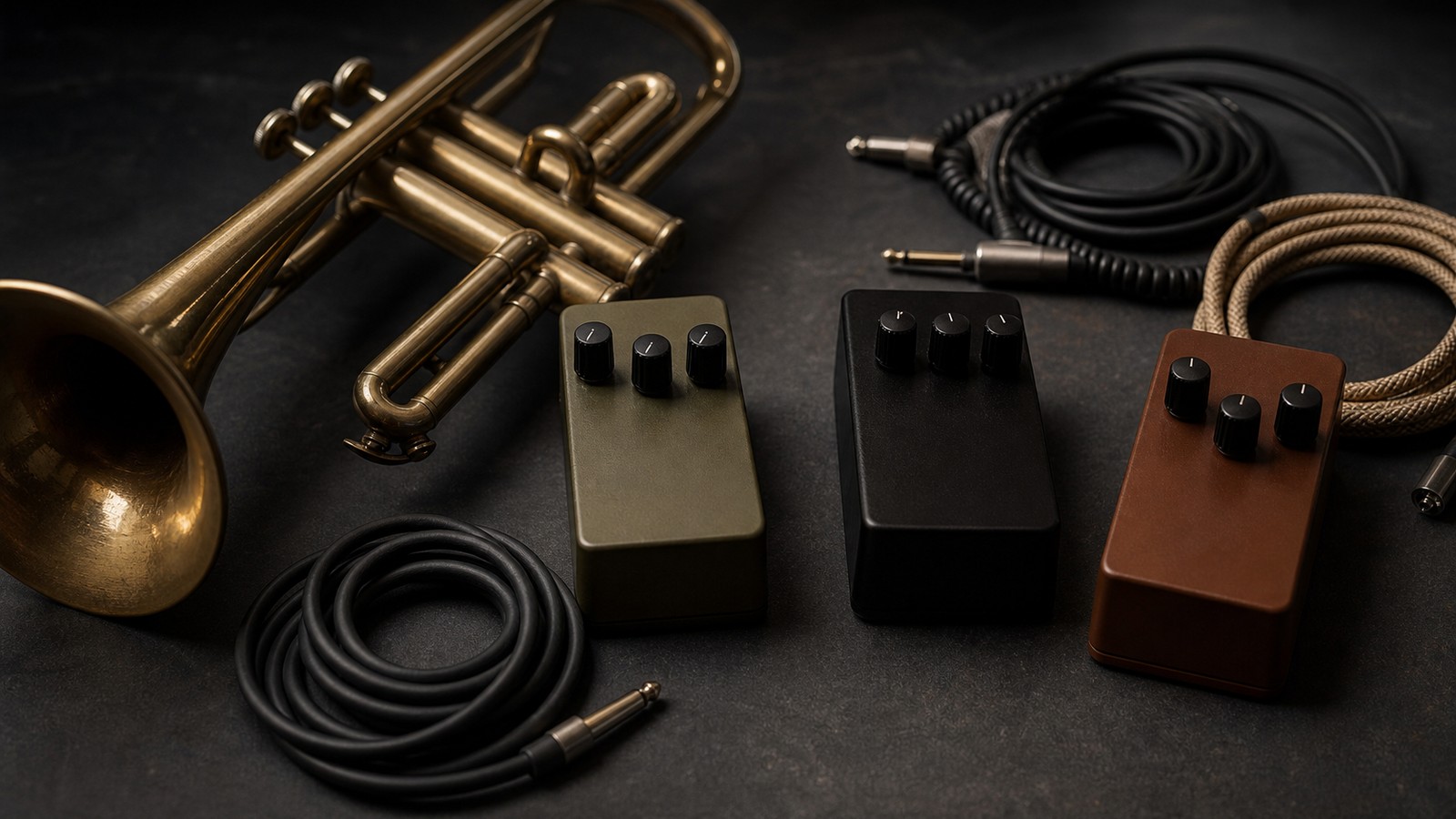
Best Professional Trumpets in 2025: The Ultimate Buyer’s Guide for Serious Players
In 2025, the professional trumpet world is richer, more refined, and more specialized than ever before. Advances in manufacturing precision, materials, and player-driven design have reshaped what musicians expect from a top-tier instrument. Today’s professional trumpets are no longer just about raw power or tradition—they are about balance, efficiency, consistency, and personal sound identity. Whether you are performing orchestral repertoire, leading a jazz ensemble, recording commercial tracks, or balancing multiple genres in a demanding career, choosing the right trumpet is one of the most important musical decisions you will make. This guide explores the best professional trumpets in 2025, focusing on instruments that consistently meet the demands of working musicians. These are horns trusted by professionals for their tone quality, intonation, response, durability, and versatility. More importantly, they represent different sound philosophies, ensuring there is a true professional option for every serious player.
A: Build quality, consistency, and performance under pressure.
A: They are more revealing, not harder.
A: Often, yes—depending on genre.
A: Slightly, but feel matters more.
A: Advanced students may benefit.
A: Decades with proper care.
A: No—design fit is key.
A: They are more consistent.
A: Some can, many specialize.
A: How it feels and sounds to you.
What Defines a Professional Trumpet in 2025?
A professional trumpet is defined less by branding and more by how it performs under pressure. These instruments are built to withstand daily use, long rehearsals, frequent travel, and intense performance environments without sacrificing reliability or sound quality. Tight manufacturing tolerances ensure consistent valve compression, smooth slide movement, and accurate alignment across the instrument.
In 2025, professional trumpets are also designed with player efficiency in mind. This includes ergonomic slide triggers, refined bracing that balances resonance with stability, and leadpipe designs that reduce unnecessary resistance. A true professional trumpet allows the player to focus entirely on musical expression rather than compensating for mechanical limitations.
Perhaps most importantly, professional trumpets perform well at the extremes. They maintain pitch stability at soft dynamics, remain centered at high volumes, and retain tonal integrity across the full register. These qualities separate professional instruments from intermediate models and make them indispensable for serious musicians.
Sound, Feel, and Design: What Matters Most
Every professional trumpet is a system made up of interdependent elements. Bore size, bell taper, bell material, leadpipe shape, valve material, and overall weight all influence how the instrument feels and sounds. Medium-large bores dominate the professional market because they offer a strong balance of projection, flexibility, and endurance. However, how that bore interacts with the leadpipe and bell can dramatically change the playing experience.
Bell material plays a significant role in shaping tone. Yellow brass bells tend to offer clarity and brilliance, making them popular for lead and commercial playing. Gold brass bells add warmth and depth, often favored by orchestral and lyrical players. Some manufacturers emphasize one-piece hand-hammered bells for resonance and complexity, while others focus on consistency through precision forming techniques. Weight distribution also affects response. Lighter trumpets often feel more flexible and lively, while heavier designs can provide added stability and focus. In 2025, manufacturers are increasingly intentional about how weight is used, tailoring designs for specific performance needs rather than pursuing a one-size-fits-all approach.
Bach Stradivarius 180S37: The Timeless Standard
Few trumpets have achieved the iconic status of the Bach Stradivarius 180S37. Decades after its introduction, it remains one of the most widely used professional trumpets in the world. Its enduring popularity comes from its remarkable balance. The 180S37 offers a centered, versatile tone that blends effortlessly in orchestral settings while still projecting clearly in solo and jazz contexts.
Players often describe the Bach Stradivarius sound as having a strong core with enough flexibility to shape color through embouchure and air. The instrument responds well across dynamics and maintains stability when pushed, making it suitable for long rehearsals and demanding repertoire. In 2025, it continues to serve as a benchmark against which many other professional trumpets are measured.
This model is particularly appealing to players who want one primary trumpet that can handle a wide range of musical situations. It may not impose a strong personality, but that neutrality is precisely what makes it so adaptable and reliable.
Yamaha Xeno Series: Precision and Consistency
Yamaha’s Xeno trumpets have become a staple among professional musicians who value consistency above all else. In 2025, the Xeno series remains synonymous with clean response, accurate intonation, and dependable performance in any environment. These trumpets are known for feeling immediately comfortable, even to players encountering them for the first time.
The Xeno sound is focused and controlled, with excellent pitch stability across registers. This makes the series particularly popular among orchestral musicians, studio players, and performers who frequently switch between venues with different acoustics. Yamaha’s manufacturing consistency also means that Xeno trumpets tend to feel remarkably similar from one instrument to the next, reducing uncertainty when purchasing or replacing a horn. Players who appreciate a modern, refined feel without excessive resistance often gravitate toward the Xeno. In 2025, it remains a top choice for professionals who need reliability day in and day out.
Schilke B1: Speed, Clarity, and Flexibility
The Schilke B1 has long been admired for its quick response and brilliant tonal clarity. This trumpet is often described as feeling open and immediate, allowing articulations to speak cleanly and effortlessly. For players who prioritize agility and precision, the B1 remains one of the most compelling professional options in 2025. The sound profile of the Schilke B1 leans toward brightness, but it is not thin. Instead, it offers a clear, focused tone that cuts through ensembles without becoming harsh. This makes it especially popular among lead players, commercial musicians, and jazz soloists who need projection and clarity in demanding settings.
What sets the B1 apart is its flexibility. It responds quickly to changes in air speed and embouchure, giving skilled players a wide range of tonal colors. In the hands of a confident musician, it can sound bold, lyrical, or refined, depending on the musical context.
S.E. Shires TRQ10S: Modern Craftsmanship Meets Control
S.E. Shires has earned a strong reputation for combining modern engineering with musician-focused design, and the TRQ10S exemplifies this approach. In 2025, it stands out as a professional trumpet that balances openness with defined slotting, offering both freedom and security.
The TRQ10S feels responsive without being unpredictable. Notes lock in confidently, yet the instrument does not feel overly resistant. This balance makes it appealing to players who perform across multiple genres and need a trumpet that adapts easily to different musical demands.
Tonally, the TRQ10S offers a refined, contemporary sound with a strong center. It projects well without sacrificing warmth and remains stable at both soft and loud dynamics. For professionals seeking a modern alternative to traditional designs, the Shires TRQ10S is a compelling choice in 2025.
Getzen 900 Classic: Open Feel and Player-Friendly Design
The Getzen 900 Classic reflects a long tradition of player-focused craftsmanship. Known for its smooth valve action and comfortable ergonomics, this trumpet appeals to professionals who want an instrument that feels natural and easy to control.
In terms of sound, the 900 Classic offers an open, flexible response with a confident core. It does not feel overly tight, allowing players to shape phrases freely and adjust tone color with ease. This makes it especially attractive to jazz musicians and commercial players who value expressiveness and nuance.
Durability is another hallmark of the Getzen brand. The 900 Classic is built to withstand heavy use, making it a reliable option for working professionals in 2025 who need an instrument that performs consistently night after night.
B&S Challenger 3137: European Precision and Focus
The B&S Challenger 3137 represents a European approach to trumpet design, emphasizing efficiency, precision, and a clean tonal core. In 2025, it continues to be a respected professional option, particularly among players who prefer a direct, focused sound.
This trumpet offers strong projection with minimal effort, making it well-suited for ensemble playing where clarity and blend are essential. The Challenger 3137 tends to feel stable and secure, especially in the middle and upper registers, which many professionals find reassuring during demanding performances. Players who want a professional trumpet that feels solid, refined, and slightly different from mainstream American or Japanese models often find the B&S Challenger line appealing.
Adams A9: Character and Individuality
Adams trumpets have gained recognition for their boutique-inspired craftsmanship and emphasis on individuality. The Adams A9, in particular, appeals to professional players who want an instrument with personality and depth.
This trumpet often feels lively and responsive, rewarding nuanced air control and expressive phrasing. Its sound can be rich and complex, making it a favorite among jazz artists, soloists, and crossover musicians who want their instrument to contribute actively to their musical voice.
In 2025, the Adams A9 represents a path for professionals who value character and artistic individuality over strict traditionalism. It is a trumpet that invites exploration and rewards careful listening.
Matching the Trumpet to Your Musical World
Choosing the best professional trumpet ultimately depends on how and where you play. Orchestral musicians often prioritize blend, pitch stability, and a warm, centered tone, leading them toward instruments like the Bach Stradivarius or Yamaha Xeno. Jazz and commercial players may favor faster response and projection, making models like the Schilke B1 or Getzen 900 Classic particularly appealing.
For musicians who navigate multiple styles, versatility becomes paramount. Trumpets like the Shires TRQ10S are designed with this reality in mind, offering adaptability without compromising performance quality. Understanding your primary musical demands will guide you toward the instrument that best supports your work.
The Role of the Player in the Equation
No matter how advanced a trumpet may be, it is ultimately a tool. Mouthpiece choice, embouchure, air concept, and musical intent all play significant roles in shaping the final sound. In 2025, professional trumpets are capable of extraordinary performance, but they reveal their true potential only when matched thoughtfully with the right player.
Testing instruments thoroughly remains essential. Pay attention to how a trumpet responds when you are tired, how it behaves at soft dynamics, and how it holds together under pressure. The best professional trumpet is not necessarily the most impressive at first glance—it is the one that supports your playing consistently over time.
Final Thoughts: The Best Professional Trumpets of 2025
The professional trumpet landscape in 2025 offers an exceptional range of high-quality instruments. From timeless standards like the Bach Stradivarius to modern precision tools like the Yamaha Xeno, from agile performers like the Schilke B1 to expressive boutique-style options like the Adams A9, there has never been a better time to find a trumpet that truly fits your musical identity. The best professional trumpet is the one that makes your work easier, your sound more confident, and your musical ideas more immediate. When you find that instrument, it stops feeling like equipment and starts feeling like an extension of your voice.