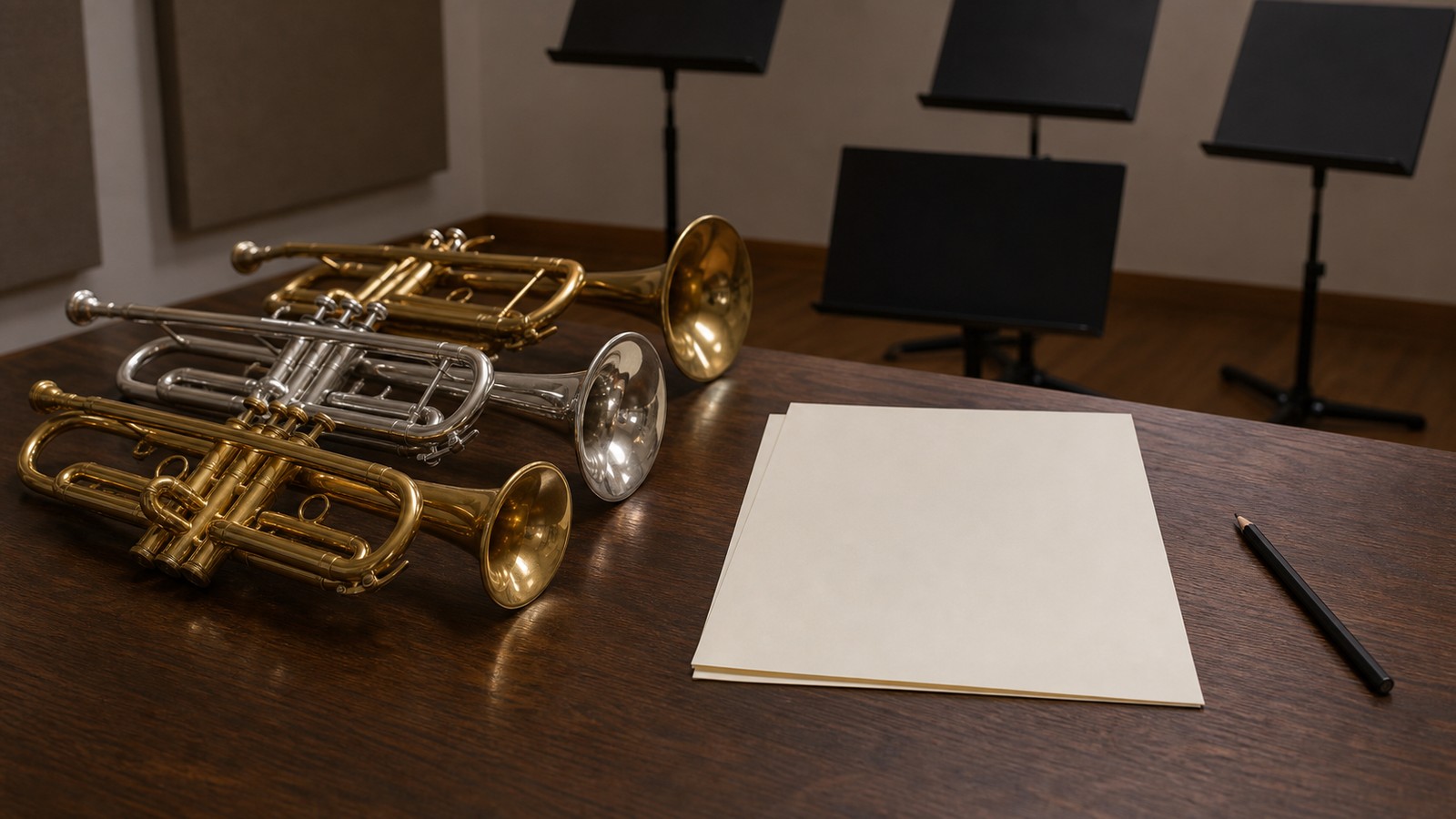
Best Budget Trumpets Under $300: Big Sound Without the Big Price Tag
Finding a trumpet under $300 that actually plays well can feel overwhelming. The market is crowded with shiny instruments, bold promises, and beginner bundles that all look surprisingly similar at first glance. Yet anyone who has tried to learn on a poorly made trumpet knows the truth: a bad instrument doesn’t just sound rough, it can slow progress, drain motivation, and make practice feel like work instead of music. The good news is that budget trumpets have improved dramatically over the past decade. While they will never fully replace intermediate or professional horns, many modern budget models are more than capable of supporting beginners, students, and casual players. When chosen carefully, a trumpet under $300 can offer solid playability, reliable mechanics, and a tone that encourages growth rather than frustration. This guide explores what truly matters when shopping for a budget trumpet, what compromises are normal at this price, and how to choose an instrument that delivers real value. Whether you’re buying for a first-time student, returning to the trumpet after years away, or looking for an affordable backup horn, this article will help you make a confident, informed decision.
A: Yes, when properly maintained and chosen carefully.
A: Not during the beginner stage.
A: They may require more player adjustment.
A: Often yes, if condition is good.
A: Several years with proper care.
A: Yes, especially for beginners.
A: Basic repairs are usually possible.
A: Yes, many students start this way.
A: Most players do as skills improve.
A: Valve performance and reliability.
Understanding the Budget Trumpet Market
At under $300, trumpets generally fall into two categories: new beginner kits and used student instruments from established brands. Both options have advantages, and the right choice depends on your goals, patience level, and expectations.
New beginner trumpets are widely available, often sold as complete packages that include a case, mouthpiece, valve oil, gloves, and cleaning accessories. These kits are appealing because they remove friction from the buying process. You can open the case and start playing immediately, which is especially helpful for beginners or parents buying for a child.
Used trumpets, on the other hand, often offer higher overall build quality. A student model that originally cost much more can sometimes be found under $300 if it shows cosmetic wear or comes from a school inventory. While used instruments require more inspection and sometimes a professional cleaning, they often reward buyers with better intonation, smoother valve action, and longer lifespan. The key is recognizing that value does not always equal new, and that price alone doesn’t determine how playable a trumpet will feel.
What to Expect From a Trumpet Under $300
A realistic mindset is essential. Budget trumpets are not precision-engineered performance machines, but they don’t need to be. For learning and casual playing, the fundamentals matter far more than refinement.
You can expect a playable tone across the standard range, acceptable tuning with proper technique, and valves that work well when maintained. What you should not expect is effortless projection, perfectly centered notes, or the nuanced response that professionals rely on in demanding performance settings. Minor inconsistencies in finish, slightly heavier construction, and simpler materials are common at this price. These compromises are normal and do not automatically make a trumpet “bad.” In fact, many beginners benefit from slightly more resistance, as it helps develop breath control and embouchure strength.
Why Valves Matter More Than Anything Else
If there is one feature that defines a good budget trumpet, it is valve quality. Valves are the most frequently used moving parts, and their behavior has a direct impact on playability.
On a solid budget trumpet, valves should move smoothly, return quickly, and feel consistent from finger to finger. They may not feel buttery-soft out of the box, but they should improve noticeably with regular oiling. Sticky or slow valves, even on a new trumpet, are a red flag. Because budget trumpets are often shipped dry, initial maintenance is critical. Oiling the valves immediately and generously during the first weeks can make the difference between a frustrating experience and a surprisingly enjoyable one.
Intonation and Why Beginners Feel It More
Intonation refers to how accurately a trumpet plays in tune across its range. All trumpets, even professional ones, require the player to make small adjustments. However, budget trumpets often have less forgiving tuning tendencies.
For beginners, this can feel intimidating. The truth is that intonation problems are manageable, especially when paired with a tuner and good habits. A budget trumpet that runs slightly sharp or flat in certain registers is still perfectly usable for learning. Over time, players naturally develop the ability to adjust pitch with embouchure and air support.
What matters most is consistency. If a trumpet’s intonation tendencies are predictable, players can adapt. Wildly inconsistent tuning is far rarer than people fear, even among budget models.
New Beginner Trumpets: Pros and Cons
New trumpets under $300 are typically designed with beginners in mind. They emphasize affordability, durability, and ease of entry rather than refinement. One major advantage of buying new is peace of mind. You know the instrument hasn’t been mistreated, and many sellers offer return policies that allow exchanges if problems arise. New trumpets also tend to come with modern manufacturing improvements that reduce severe defects compared to very old budget instruments.
The downside is quality variation. Two trumpets of the same model can feel slightly different due to looser tolerances. This makes it especially important to test the instrument immediately and address any issues early. Despite this variability, many new budget trumpets are perfectly adequate learning tools, especially when purchased from reputable sellers and properly maintained.
The Power of Buying Used on a Budget
Used trumpets are often the secret weapon for buyers who want the most musical value per dollar. Student models from well-known manufacturers are designed to withstand years of use, making them excellent candidates for second-hand purchases.
A used trumpet under $300 may show scratches, worn lacquer, or minor dents, but these cosmetic flaws rarely affect sound. What matters is the condition of the valves, slides, and leadpipe. If those components are intact, a used trumpet can outperform many brand-new budget horns.
The trade-off is effort. Buying used requires inspection, communication with sellers, and sometimes a visit to a repair shop. However, even a modest investment in professional cleaning can dramatically improve playability, turning a neglected instrument into a reliable daily player.
Matching the Trumpet to the Player
Not all budget trumpets serve the same purpose. Choosing wisely means matching the instrument to how it will be used. For absolute beginners, simplicity is key. A lightweight trumpet with comfortable valve spacing and a standard mouthpiece helps new players focus on fundamentals rather than fighting the instrument.
For school band students, durability matters. The trumpet should handle frequent transport, quick setup, and daily practice without mechanical issues. Used student models often shine here due to their robust construction.
For returning adults, feel and response become more important. A trumpet that slots notes cleanly and responds well at moderate volumes can make the return to playing far more enjoyable. For marching band or outdoor use, budget trumpets make excellent secondary instruments. Players can perform without worrying excessively about weather, accidental bumps, or cosmetic damage.
The Role of the Mouthpiece
Most budget trumpets include a basic mouthpiece, typically modeled after a standard 7C. This is not a flaw. The 7C size has remained popular for decades because it works well for a wide range of players.
While upgrading a mouthpiece later can enhance comfort and tone, beginners should resist the urge to swap immediately. Developing embouchure consistency matters more than chasing equipment changes. A familiar, standard mouthpiece allows teachers and resources to give more accurate guidance.
Maintenance: The Hidden Factor That Determines Success
A budget trumpet demands attention. Regular oiling, occasional slide grease, and basic cleaning are not optional extras; they are part of ownership. Neglect is the fastest way to turn a decent trumpet into a frustrating one. Fortunately, maintenance is simple and inexpensive. A few minutes each week can dramatically improve valve response and overall feel. Players who take care of their budget trumpets are often surprised by how well they perform. Those who don’t may assume the instrument is flawed when the issue is actually preventable.
Longevity and Upgrade Paths
A common concern is how long a trumpet under $300 will last. With proper care, many budget trumpets can remain playable for years. They may eventually show wear in the valves or finish, but they often outlast the beginner phase comfortably.
Most players naturally outgrow their first trumpet as their skills improve. When that happens, the initial budget purchase has still served its purpose. It allowed exploration, learning, and confidence-building without financial strain.
In some cases, budget trumpets become backup instruments, travel horns, or practice tools, continuing to provide value long after an upgrade.
Common Myths About Cheap Trumpets
One persistent myth is that cheap trumpets are impossible to play well. In reality, many skilled players can produce good tone on modest instruments because technique matters more than price.
Another myth is that beginners need professional gear to succeed. This often leads to unnecessary pressure and expense. A supportive, functional trumpet paired with consistent practice is far more important than premium branding. Finally, some believe that accessories define quality. While cases and cleaning kits are helpful, they do not compensate for poor valve action or air leaks. Always prioritize the instrument itself.
Final Thoughts: Choosing Confidence Over Perfection
The best budget trumpets under $300 are not defined by perfection. They are defined by function, reliability, and encouragement. A trumpet that responds consistently, stays reasonably in tune, and feels comfortable in the hands allows players to focus on music rather than mechanics. Whether you choose a new beginner kit or a carefully selected used instrument, the most important factor is how it supports your musical journey. At this price point, smart expectations and good maintenance go a long way. A budget trumpet is not a compromise; it is a starting point. And for many players, it is the instrument that transforms curiosity into commitment, noise into music, and practice into joy. If you’d like, I can also create a companion article on Best Beginner Trumpet Accessories Under $100 or How to Tell If a Used Trumpet Is Worth Buying, written in the same professional, SEO-friendly style.