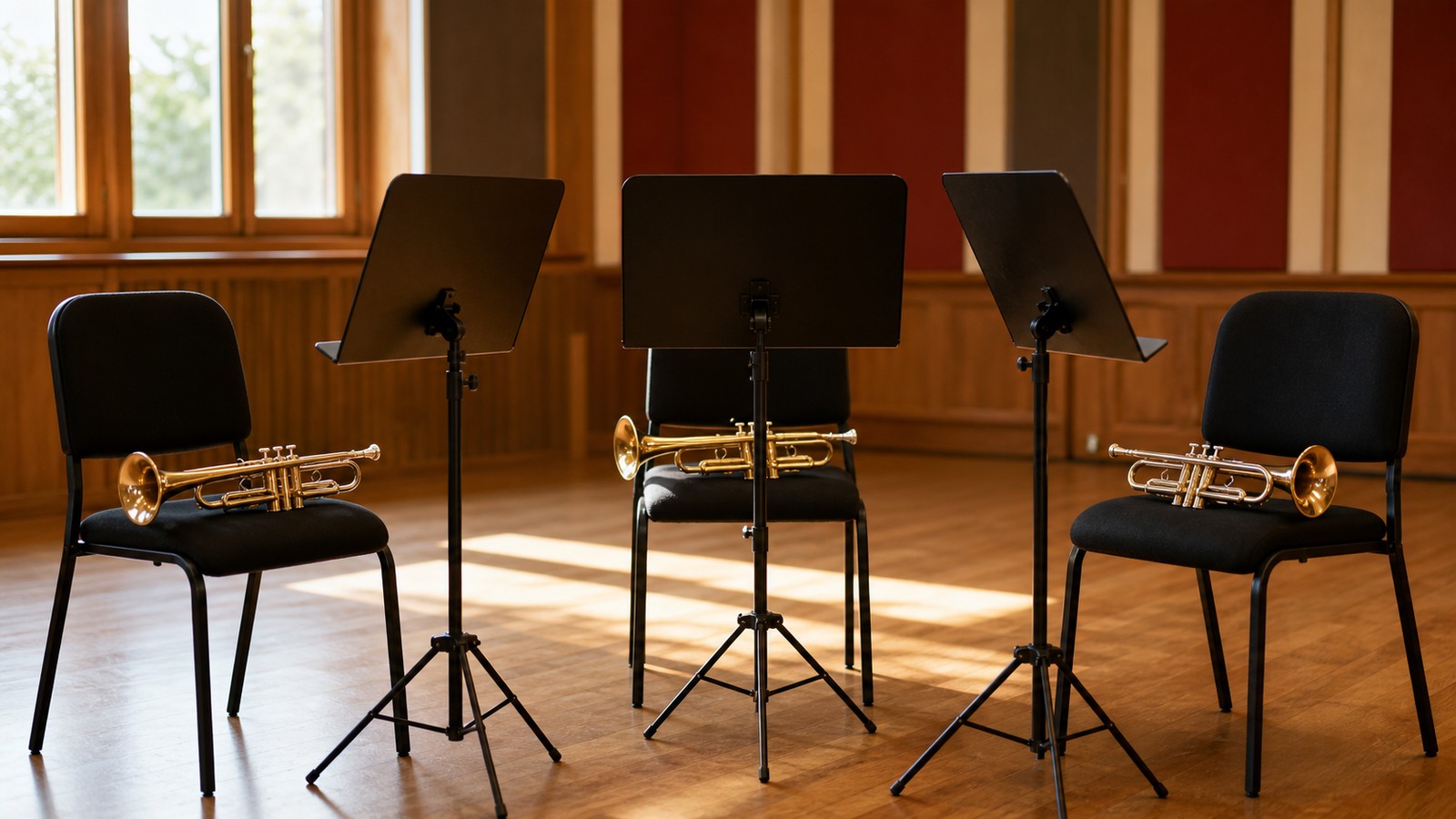
Stepping into the world of intermediate trumpets is one of the most exciting moments in a player’s musical journey. This is the point where sound concept, technique, and musical identity begin to crystallize. The trumpet is no longer just an instrument for learning notes and scales—it becomes a voice. In 2026, intermediate trumpet buyers are entering a market richer and more refined than ever, with manufacturers blending professional-level design features into instruments that remain accessible and versatile. This guide is designed for advancing students, dedicated hobbyists, and returning players who are ready to move beyond entry-level limitations. Whether you’re playing in a school ensemble, community orchestra, jazz band, worship group, or recording environment, choosing the right intermediate trumpet can dramatically influence your tone, endurance, and overall confidence.
A: When tone, response, or intonation outgrow your student horn.
A: They’re more responsive, not harder, when paired correctly.
A: Absolutely—many are stage and studio ready.
A: Many players use them for a decade or more.
A: It’s preference-based; feel differs more than tone.
A: Yes, especially as backups or for specific contexts.
A: Often yes—pairing matters.
A: Only if uninspected; condition matters most.
A: Improved sound control and confidence.
A: For many players, it can be.
What Defines an Intermediate Trumpet in 2026?
An intermediate trumpet sits squarely between beginner durability and professional precision. Unlike student models, these instruments are built to respond to nuanced airflow, refined embouchure control, and expanding musical range. In 2026, the distinction between intermediate and professional trumpets has narrowed considerably, but important differences still exist.
Intermediate trumpets typically feature higher-grade brass alloys, more precise valve machining, improved leadpipe tapers, and better bell construction than beginner horns. They often borrow design elements from flagship professional models while maintaining forgiving response characteristics that help players grow rather than punish minor inconsistencies. The goal is balance: enough resistance for control, enough openness for expression, and enough clarity to reward developing technique.
Who Should Buy an Intermediate Trumpet?
Intermediate trumpets are ideal for players who have outgrown student instruments but are not yet ready—or do not yet need—to invest in a full professional horn. This includes advancing middle school and high school players, college non-majors, serious adult learners, and musicians returning after time away from the instrument.
If your current trumpet feels limiting in dynamic range, struggles to slot notes cleanly, or sounds thin despite solid technique, an intermediate model can be a revelation. These instruments respond better to subtle embouchure changes, allow greater projection without harshness, and support extended playing sessions with less fatigue.
Build Quality and Materials: What to Expect
One of the most noticeable upgrades in intermediate trumpets is build quality. By 2026, manufacturers have refined CNC machining and hand-finishing processes to a level that ensures remarkable consistency across production lines. Valves are smoother, tolerances are tighter, and overall reliability has improved significantly.
Most intermediate trumpets use yellow brass as a foundation, often paired with gold brass or rose brass leadpipes to enhance warmth and flexibility. Bells may be one-piece or two-piece designs, with varying thicknesses that affect resonance and projection. While these horns may not use the same level of hand-hammering as elite professional models, the tonal differences have become surprisingly subtle.
Valve Action and Feel
Valves are the heart of any trumpet, and intermediate models in 2026 deliver performance that would have been considered professional just a decade ago. Look for stainless steel or monel valves with precise alignment and fast rebound. The best intermediate trumpets offer valve action that feels light, smooth, and consistent, encouraging technical development without mechanical resistance.
Good valve response directly impacts articulation, speed, and endurance. When valves operate effortlessly, the player can focus on musical phrasing rather than physical effort. This is especially important for players exploring faster passages, jazz improvisation, or advanced orchestral repertoire.
Sound Character and Tonal Flexibility
Intermediate trumpets are designed to be versatile, capable of adapting to multiple musical styles. In 2026, tonal flexibility is one of the strongest selling points in this category. These instruments aim for a centered core sound that can be shaped brighter or darker depending on mouthpiece choice, embouchure, and air support.
Rather than locking the player into a specific tonal profile, intermediate trumpets provide a neutral, adaptable sound platform. This makes them ideal for musicians who play in varied settings or are still discovering their preferred musical voice. A well-chosen intermediate trumpet should sound equally comfortable leading a brass section or blending into an ensemble.
Intonation and Slotting Improvements
One of the biggest frustrations with beginner trumpets is inconsistent intonation. Intermediate models address this with better leadpipe design, improved tuning slide fit, and more accurate bell geometry. In 2026, intonation accuracy has become a defining strength of this category.
Notes slot more securely, meaning pitches lock into place with less adjustment from the player. This helps developing musicians focus on musical expression rather than constant pitch correction. While no trumpet is perfectly in tune across all registers, intermediate models dramatically reduce the effort required to play in tune.
Finish Options and Durability
Intermediate trumpets are commonly available in clear lacquer, silver plate, and occasionally gold plate. Lacquer finishes tend to emphasize warmth and are slightly more forgiving in maintenance, while silver-plated instruments often feel more responsive and articulate. In 2026, modern plating techniques have significantly improved durability, making silver finishes more practical for daily use.
Finish choice is as much about feel and personal preference as aesthetics. While tonal differences between finishes are subtle, many players report differences in response that can influence comfort and confidence. The best choice is the one that feels most natural in your hands and under your airflow.
Weight, Balance, and Ergonomics
An often overlooked aspect of intermediate trumpets is physical comfort. These instruments are typically lighter and better balanced than student models, reducing strain during long rehearsals or performances. Manufacturers in 2026 pay close attention to ergonomic details such as valve spacing, slide placement, and overall hand feel.
Comfort matters more than many players realize. A trumpet that fits your hands well and balances naturally can improve endurance and reduce tension, allowing for more relaxed and expressive playing. This is particularly important as practice sessions become longer and more demanding.
Trusted Brands Leading the Intermediate Market
Several manufacturers continue to dominate the intermediate trumpet space thanks to decades of craftsmanship and innovation. Brands such as Yamaha, Bach, Getzen, and Conn-Selmer offer intermediate models that closely reflect their professional line philosophies.
In recent years, these companies have narrowed the performance gap between intermediate and professional instruments, offering players exceptional value. Choosing a well-established brand often means easier access to repairs, replacement parts, and long-term support—an important consideration for serious musicians.
The Role of Mouthpiece Pairing
While the trumpet itself is crucial, mouthpiece pairing can significantly affect how an intermediate instrument performs. Many players mistakenly judge a trumpet without considering whether their mouthpiece complements the horn’s design. In 2026, manufacturers often design intermediate trumpets to work well with a wide range of standard mouthpieces, offering flexibility as the player’s preferences evolve.
An intermediate trumpet should respond positively to mouthpiece experimentation, allowing players to explore different rim sizes, cup depths, and backbores without compromising intonation or response. This adaptability is a sign of a well-designed instrument.
Price Range and Value Expectations
Intermediate trumpets in 2026 typically fall within a mid-tier price range that reflects their enhanced materials and craftsmanship. While prices vary by brand and finish, buyers should expect to invest meaningfully in an instrument designed to last several years of serious playing.
Value in this category is not about finding the cheapest option but about identifying the horn that offers the best balance of sound quality, reliability, and long-term growth potential. A good intermediate trumpet can easily carry a player through high school, college ensembles, and beyond.
Buying New vs. Used in 2026
The used market for intermediate trumpets has grown stronger, especially as modern instruments maintain quality over time. Buying used from a reputable dealer can offer excellent value, provided the instrument has been well maintained and professionally inspected.
That said, new intermediate trumpets come with warranties, predictable condition, and peace of mind. For players who rely on consistency and minimal maintenance risk, purchasing new remains an attractive option. The decision ultimately depends on budget, availability, and personal comfort level.
How an Intermediate Trumpet Supports Musical Growth
Perhaps the most important role of an intermediate trumpet is how it supports musical development. These instruments reward good technique without being overly demanding. They encourage refined air control, improved articulation, and better tone production, acting as a bridge toward professional-level performance.
In 2026, intermediate trumpets are no longer just stepping stones; they are serious instruments capable of impressive musical results. Many players continue using them well into adulthood, not because they cannot upgrade, but because they genuinely enjoy the balance and feel these horns provide.
Common Mistakes to Avoid When Buying
One common mistake is choosing an intermediate trumpet solely based on brand reputation or appearance without considering personal fit. Another is assuming that higher price always equals better performance. In reality, the best trumpet is the one that complements your playing style, embouchure, and musical goals.
Players should also avoid rushing the decision. Whenever possible, testing multiple instruments—ideally in the environments where they’ll be played—can reveal subtle but important differences in response and comfort.
Final Thoughts: Choosing Your Next Musical Partner
An intermediate trumpet is more than an upgrade; it is an investment in your musical identity. The 2026 market offers players unprecedented access to refined craftsmanship, balanced sound, and reliable performance at this level. With careful consideration and an honest assessment of your needs, you can find an instrument that inspires confidence, encourages growth, and makes every practice session more rewarding. The right intermediate trumpet does not just help you play better—it makes you want to play more. And in the end, that motivation is the most valuable feature any instrument can offer.