Classical Trumpet Choice Starts With Control
Choosing a trumpet for classical playing is less about finding the loudest or brightest horn and more about finding an instrument that supports control. Classical players need centered tone, reliable intonation, clean response, smooth soft attacks, clear articulation, and a sound that can blend or project depending on the ensemble. A trumpet that feels exciting for a few big notes may not be the right partner for etudes, excerpts, chamber music, auditions, and long rehearsals. The best choice helps the player make refined musical decisions with less struggle.
A: Control, response, intonation, tone core, blend, and reliable mechanics matter most.
A: Not automatically. The sound should have color and core without becoming covered.
A: No. A professional model only helps if it fits the player's level, sound, and needs.
A: Play quiet entrances after rests in several registers and listen for clean, centered starts.
A: Yes if possible, because a teacher can hear projection and pitch from the room.
A: Specs are clues, but playing response and musical fit decide the result.
A: Yes, but condition, valves, slides, compression, and repair history should be checked.
A: Bring lyrical, technical, soft, loud, and ensemble-style excerpts you actually play.
A: Long enough to notice fatigue, pitch tendencies, response, and comfort beyond first impressions.
A: Choose the trumpet that supports better music-making, not the one that only feels flashy.
Classical Fit Is Different From General Fit
A trumpet can be a good instrument and still not be the best classical match for a particular player. Classical work asks for even response across dynamics, secure pitch, and tone that can carry without becoming brittle. The horn should make careful playing easier, not only loud playing more exciting.
Players should test the instrument in the ways they actually perform. Long tones, lyrical excerpts, soft entrances, clean articulations, and ensemble-style dynamics reveal more than a few flashy high notes. A trumpet that feels impressive in a shop may feel less useful during a quiet orchestra entrance.
The player's current level also matters. A developing student may need a horn that encourages stability and confidence, while an advanced player may seek more color options and resistance preferences. The right trumpet fits both the player and the musical job.
Tone Core Comes First
Classical trumpet tone should have a clear core. It can be brilliant, dark, warm, or focused depending on the player and repertoire, but it should not spread easily or turn thin under pressure. When testing a horn, listen for whether the center of the sound stays present at soft, medium, and strong dynamics.
Response Matters at Soft Dynamics
Many trumpets can speak when played confidently at medium volume. Classical players also need notes to start cleanly at piano and pianissimo. A horn that hesitates at soft dynamics can make exposed entrances stressful and may encourage the player to overprepare with tension.
Soft response should be tested after rests, in different registers, and with slurred as well as tongued notes. If every quiet entrance feels like a risk, the player should keep comparing instruments rather than assuming the problem is only nerves.
Intonation Has to Be Workable
No trumpet plays perfectly in tune by itself, but some instruments make pitch adjustment clearer than others. Classical players need to know how the horn behaves on common problem notes, valve combinations, soft attacks, and sustained lines. The question is whether intonation feels understandable and manageable.
Bring a tuner, but do not stare at it the entire time. Listen for how notes settle, how chords feel with another player or drone, and how much effort it takes to center pitch. A horn can look fine on isolated tuner checks yet still feel unstable in musical phrases.
Slide movement should also be considered. First and third valve slides need to move smoothly if the player uses them for pitch correction. Sticky slides can turn a good instrument into a daily frustration.
Slotting Should Help, Not Trap
Slotting describes how securely notes feel centered. A trumpet with helpful slotting can make classical entrances and intervals feel stable. If the slots are too rigid, the player may struggle to shade pitch, color, or phrase shape. If they are too loose, the horn may feel unreliable.
Blend Is an Ensemble Skill
Classical trumpet players often blend with other brass, winds, strings, organ, choir, or chamber groups. The horn should allow the player to adjust color instead of producing one fixed sound. A trumpet that only does bright and bold may be limiting in orchestra, wind ensemble, and chamber music.
Testing blend is easiest with another musician present. Play unisons, octaves, chorales, and soft background figures. Listen for whether the trumpet can join the sound or always sits on top of it.
Build Quality Shows Up Over Time
Classical practice and rehearsal put steady demands on valves, slides, braces, water keys, and solder joints. A trumpet should feel mechanically reliable. Valves need fast, quiet action; slides should move smoothly; and the horn should not have suspicious dents, red rot, or loose parts.
Used trumpets can be excellent values, but they should be inspected carefully. A beautiful finish does not guarantee compression, alignment, or repair history. A technician's opinion can prevent an expensive mistake.
Build quality is not only about durability. A well-made horn often feels more consistent in response and pitch, which supports the refined playing classical music requires.
Bore and Bell Specs Are Only Clues
Players often compare bore size, bell material, bell weight, leadpipe design, and finish. These details can influence feel and sound, but specifications do not tell the whole story. Two trumpets with similar specs may respond differently because design and player match matter.
Mouthpiece Pairing Changes the Result
A trumpet should be tested with the mouthpiece the player actually uses. Switching mouthpieces during a trial can blur the result because the player may be reacting to the mouthpiece more than the horn. Once a strong trumpet candidate is found, mouthpiece refinement can happen more carefully.
Classical mouthpiece choices often aim for tone depth, control, and endurance. The goal is not to force a darker sound at any cost. The best pairing allows the player to produce the desired sound without losing response or flexibility.
Repertoire Should Guide the Trial
Bring music that represents real classical demands. Lyrical etudes, articulation studies, orchestral-style excerpts, soft attacks, and sustained middle-register passages are useful. If the player performs in wind ensemble, include chorale and technical band writing too.
Avoid testing only the easiest material. A horn should be comfortable, but it also needs to reveal how it behaves under pressure. Difficult excerpts can show whether the instrument helps the player organize air and pitch or makes everything feel more tense.
The trial should include rest and return. Put the trumpet down, then play an exposed entrance after a pause. Classical performance often asks for exactly that kind of readiness.
Teacher Feedback Is Valuable
A teacher can hear the instrument from the room, not just behind the bell. Players often judge a horn by how it feels in their hands, while teachers can compare projection, tone center, pitch, and musical ease. That outside perspective is especially useful for students buying their first serious instrument.
Do Not Buy Only for the Next Audition
An upcoming audition can create pressure to buy quickly. A new trumpet may help, but it can also require adjustment time. Classical players should avoid choosing a horn only because it solves one immediate problem if it creates new issues for daily practice and ensemble playing.
Think about the next several years. Will the horn support lessons, ensembles, recitals, auditions, and growth? A thoughtful purchase should make the player more consistent, not only more excited for a week.
Student, Intermediate, and Professional Models
Student trumpets are built for durability and accessible response. Intermediate trumpets may offer improved materials, better valves, and more refined sound. Professional trumpets can provide greater nuance, but they may also demand more control from the player.
Moving up too early is not always helpful. A student who struggles with fundamentals may not benefit from a horn designed for advanced preferences. The upgrade should match musical readiness, not only ambition.
Families should compare value honestly. Sometimes a well-maintained used professional horn is wise; sometimes a dependable intermediate model is the better fit. Condition and player match matter more than label alone.
A Classical Purchase Checklist
Before buying, check soft response, intonation tendencies, valve action, slide movement, tone across dynamics, comfort after twenty minutes, and how the horn sounds from the room. Also confirm return policies, repair condition, and whether a teacher or technician can inspect the instrument.
Long-Term Fit Beats First Impression
The first few minutes on a trumpet can be misleading. A horn that feels very open may seem easy until the player tries delicate entrances. A horn with strong resistance may feel secure at first but tiring later. Longer trials reveal the relationship more honestly.
Players should notice whether the instrument encourages healthy habits. If the horn makes the player press, overblow, spread tone, or fight pitch, excitement should give way to caution. The right trumpet should invite better playing.
The Best Choice Feels Musical
A classical trumpet should help the player make music with confidence. It should respond predictably, tune reasonably, blend when asked, project when needed, and leave room for personal tone. Specs, brand reputation, and price all matter less than the musical result.
The right horn will not replace practice, listening, or lessons. It simply removes unnecessary obstacles. That is enough. A classical player who can trust the instrument is free to focus on phrase, color, balance, and expression.
Choose slowly when possible. Bring trusted ears, test real repertoire, and compare instruments in a calm setting. A trumpet that supports careful music-making will keep proving its value long after the purchase.
Testing in More Than One Room
A trumpet can seem different when it moves from a small shop room to a lesson studio, rehearsal hall, or auditorium. Classical players should test in more than one space when possible because projection and brightness change with the room. A horn that sounds rich nearby may not carry well, while one that feels vivid behind the bell may become too sharp in a live hall. Room testing helps separate real quality from acoustic surprise.
Avoiding the Brightness Trap
Many players are attracted to a trumpet that sounds brilliant immediately. Brightness can be useful, especially for orchestral climaxes and clear articulation, but it should not be the only quality the horn offers. If every phrase sounds loud, narrow, or exposed, the player may struggle with chamber music and soft ensemble work.
A good classical instrument gives the player choices. It can brighten when the music asks, darken for blend, and stay centered at moderate dynamics. The purchase should reward flexibility, not just the most exciting first impression.
Buying With Maintenance in Mind
Classical players often keep a good trumpet for many years, so maintenance support matters. Before buying, ask whether replacement parts are available, whether local technicians know the model, and whether the valves and slides feel likely to stay reliable with regular care. A rare instrument may sound beautiful but become inconvenient if repairs are difficult.
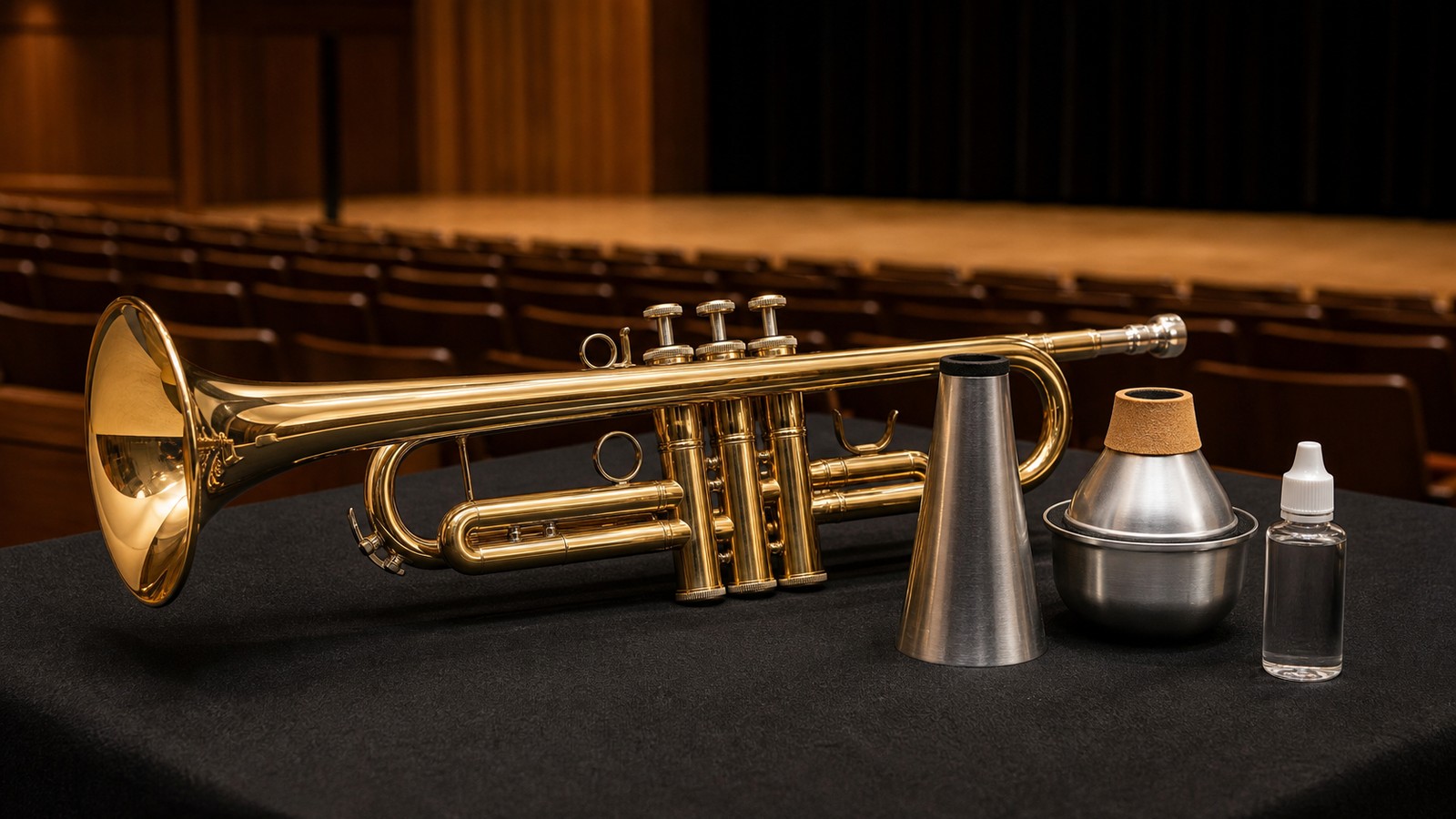
The case and accessories also deserve attention. A secure case protects alignment, dents, and slides during rehearsals and travel. Mutes, oil, grease, and cleaning tools should fit the player's real routine rather than staying as afterthoughts.
Thinking about maintenance is not unmusical. It protects practice time. A trumpet that stays mechanically dependable gives the player more energy for tone, phrasing, and ensemble preparation.
Keep Clear Trial Notes
After comparing several trumpets, impressions can blur. Write short notes about response, pitch, tone, comfort, and any concerns immediately after each trial. Those notes help the player make a calm decision later instead of trusting whichever horn felt most exciting in the final five minutes.