
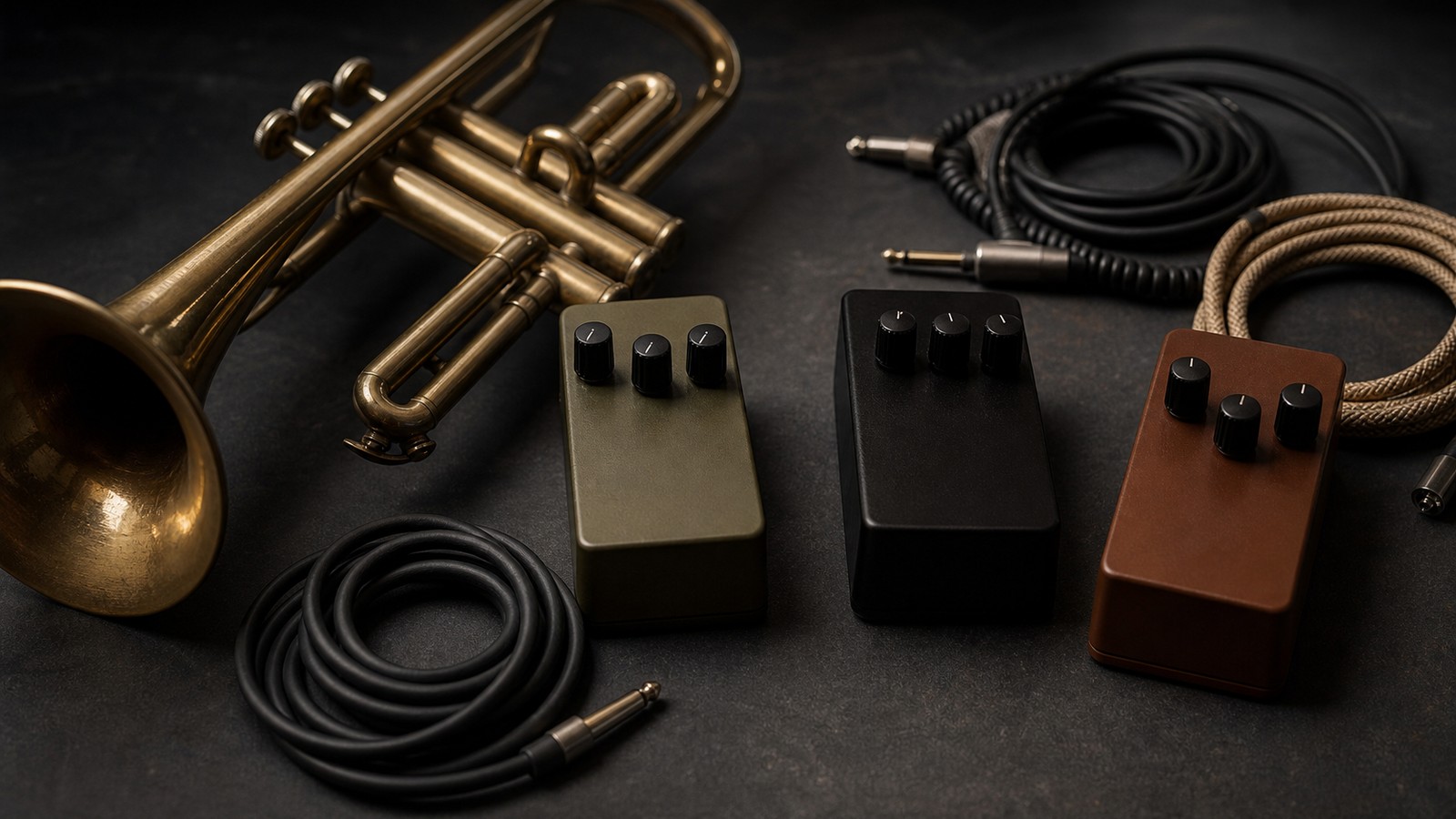
Trumpet Can Be Acoustic, Electric, and Experimental
Trumpet can work beautifully in electronic and experimental music because its acoustic identity is so strong. A single note can be processed, looped, stretched, distorted, layered, or placed inside a soundscape while still carrying the human breath behind it. The challenge is to use technology as a musical partner rather than a disguise. Players need tone control, microphone awareness, signal-chain planning, rhythmic patience, and curiosity about texture. When those pieces come together, trumpet can move far beyond traditional ensemble roles without losing its expressive center.
A: Yes. Its acoustic breath and strong tone can be processed, looped, sampled, or layered effectively.
A: No. Tone, rhythm, control, and listening still shape the processed result.
A: Start with recording, simple looping, delay, or reverb before building a complex setup.
A: Uncontrolled feedback is risky, though some artists use controlled feedback intentionally.
A: Sometimes. They may read standard notes, graphic scores, text cues, or improvisation instructions.
A: Very important because it shapes the sound before any effect changes it.
A: Yes, if they are used intentionally as rhythmic or textural material.
A: No. Learn one or two tools deeply before expanding the setup.
A: Breath, phrase shape, dynamics, timing, and intentional sound choices keep it human.
A: Communicate sounds, limits, cues, and setup needs clearly before recording or performing.
Start With the Acoustic Sound
Electronic processing does not remove the need for a good trumpet sound. The microphone or pedal receives whatever the player gives it: centered tone, shaky pitch, airy texture, harsh attacks, or intentional noise. A clear acoustic source gives the electronic layer something meaningful to transform.
This does not mean every sound has to be beautiful in a traditional way. Experimental music may use breath sounds, valve noise, half-valve color, growls, or fragmented attacks. The point is intention. The player should know whether a sound is rough by design or rough by accident.
Practicing unprocessed material first helps. If a phrase has shape before effects, the processed version usually feels more musical. Technology can expand a gesture, but it cannot supply purpose on its own.
Microphones Change the Instrument
A microphone becomes part of the trumpet setup in electronic music. Distance, angle, room sound, bell direction, and volume all affect the signal. A close microphone can capture breath and detail, while a farther microphone may preserve more room and natural blend. Players should treat microphone placement as a musical choice.
Signal Chain Shapes the Result
The signal chain is the path from trumpet to microphone, pedals, interface, mixer, software, speakers, or recording device. Changing the order of effects can dramatically change the sound. Delay before distortion feels different from distortion before delay, and looping before heavy processing creates different possibilities than looping after it.
Beginners should keep the chain simple at first. One microphone, one or two effects, and a clear output path can teach more than a complicated setup that is hard to control. Complexity is useful only when the player can still make musical decisions.
Looping Rewards Rhythm and Restraint
Looping lets a trumpet player build layers alone or inside an ensemble. A short figure can become a pulse, harmony, drone, or background texture. The first loop matters because every timing flaw repeats until it is replaced or stopped.
Good looping requires restraint. Players often add too many layers too quickly, leaving no space for development. A simple breathy note, muted pulse, or two-note figure can be stronger than a dense stack of ideas.
Students should practice starting and stopping loops cleanly. The musical ending of a loop is as important as the entrance. A messy loop cutoff can break the atmosphere that the player spent minutes building.
Effects Should Have a Job
Delay, reverb, distortion, filtering, pitch shifting, and granular textures can all be exciting, but each effect should have a reason. Ask whether the effect creates space, rhythm, tension, size, instability, warmth, or contrast. If the answer is only that the sound is unusual, the idea may not hold a listener's attention.
Extended Techniques Expand the Palette
Experimental trumpet often includes sounds outside standard clean playing. Air attacks, valve clicks, growls, flutter tongue, half-valve smears, mouthpiece-only sounds, multiphonic attempts, and pitch bends can become raw material for processing. These techniques should be practiced carefully so they are reliable and safe.
The player should separate exploration from strain. Some sounds feel unusual but healthy; others encourage pressure or tension. A teacher or experienced player can help identify techniques that should be approached cautiously.
Feedback Can Be Musical or Dangerous
Amplified trumpet can create feedback when microphones, speakers, gain, and room acoustics interact. Sometimes controlled feedback is part of an experimental sound. Uncontrolled feedback can hurt ears, damage the performance, and make the setup feel unstable.
Players should learn gain staging, speaker placement, and volume discipline. Start quietly, raise levels gradually, and know how to mute the signal quickly. A creative setup should still be safe for performers and listeners.
Ear protection may be appropriate in loud experimental contexts. Protecting hearing is not a sign of caution replacing art. It keeps the player able to make music over the long term.
Improvisation Needs Structure
Experimental music can be open, but open does not mean aimless. Trumpet improvisers using electronics should make decisions about density, register, pacing, silence, and contrast. A performance can be free while still having an arc.
Notation May Look Different
Electronic and experimental trumpet parts may use standard notation, graphic notation, time cues, text instructions, improvisation prompts, or software cues. The player may be asked to create a texture rather than play exact pitches. Reading becomes a mix of interpretation and listening.
Students should ask what details are fixed and what details are flexible. Some scores care about timing but not pitch; others care about sound quality, gesture length, or interaction with electronics. Clear questions prevent confusion in rehearsal.
Working With Producers and Sound Artists
Trumpet players in electronic settings may collaborate with producers, composers, DJs, installation artists, dancers, or visual performers. The musical language may not center traditional trumpet vocabulary. That can be refreshing if the player listens carefully and stays flexible.
Communication matters. Describe what the trumpet can do, ask what kind of texture is needed, and test ideas before assuming the first sound is the best sound. A collaborator may want breath, metal, warmth, aggression, fragility, or something in between.
The player should also understand practical limits. Range, endurance, mute changes, and setup time still matter. Experimental work is freer when everyone knows what the instrument can repeat reliably.
Recording Opens Another World
In the studio, trumpet can be layered, edited, reversed, stretched, sampled, or blended with synthetic sounds. The player may record single notes, fragments, swells, or noises that become part of a larger texture. Precision matters because small details can become huge once processed.
Stage Setup Should Stay Performable
A live electronic trumpet setup must be playable under pressure. Pedals should be reachable, cables should be secure, and changes should be rehearsed like musical passages. If the player has to look down constantly, the performance can lose focus.
Simplicity often wins on stage. A setup with fewer tools that the player knows deeply is usually stronger than a large collection of effects that create anxiety. The audience hears musical confidence more than technical inventory.
Keeping Breath in the Sound
One of the most powerful reasons to use trumpet with electronics is the contrast between human breath and machine-like repetition. A processed trumpet can still feel alive because tiny changes in attack, air, and pitch remain inside the sound. Those imperfections can be expressive.
Players should decide how much humanity they want to preserve. Some pieces may hide the source almost completely, while others may keep the trumpet recognizable. Both choices can work if they are intentional.
Breath can also structure a performance. Even with loops and effects, phrases need beginnings, tension, release, and silence. The trumpet player's body can keep the electronic texture from becoming flat.
Practice Without Getting Lost in Gear
Gear exploration can become endless. New pedals, software, cables, and devices are tempting, but the player still needs focused practice. Choose one sound, make music with it, record the result, and decide what actually improved the piece.
A Student Starting Path
A beginner in this area can start with a phone recorder, simple microphone, loop pedal, or basic recording software. The first goal is not a complex rig. It is learning how trumpet sound changes when recorded, repeated, delayed, or placed in a room.
Try short projects: a one-minute loop piece, a duet with a drone, a muted texture with reverb, or a rhythm built from valve sounds. Small limits encourage stronger choices. They also make it easier to hear what works.
The Creative Takeaway
Electronic and experimental trumpet invites players to ask what the instrument can become. It can remain a lyrical brass voice, turn into a texture, imitate a machine, dissolve into noise, or stand between acoustic and digital worlds. That freedom is exciting when it is guided by listening.
The strongest work usually keeps a clear relationship between sound and intention. Effects, loops, and extended techniques should serve a musical idea. When the player knows why a sound exists, unusual colors feel purposeful rather than random.
Trumpet has always adapted to new settings. Electronic and experimental music continue that history by giving breath, brass, and technology a shared space. The result can be strange, beautiful, unsettling, or deeply human.
Choosing Between Live and Studio Goals
A studio idea does not always translate directly to the stage. In a recording session, the player can layer takes, edit timing, and shape sounds after the fact. In a live performance, every cable, pedal press, breath, and loop decision happens in front of listeners. Before building a setup, decide whether the project is meant to be performed live, recorded, improvised, or assembled in layers. That decision affects how simple the rig should be, how much risk is acceptable, and how the trumpet part is practiced.
Latency and Timing Awareness
Electronic systems can introduce latency, which is a small delay between playing and hearing the processed sound. Even a slight delay can affect trumpet timing, especially with loops, fast articulated figures, or rhythmic effects. Players should test the setup before performance and learn whether they are hearing the direct sound, the processed sound, or both.
Timing also changes when effects repeat or smear the trumpet signal. A delay can make a simple phrase feel busy, while a long reverb can cover the next entrance. The player has to leave musical space for the effect's tail. Otherwise the performance can become crowded even when the written or improvised line is sparse.
Helping the Listener Follow the Sound
Experimental music can ask listeners to enter unfamiliar territory. Trumpet can help by giving the ear something human to follow: a breath, a repeated interval, a recognizable attack, or a gradual change in color. The sound does not have to be conventional, but it benefits from a point of orientation.
This is especially useful when electronics become dense. If every layer is processed heavily, the listener may lose track of the musical gesture. Leaving one element clear, dry, rhythmic, or repeated can make the surrounding textures easier to understand.
A player should not simplify every idea for comfort, but communication still matters. The most adventurous sound can be more powerful when the audience senses its direction. Trumpet's physical breath gives experimental music a natural way to create that connection.
Document Useful Settings
When a sound works, write down or photograph the setup before changing it. Note microphone distance, pedal order, gain levels, mute choice, and any software or loop settings. Experimental sessions can produce surprising results that are hard to rebuild later unless the player documents the path for future performances.


