Studio Trumpets Need Control More Than Hype
The best trumpet for film scoring and studio recording is not simply the brightest, loudest, or most expensive horn in the room. Studio work rewards control, consistency, intonation, quiet mechanics, color flexibility, and the ability to repeat a phrase cleanly under microphones. A trumpet that feels exciting live may reveal harsh attacks, noisy valves, or unstable pitch when recorded closely. For film sessions, commercial work, and home studio projects, the right instrument helps the player deliver usable takes without fighting the horn.
A: Clean recorded tone, predictable pitch, quiet mechanics, reliable response, and repeatable takes matter most.
A: Not necessarily. Balanced tone usually records and mixes better than harsh brightness.
A: It is the practical foundation, though advanced players may add C trumpet, flugelhorn, or specialty colors.
A: Microphones can capture valve noise and sticky action can damage rhythmic precision.
A: Record soft attacks, strong accents, muted passages, repeated takes, and real cue-style phrases.
A: Yes, if it has strong mechanics, good compression, smooth slides, and quiet operation.
A: They can, because the recorded sound may reveal edge, noise, or pitch issues hidden in the room.
A: Straight, cup, and harmon-style colors are common starting points, depending on the scoring work.
A: Yes. Long waits, retakes, and cue changes require a horn that stays comfortable and predictable.
A: Let the recorded result, not the showroom impression, guide the final choice.
Recording Reveals Everything
A microphone hears details that a rehearsal room may forgive. Slightly ragged attacks, noisy valves, uneven releases, and spread tone can become obvious once the trumpet is recorded. This is why studio players care about response and consistency as much as projection.
Film scoring also asks for repeatability. A composer or engineer may need several takes of the same phrase with nearly identical pitch, timing, and color. A horn that changes character unpredictably can slow the session and make editing harder.
The best studio trumpet is therefore a dependable partner. It should make clean playing feel accessible at soft, medium, and strong dynamics. The player still does the work, but the instrument should not add surprises.
Tone Has to Record Cleanly
A tone that feels powerful behind the bell can sound too bright or narrow through a microphone. Studio trumpets need a centered core that records clearly without harsh edges. The sound should carry detail, but it should also leave room for mixing, layering, and the rest of the score.
Intonation Is a Session Priority
Pitch problems become expensive in recording settings because they can affect every layer around the trumpet. A film cue may include strings, synths, winds, choir, or multiple brass passes. If the trumpet pitch is unstable, the whole texture can feel unsettled.
A good recording horn should have predictable tendencies. No trumpet is perfectly in tune, but the player should know how to adjust common notes quickly. Smooth first and third valve slides, reliable slotting, and a clear pitch center all help.
Quiet Mechanics Matter
Studio microphones can capture mechanical noise. Valves that click loudly, slides that rattle, loose braces, or noisy water keys may not bother anyone in a rehearsal, but they can become distractions in a quiet cue. A trumpet used for recording should be mechanically quiet and well maintained.
This is especially important in soft passages. A delicate entrance under strings or piano may expose every small movement. Players should oil valves, check felts, tighten safe external parts, and have suspicious noises inspected before important sessions.
Mechanical quiet does not mean the instrument has to feel delicate. It means the horn responds without calling attention to its hardware. The listener should hear music, not equipment.
Response After Silence Is Crucial
Film cues often leave the trumpet resting before a brief exposed entrance. The horn has to respond immediately after silence. If the player needs to force the first note to make it speak, the take may lose the calm or precision the scene needs.
Color Options Help Scoring Work
Studio trumpet parts may need heroic brass, intimate muted lines, noir color, lyrical warmth, aggressive stabs, or distant atmospheric effects. A versatile trumpet lets the player change color without losing pitch or response. The best choice supports a range of sounds rather than one permanent personality.
Mutes are part of this palette. Straight mute, cup mute, harmon-style sounds, and softer colors can all appear in scoring work. The trumpet should respond well with the mutes the player actually uses.
B-Flat Trumpet Is Still the Practical Base
Most players begin studio work with a reliable B-flat trumpet because it covers a wide range of commercial, educational, and film-style needs. Other trumpets and related instruments can add colors, but the main horn should be dependable. A great specialty instrument cannot compensate for an unreliable primary trumpet.
Some scoring work may call for C trumpet, piccolo trumpet, flugelhorn, cornet, or muted color. Those options are useful as a player develops, but they should be added for real musical reasons. The first goal is a core trumpet sound that records well.
Students building toward studio work should resist buying every possible tool early. Learn to record the main horn cleanly, then expand the palette when the musical need becomes clear.
Microphone Tests Beat Showroom Impressions
If recording is the goal, test the trumpet through a microphone when possible. Even a simple home recording can reveal attacks, pitch, tone edge, valve noise, and how the sound sits against a backing track. The recorded result may differ from the player's impression in the room.
Consistency Across Takes
Studio players often record multiple takes for safety, editing, or layering. The trumpet should help the player repeat attacks, pitch, and tone color. If every take feels like a negotiation with the instrument, the session becomes tiring.
Consistency is also useful for overdubbing. A player may record several trumpet lines that need to sound like a section. Stable tone and intonation make those layers blend instead of sounding like separate unrelated performances.
Valve Action Affects Rhythm
Fast, quiet valves matter in studio work because rhythmic precision is often non-negotiable. Film and commercial parts may include short articulated figures that line up with picture, percussion, or edited tracks. Sticky valves can ruin otherwise good time.
Valve feel should be tested at real tempos, not only during slow shop checks. Play repeated notes, slurred valve patterns, and short staccato figures. The horn should allow clean coordination without extra finger tension.
Maintenance is part of the answer. Even excellent valves need regular oiling and cleaning. A neglected professional trumpet may record worse than a well-maintained intermediate horn.
Avoid the Overly Bright Trap
Bright trumpet can be exciting in trailers, heroic cues, and commercial music, but excessive brightness can become difficult to mix. Engineers can add presence more easily than they can remove a harsh core from the original sound. A balanced tone gives the recording team more options.
Comfort Supports Long Sessions
Studio recording can involve waiting, repeating, punching in, changing cues, and staying ready for long stretches. A trumpet that feels comfortable helps the player conserve focus. If the horn demands too much effort, fatigue can appear before the hardest cue arrives.
Comfort should be judged after real playing time. A horn that feels thrilling for five minutes may not feel stable after an hour of starts, stops, and retakes. Longer trials reveal whether the setup is sustainable.
Used Horns Need Careful Inspection
Used trumpets can be excellent for studio players if they are mechanically strong. Check valve compression, slide movement, solder joints, water keys, receiver condition, and any signs of corrosion. Quiet recording work leaves little tolerance for hidden mechanical problems.
A repair technician can identify issues that a buyer may miss. A horn with a great sound but noisy valves or questionable compression may cost more than expected after repairs. The purchase price should include the likely cost of making the instrument session-ready.
Condition also affects trust. In a recording environment, the player should not be wondering whether a valve will stick or a slide will move. Reliable mechanics help the musician focus on the cue.
What to Bring to a Trial
Bring a mouthpiece, tuner, familiar mutes, a phone recorder, and music that represents the work you want to do. Test lyrical lines, repeated short figures, soft attacks, strong accents, and passages with rests before entrances. Record everything and listen later with fresh ears.
The Best Studio Choice
The best studio trumpet is the one that records cleanly, tunes predictably, responds quietly, and gives the player color options without demanding extra effort. Brand and price can guide the search, but the microphone should have a vote. If the recorded sound works, the horn is doing its job.
Players should choose for repeatable musical results rather than showroom excitement. Film scoring and studio recording reward patience, detail, and trust. A trumpet that supports those qualities will remain useful across many kinds of sessions.
Layering Trumpets Into a Section
Studio work often asks one player to build the sound of a section through overdubbing. The trumpet has to blend with itself across multiple takes. That means tone, pitch, articulation, and vibrato choices need to stay controlled enough that stacked parts sound intentional rather than accidental.
A horn with a stable core helps overdubs line up. If the sound spreads on one pass and narrows on the next, the section effect may feel uneven. The player should test layered recordings before assuming a trumpet is studio-ready.
Layering also reveals endurance. Recording three or four parts in succession can tire the player, especially when each take needs the same energy. A comfortable horn makes that work more realistic.
Click Tracks and Picture Timing
Film scoring may require trumpet entrances to align with click tracks, edits, or visual moments. The instrument's response affects that timing. If attacks feel slow, the player may start early to compensate, which creates inconsistency. A responsive horn helps the player trust the beat, place the note, and repeat the same timing across takes without guessing.
Home Studio Reality
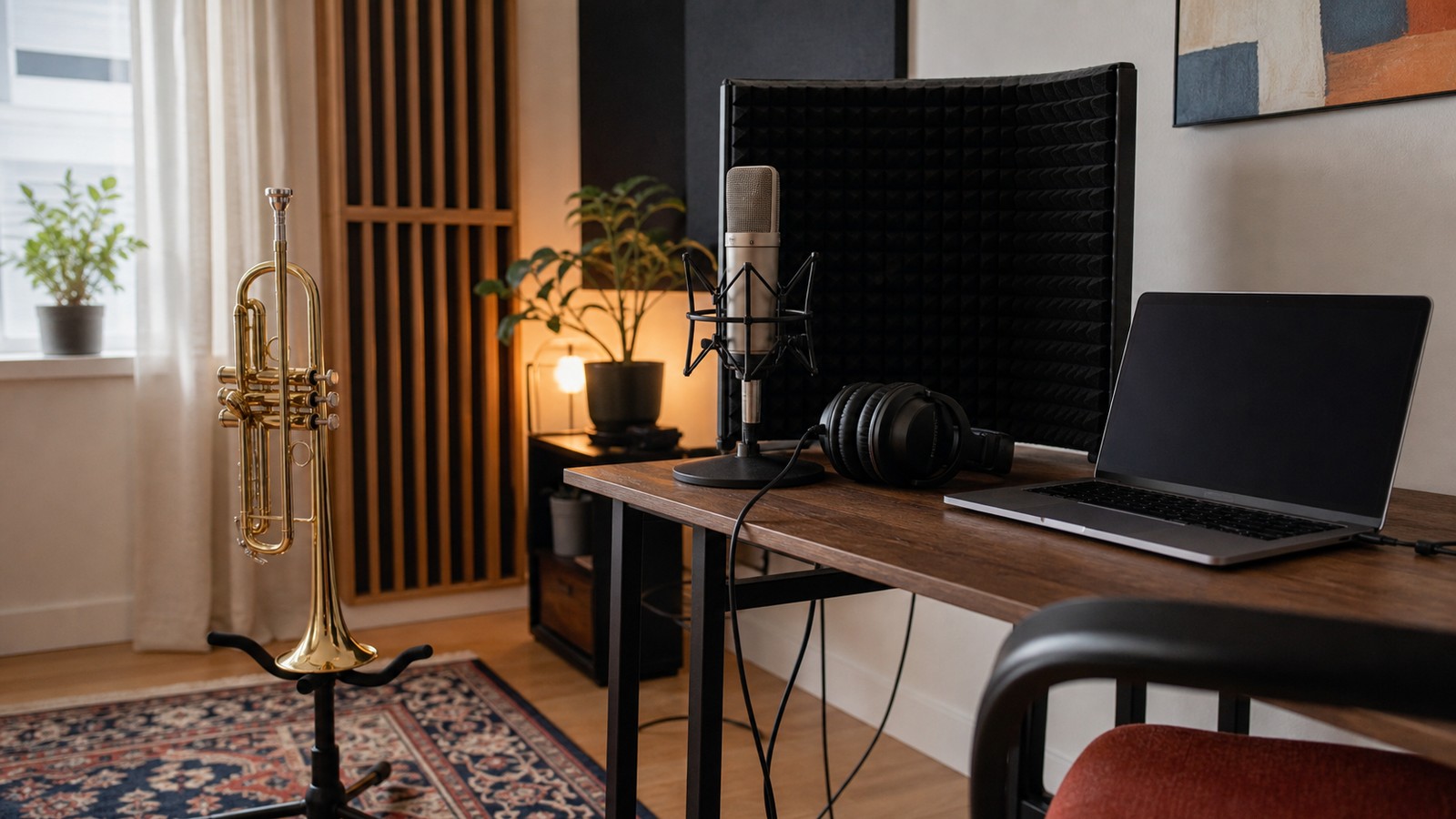
Many players now record from home for remote sessions, demos, lessons, and content projects. In that setting, the trumpet has to behave well in a room that may not flatter brass. A horn with a balanced tone is easier to place with modest microphones and basic acoustic treatment.
Home recording also teaches honesty. Players hear water-key noise, hard attacks, uneven pitch, and tone spread without the excitement of a live room. That feedback can guide both equipment choices and practice habits.
Choosing for Multiple Engineers
A studio trumpet may pass through different microphones, rooms, engineers, and mixes. The safest choice is usually a horn that gives a strong, clean source signal. Engineers can shape that sound, but they cannot easily rescue unclear pitch, noisy mechanics, or a tone that is harsh before processing begins.
Players should listen to how the trumpet records in dry and reverberant settings. A sound that works only with heavy effects may be less versatile than one that already feels balanced when dry. The dry recording is the raw material for every later decision.
This is why studio selection is practical. The horn should give the player and the recording team useful options. A trumpet that sounds good in several contexts is more valuable than one that only shines under ideal conditions.
Session Readiness Is the Real Test
Before calling a trumpet the best choice for recording, ask whether you would trust it on a deadline. Could you play soft, loud, muted, repeated, and exposed phrases without worrying about valves, pitch, or tone edge? That practical confidence matters more than any single specification. A recording horn earns its value when it lets the player focus on the cue instead of the equipment. The microphone rewards that kind of steady trust during real sessions and careful home recording for demanding projects with repeatable musical confidence across every take recorded professionally.