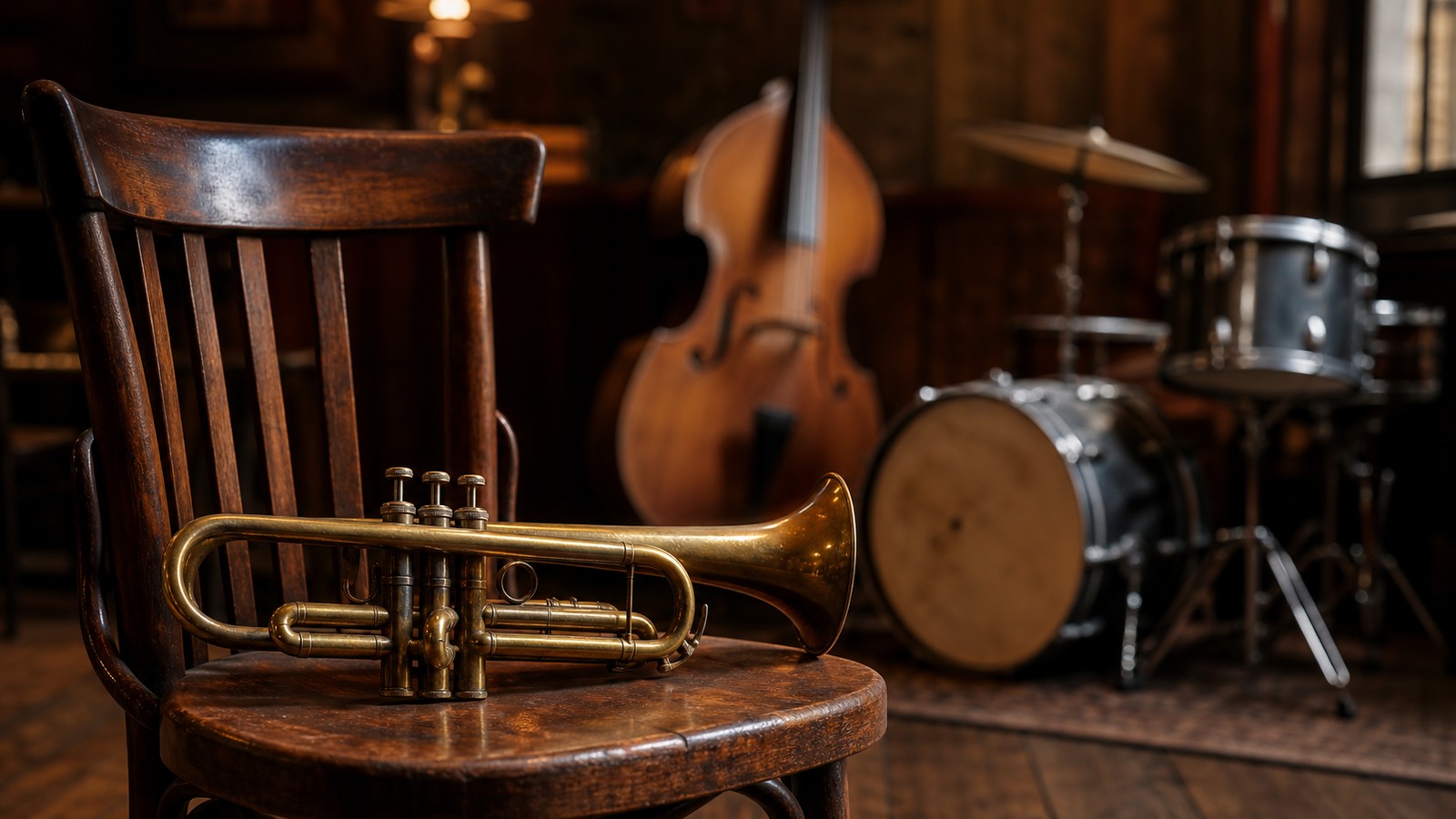
Trumpet Valves Give a Simple Instrument a Full Set of Notes
Trumpets have three valves because those valves redirect air through extra tubing, lowering the pitch in controlled steps and giving the player access to the notes needed for scales, melodies, and ensemble music. Without valves, a trumpet could play only a limited set of natural notes based on the player's lips and air. Each valve adds a different length of tubing, and valve combinations create additional pitch changes. The system is compact, reliable, and flexible enough for beginner songs, orchestral lines, jazz solos, and advanced technique. Understanding the valves helps beginners see that fingerings are not random; they are a practical map of tube length and pitch.
A: They redirect air through extra tubing to lower the pitch.
A: Three different tubing lengths create enough combinations for chromatic playing.
A: Yes, the lips and air choose different harmonics on the same tubing length.
A: Some valve combinations need careful listening or slide adjustment.
A: They make notes available, but the player still needs air, ears, and practice.
A: Rhythm and airflow are interrupted, so the valve should be cleaned or oiled.
A: They adjust pitch on notes that naturally need tuning help.
A: They should learn fingerings through scales, songs, and repeated patterns.
A: They follow similar principles, though instruments and valve designs can differ.
A: More pressed tubing means a longer air path and a lower pitch.
The Trumpet Before Valves
Early trumpets did not have modern valves. Players could change notes mainly by adjusting the lips, air speed, and natural harmonic series of the instrument. That allowed fanfares and certain melodic patterns, but it did not provide every note needed for modern music.
Valves changed the instrument by giving players a way to lengthen the air path instantly. More tubing lowers pitch, so each valve became a controlled shortcut to a new pitch area. This made the trumpet far more flexible without making it too large to hold.
The modern three-valve layout is a balance between simplicity and range. It gives enough combinations for chromatic playing while keeping the instrument manageable for the hands.
How a Valve Changes Pitch
When no valve is pressed, air travels through the trumpet's main open path. Pressing a valve sends the air through an added loop of tubing before it returns to the main instrument. Because the air has farther to travel, the pitch becomes lower.
What Each Valve Does
The second valve lowers pitch by the smallest common step. The first valve lowers it more, and the third valve lowers it more than the first. Beginners do not need to memorize the physics immediately, but they should know that each valve adds a specific length of tubing.
Those different lengths are why valve combinations work. Pressing two valves adds two tubing loops, creating a larger pitch drop. Pressing three valves creates an even longer path.
Why Three Valves Are Enough
Three valves create seven basic tubing options: open, each single valve, each two-valve combination, and all three valves together. Combined with lip control across the harmonic series, those options let the trumpet play chromatic scales through its usable range.
Adding more valves would increase complexity, weight, and maintenance. Some brass instruments use four valves for extended low range or tuning help, but the standard trumpet does not need that for most music. Three valves give a strong balance for the instrument's role.
This is why the layout has lasted. It is simple enough for beginners to learn and powerful enough for professionals to use at the highest level.
Fingerings Are Not Arbitrary
A fingering chart may look like a memorization puzzle at first, but it follows the logic of tube length. Notes that need a small pitch change often use the second valve, while larger changes use first, third, or combinations. The pattern becomes clearer with scales.
The Role of the Lips
Valves do not choose every note by themselves. The lips and air select notes within the instrument's natural harmonic series, while the valves shift that series lower. This is why the same fingering can produce multiple notes.
Beginners sometimes find this confusing. They press the correct valves but get a different note because the embouchure, air speed, or listening target is not settled. That is normal and improves with long tones and simple lip slurs.
Why Some Notes Share Fingerings
Many trumpet notes share fingerings because the instrument can sound different harmonics on the same tube length. The player changes the note with embouchure and air while the fingering sets the tubing. This is one reason ear training matters so much.
Shared fingerings are not a mistake in the chart. They are part of brass design. A beginner who learns to hear the target pitch will navigate these overlaps more confidently.
Teachers often use simple slur exercises to connect this idea physically. The student keeps the same fingering and learns that air and lips can move between notes.
Tuning and Valve Slides
Some valve combinations are naturally less perfectly in tune than others. The third valve slide and sometimes the first valve slide help players adjust certain notes. This is why advanced players move slides while playing, even though beginners may not do it right away.
Piston Valves and Daily Care
Trumpet valves are usually piston valves that move up and down inside casings. They need to stay clean, aligned, and lightly oiled. A sticky valve can interrupt rhythm and make the instrument feel much harder than it really is.
Beginners should learn basic valve care early. Oil the valves as instructed, press them straight down, and avoid forcing parts if something feels wrong. Good maintenance keeps the valve system reliable.
Learning Valve Combinations
The best way to learn valve combinations is through scales, short melodies, and repeated patterns. Memorizing a chart helps, but playing the fingerings in rhythm makes them useful. Slow practice builds coordination before speed.
Students should say note names, finger silently, and then play. Separating those steps can reduce confusion. Over time, the fingers begin to move automatically because the ear and hand have practiced together.
Accuracy matters more than rushing. A clean slow fingering habit becomes a fast habit later.
Why Valves Matter Musically
Valves let trumpet players move beyond simple fanfare notes into melodies, harmonies, chromatic lines, and expressive solos. They make the instrument flexible enough for classical music, jazz, pop, Latin styles, theater, and school band repertoire.
The Beginner Takeaway
Trumpets have three valves because three carefully chosen tubing lengths, combined with the player's lips and air, create a practical full-note system. The valves are not magic buttons, but they are beautifully efficient tools.
Once beginners understand that each valve changes tube length, fingerings become less mysterious. The chart becomes a map, and practice becomes the process of connecting that map to sound.
Why Not Use Keys Like a Woodwind
Woodwind instruments use keys to open and close holes along the body of the instrument. Trumpets work differently because the player buzzes the lips into a continuous tube. Adding valves to change tube length fits brass acoustics better than covering holes along the trumpet's tubing.
The trumpet still needs the player's ear and embouchure. A woodwind key often defines a note more directly, while a trumpet fingering creates a tube length that can support several notes. This is why brass players learn to hear the target pitch before playing.
That difference can surprise beginners who come from piano or recorder. The trumpet is partly mechanical and partly physical. The valves provide options, and the player supplies the final note choice.
Why Valve Order Matters
The valves are arranged so the fingers can operate them quickly and consistently. The index, middle, and ring fingers each control one piston. Good hand position keeps the motion clean and prevents sideways pressure from slowing the valves.
Alternate Fingerings
Some notes can be played with more than one fingering. These alternate fingerings may help with tuning, technical passages, or awkward transitions. Beginners usually learn the standard fingering first, then add alternatives when the teacher introduces them.
Alternate fingerings show that valves are a flexible system rather than a single rigid code. The best fingering can depend on tempo, pitch, and what comes before or after the note.
How Valves Changed Trumpet Music
Valves helped the trumpet move beyond ceremonial signals into more melodic and chromatic writing. Composers could ask for smoother lines, more key changes, and passages that would have been difficult or impossible on earlier natural trumpets.
This change expanded the trumpet's role in orchestra, band, jazz, and popular music. Players could still deliver brilliance, but they could also handle detailed melodies and harmonies.
Modern students inherit that design every time they play a scale. The three valves represent a major step in brass history, even when they feel ordinary in a beginner lesson.
Troubleshooting Valve Confusion
If a beginner presses the right valves and gets the wrong note, the problem may be the harmonic, not the fingering. Slow the exercise down, sing or hear the target pitch, and try again with steady air. The hand and ear need to learn together.
Practical Practice Plan
Start with a small set of notes and learn how each fingering feels. Add one scale, then one melody using those notes. Keep the valves moving straight down and listen for whether every note speaks clearly.
After that, connect valve practice to rhythm. A correct fingering that arrives late still disrupts the music. Slow, accurate valve movement in time is the habit that becomes fast later.
What Beginners Should Notice
Beginners should notice that valves and lips share responsibility. If the valves are correct but the note is wrong, the player may be aiming at the wrong harmonic. If the lips are ready but the valve changes are late, the melody still sounds messy. Both systems have to cooperate.
This is why trumpet practice includes long tones, slurs, scales, and songs. Each activity trains a different piece of the same puzzle. The valves are mechanical, but music happens only when the hand, air, and ear agree.
Understanding that partnership makes mistakes less mysterious. A wrong note becomes a clue instead of a reason to quit.
Why the System Feels Elegant
Three valves give the player a compact way to reach many notes without covering holes, changing crooks, or using a much larger mechanism. The design is efficient enough for beginners and responsive enough for advanced players. That elegance is easy to miss because the valves are so familiar.
Final Valve Summary
Trumpets have three valves because three tubing lengths, used alone and in combination, create the practical pitch changes the instrument needs. The player's lips then select the correct harmonic within those tube lengths.
For beginners, the lesson is encouraging: fingerings are learnable, valve care is manageable, and the system has a clear reason behind it. The more a student understands that reason, the less random the trumpet feels. A fingering chart stops being a set of isolated commands and becomes a picture of how the instrument changes length. That understanding does not replace practice, but it makes practice smarter. Students who know what the valves are doing can troubleshoot wrong notes, ask better questions, and connect mechanical movement to musical sound. Over time, the hand starts to move with the ear. That is when the valve system stops feeling like hardware and starts feeling like part of the music. The three valves become a practical doorway into melodies, scales, confident ensemble playing, and a clearer understanding of brass design in daily practice. That understanding can make the first fingering chart feel less like memorization and more like a map of sound, breath, motion, musical direction, listening, and steady progress across every beginner exercise and future warmup routine.