Travel-Friendly Trombones Start With the Case, Not the Brochure
The best compact and travel-friendly trombones are the ones that make real transportation easier without turning practice or performance into a compromise. Players often imagine a travel trombone as a tiny miracle instrument, but portability is usually a whole system: horn size, case shape, slide protection, weight, repair access, and how the instrument will actually be used. A commuter student, pit musician, airline traveler, cruise performer, teacher, and casual practice traveler may all need different solutions. The smartest choice is not always the smallest horn. It is the instrument-and-case setup that arrives safely, plays reliably, and fits the player's travel routine.
A: No. Many players only need a better travel case for their current horn.
A: Some can, but many are better for practice, teaching, backup, or light use.
A: The slide needs the strongest protection because small damage affects playability.
A: They can be convenient, but they require realistic risk assessment and careful handling.
A: A compact case can help, but airline handling remains unpredictable and needs planning.
A: Pack, carry, unpack, assemble, play, repack, and carry again.
A: They can, so intonation should be tested across the normal playing range.
A: Yes, especially when the setup protects the horn and is easy to carry safely.
A: Unusual compact designs can be harder to service when something goes wrong.
A: Safe protection, manageable weight, easy packing, and a horn the player wants to use.
Define the Kind of Travel First
Compact means different things depending on the trip. A student walking across campus may need backpack straps and weather protection. A professional flying to a gig may need a case that survives gate checks or fits within carry-on planning. A teacher driving between schools may care most about quick packing and a manageable case shape.
Start by writing down the actual route. Will the horn ride in a car, bus, train, plane, bicycle trailer, or crowded hallway? The route determines whether the priority is weight, case length, impact protection, or setup speed.
Do Not Sacrifice Slide Protection
The trombone slide is the least forgiving part of any travel setup. A compact case that saves space but lets the slide move, flex, or absorb pressure is not a good travel solution. A damaged slide can ruin the whole trip even if the rest of the horn looks fine.
Consider a Compact Case Before a Compact Horn
Many players do not need a different trombone. They need a better case. A shaped case, carbon-style case, compact hard case, or well-designed gig bag can reduce bulk while keeping the familiar instrument. This is often the safest route for players who already like their horn.
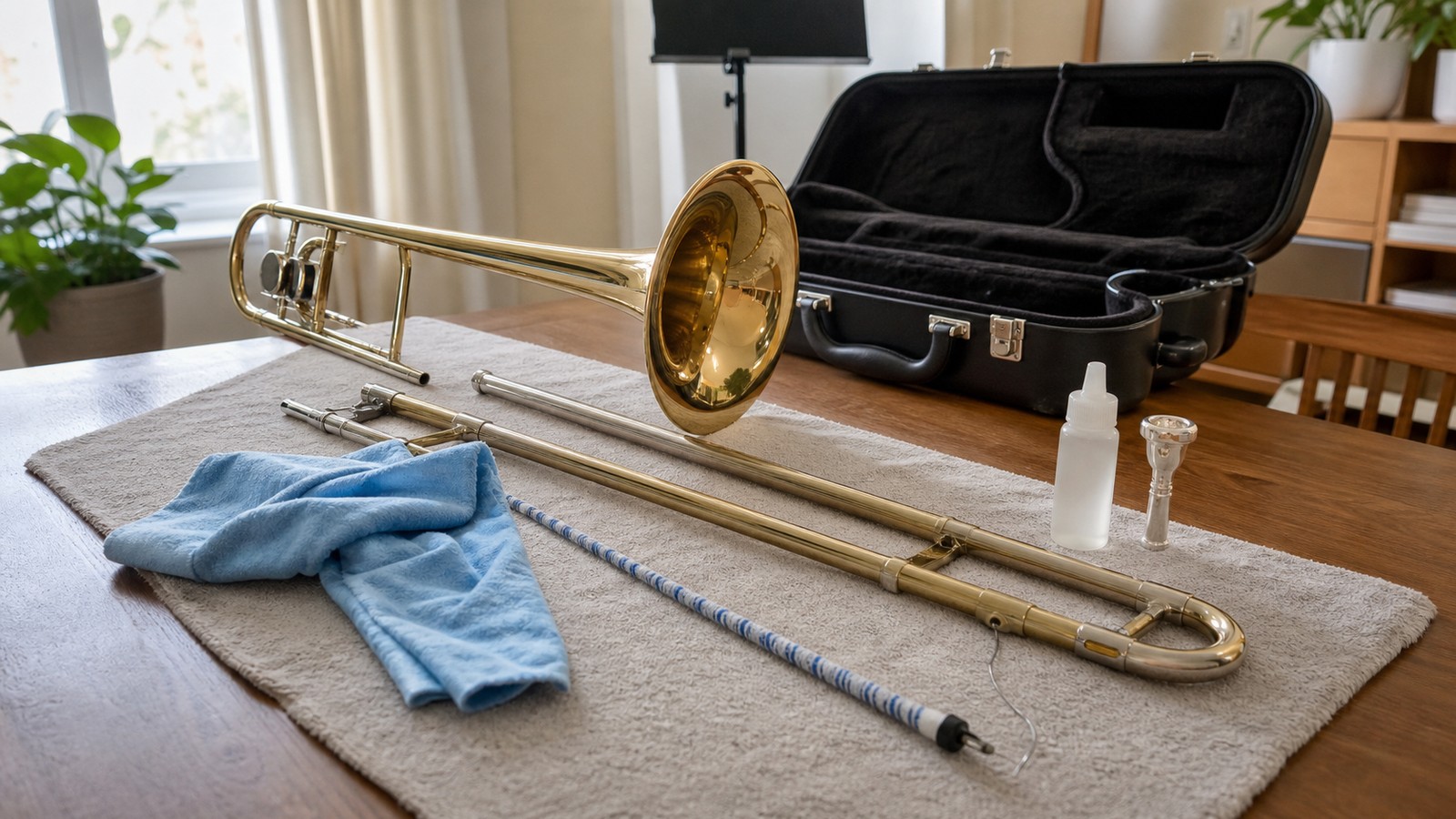
A compact case should still protect the bell, slide, braces, and tuning slide. It should also hold accessories without allowing them to rattle against the instrument. Portability should never mean loose parts bouncing around the case.
Try carrying the loaded case for several minutes. A case that feels fine empty may feel awkward once the horn, mutes, stand, and music are added.
Understand Travel Trombone Compromises
Some compact trombones use shorter configurations, different wraps, plastic bodies, valve layouts, or student-style designs to reduce weight or size. These can be useful for practice, teaching, travel warmups, or informal playing. They may not replace a main performance horn.
The tradeoff may appear in tone, response, intonation, slide feel, or durability. That does not make the instrument bad. It simply means the player should match the compact horn to the job.
Think About Airline Reality
Airline travel is unpredictable. Policies, aircraft size, overhead space, boarding order, and gate staff can all affect whether a trombone case stays with the player. A travel-friendly setup should plan for the possibility that the case may be handled by someone else.
Evaluate Weight Over Distance
A few pounds may not matter from the car to the lesson room, but they matter across a terminal or campus. Backpack straps, handle placement, shoulder balance, and case shape all affect comfort. A slightly larger case that carries well may be more travel-friendly than a smaller case that twists the shoulder.
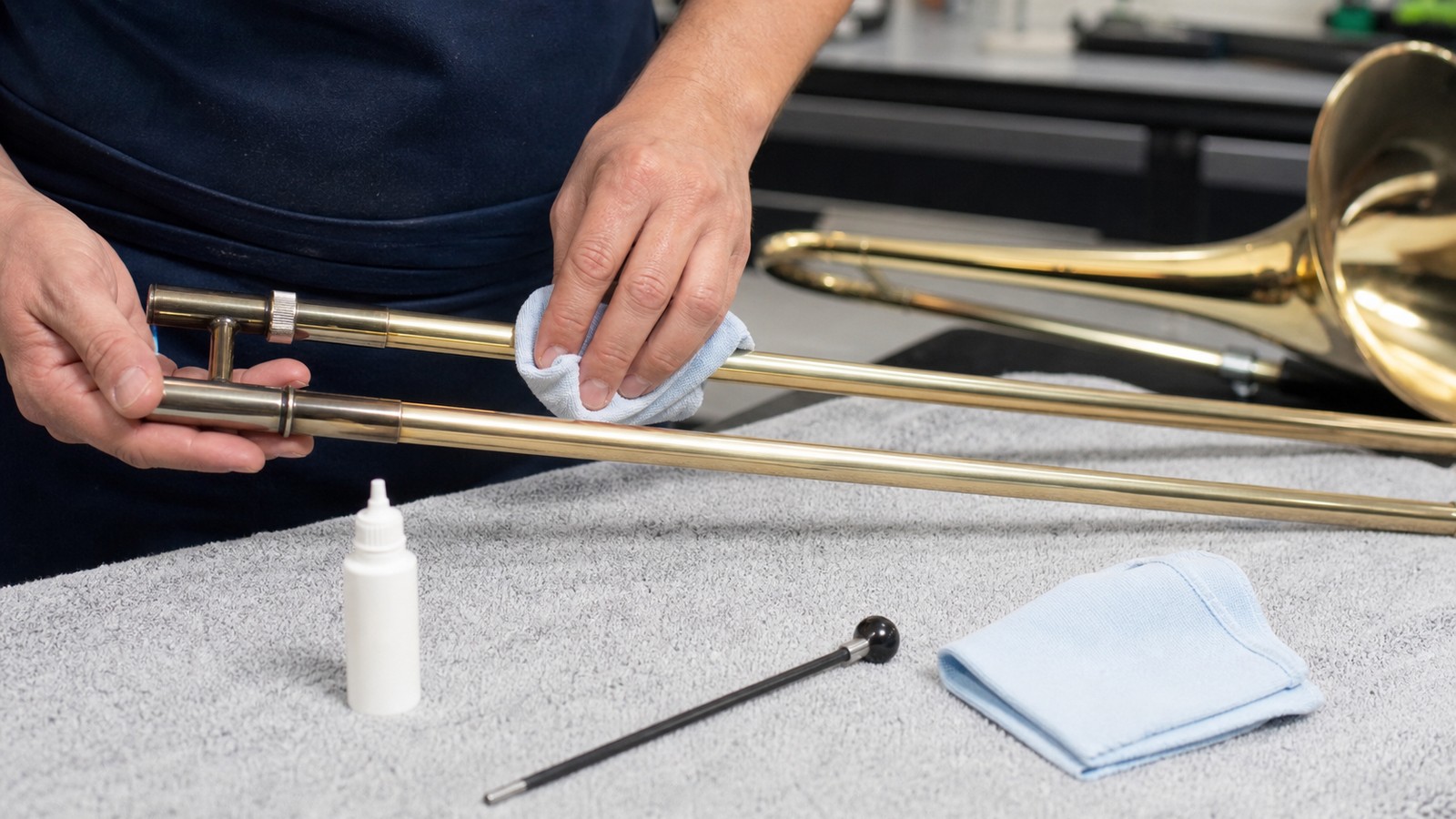
Players should test the setup loaded, not empty. Add the mouthpiece, lubricant, stand, music tablet or folder, and mutes if those normally travel together. Realistic weight prevents false confidence.
Keep Repair Access in Mind
Unusual compact instruments can be harder to service. Before buying a specialty travel horn, ask whether local repair technicians can adjust it, find parts, and handle common problems. A portable instrument is less useful if a small issue becomes impossible to fix.
Standard student or professional trombones in better travel cases often win here. Repair shops already understand the instrument, and the player gets portability without leaving the normal service world.
If a specialty horn is mainly for light practice, repair risk may matter less. If it will be used for paid work, serviceability matters a lot.
Test the Sound You Actually Need
A compact trombone does not need to sound identical to a main horn if its job is hotel-room maintenance or casual lessons. It does need to produce the sound required for its purpose. A travel performance horn has a much higher standard than a quiet practice backup.
Check Setup and Assembly Time
Travel instruments should be easy to set up safely. If the case requires awkward assembly, tight fits, or careful puzzles every time, the player may eventually rush and damage something. Good travel design makes correct packing obvious.
This is especially important in rehearsals, pits, and teaching schedules where time is short. A case that packs quickly and consistently reduces accidents.
Separate Practice Travel From Performance Travel
A compact practice solution can be lighter and less tonally perfect. A performance travel setup needs to protect the player's real sound. Confusing those two purposes leads to disappointment. Decide whether the horn is a practice companion, a backup, or the main instrument for public playing.
Inspect Backpack and Strap Systems
Backpack straps can make a trombone case much easier to carry, but they must be secure. Check stitching, attachment points, padding, and how the case sits on the body. A case that swings low or wide can bump doorways, railings, and other people.
Also consider weather. A backpack case used outdoors should protect against light moisture and dirt. Even if the case is not fully waterproof, it should not invite obvious exposure.
Comfortable straps turn a bulky instrument into a manageable travel companion. Weak straps turn portability into a false promise.
Budget for Accessories
Travel-friendly setups often need accessory changes. A smaller music folder, compact stand, safer mute storage, cloth bags, or a different lubricant container may make the whole system work better. The horn itself is only one part of the load.
Avoid stuffing every accessory into the instrument case unless the case is designed for it. Loose accessories can scratch lacquer, dent tubing, or press against the slide.
Think About Security and Visibility
Travel cases should be easy to identify without placing readable personal information in public view. A discreet tag, distinctive strap, or internal contact card can help. The instrument should also stay within sight whenever possible, especially in airports, schools, and shared backstage spaces.
Avoid Novelty as the Main Reason
A tiny or unusual trombone may be fun, but novelty should not drive an expensive purchase. Ask what problem it solves. Does it fit in a commute? Does it protect the slide better? Does it let a teacher carry less gear? Does it provide usable practice while traveling?
If the answer is vague, a better case or a used backup horn may be more practical. Portability should solve a real problem.
A travel setup earns its keep when the player actually carries it more often and practices or performs with less friction.
Choose the Setup You Will Use
The best compact trombone setup is the one that fits the player's life. A technically impressive case that is annoying to pack will stay at home. A portable horn that sounds uninspiring will not encourage practice. A practical setup should feel easy enough to use on ordinary travel days.
Try the full routine before deciding: pack, carry, unpack, assemble, play, repack, and carry again. That sequence tells the truth. Travel-friendly equipment should make music more available. If it does that without sacrificing safety or sound beyond the intended use, it is doing the job.
Revisit the Setup After Several Trips
The first trip may not reveal everything. After several uses, notice what keeps getting in the way: strap comfort, accessory storage, case balance, slide confidence, or setup time. Small adjustments can make the same equipment much more travel-friendly.
Account for Mutes and Stands
A trombone is rarely the only item traveling. Jazz players may carry several mutes, pit players may need a stand, students may need folders, and teachers may need cleaning supplies. A setup that fits the horn but ignores the rest of the load can still fail in daily use. Portability should be judged with the whole kit, not only the brass.
Accessory choices can shrink the travel problem without changing the horn. A compact stand, padded mute bag, smaller folder, or separate backpack may keep hard objects away from the slide while making the case lighter. That separation often protects the instrument better than stuffing everything into one overloaded case.
Be Honest About Performance Standards
If the compact trombone will be used on stage, it must meet stage expectations. The audience will not care that the instrument was easy to carry if the sound is unreliable, the tuning is unstable, or the response makes the player hesitant. A true performance travel horn has to pass the same musical tests as any other working instrument.
Use a Backup Plan for Important Trips
For important travel, plan what happens if the case is delayed, a slide gets bumped, or a specialty part fails. This might mean knowing local repair shops, carrying essential supplies separately, or arranging a loaner through the destination ensemble. Backup planning sounds excessive until the day it saves a rehearsal.
The more unusual the travel trombone, the more important the backup plan becomes. Standard instruments are easier to borrow, service, and replace temporarily. Specialty compact horns can be excellent tools, but they should not leave the player helpless when something unexpected happens.
Let Portability Improve Practice Frequency
A travel-friendly trombone earns its value when it makes playing happen more often. If the lighter case means the student brings the horn home instead of leaving it at school, the setup is working. If a compact backup lets a professional keep chops moving during a long trip, it is working. If the case is technically clever but still too awkward to carry, the design has not solved the real problem. Judge the purchase by behavior after the excitement fades: more safe transport, more consistent practice, fewer missed playing days, and less worry about damage.
Choose Familiarity for Serious Music
When the trip includes an audition, concert, or paid performance, familiarity becomes part of travel safety. A compact setup should not surprise the player on stage. If the travel horn responds differently from the main horn, rehearse on it enough that the differences are understood before the trip begins.
For serious music, the best travel solution may be a secure case for the normal instrument rather than a smaller horn. Portability matters, but confidence in sound matters too.
Let Convenience Earn Its Place
Convenience is valuable only when it supports music. A compact setup should reduce friction without inviting careless packing, weak tone, or repair risk. If it makes practice and travel easier while keeping the instrument safe, the convenience is real.
Keep the Main Goal Visible
The point of compact gear is not compactness by itself. The point is getting the trombone safely to more useful places while keeping the player confident about sound, setup, and slide protection.
If the setup protects the slide, encourages practice, and lets the player arrive ready to play, it has earned the space it saves.