Turning the Slide Into a Precise Musical Tool
The trombone slide is wonderfully direct. It lets the player shape pitch with continuous motion, connect sounds smoothly, and make musical effects that no valve instrument can copy in quite the same way. That freedom also exposes every habit. A tense shoulder, late movement, dry slide, weak ear training, or careless position memory can make even simple music sound uncertain. Improving slide technique is not about moving farther or faster all the time. It is about moving with relaxed timing, arriving before the sound needs to change, listening for pitch center, and keeping the slide clean enough to respond. When the arm, ear, breath, and instrument maintenance begin working together, accuracy stops feeling like luck and starts feeling like a repeatable skill.
A: It may need cleaning, correct lubricant, dent repair, or better alignment.
A: Use your ear first, then confirm with a tuner, drone, teacher, or recording.
A: A glance can help beginners, but long-term accuracy should rely on feel and sound.
A: Waiting too long, moving with tension, or practicing too fast are common causes.
A: Yes, but they work best after the standard positions are reliable.
A: Yes. It trains smooth travel, steady air, and awareness of the slide path.
A: Follow teacher or maker guidance, and clean whenever movement becomes uneven.
A: Air speed, embouchure, and instrument response shift, so the slide may need adjustment.
A: Slow two-position patterns against a drone are simple and very revealing.
A: Go when cleaning and lubrication do not fix scraping, sticking, or uneven resistance.
Start With Slide Condition
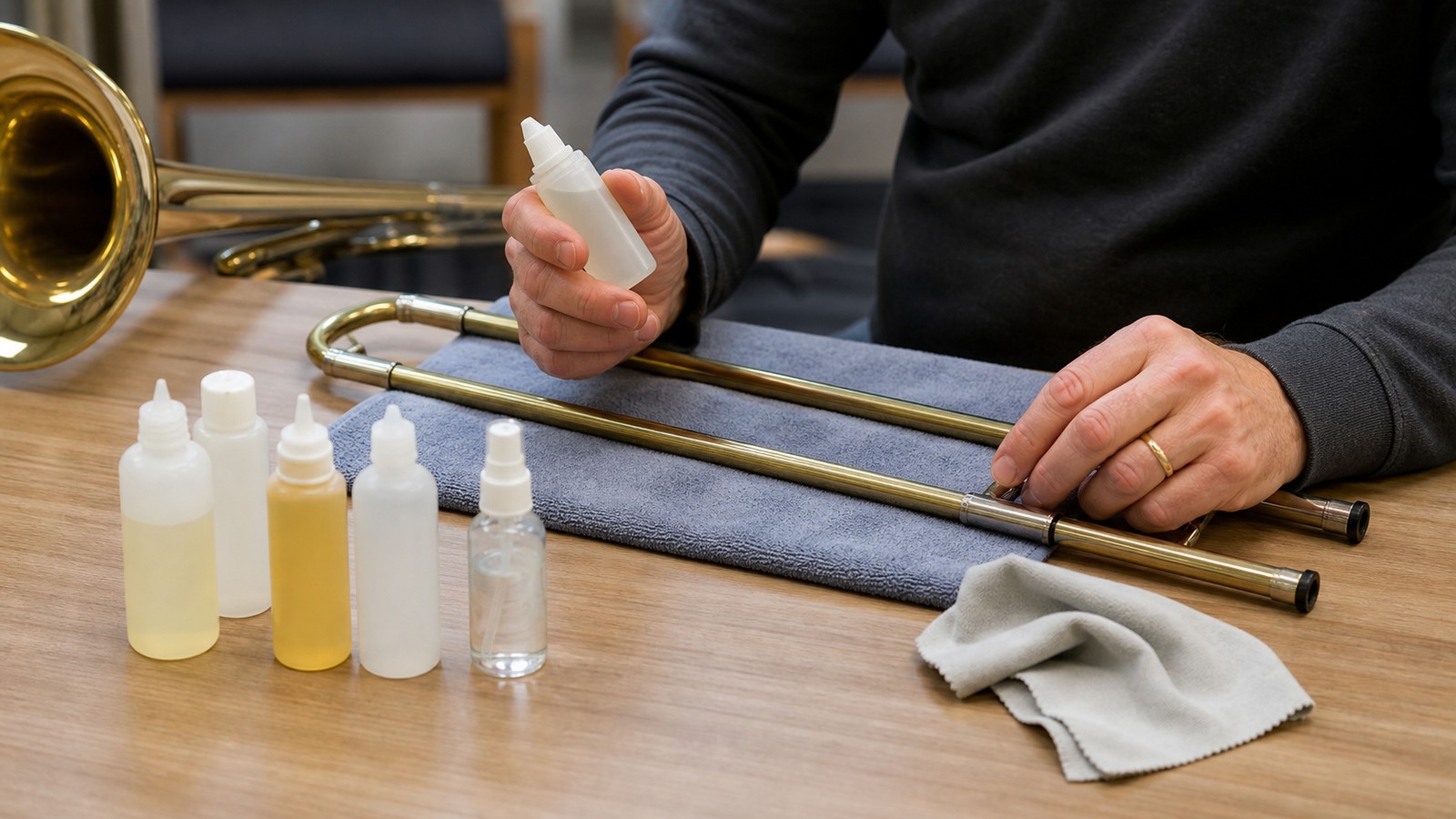
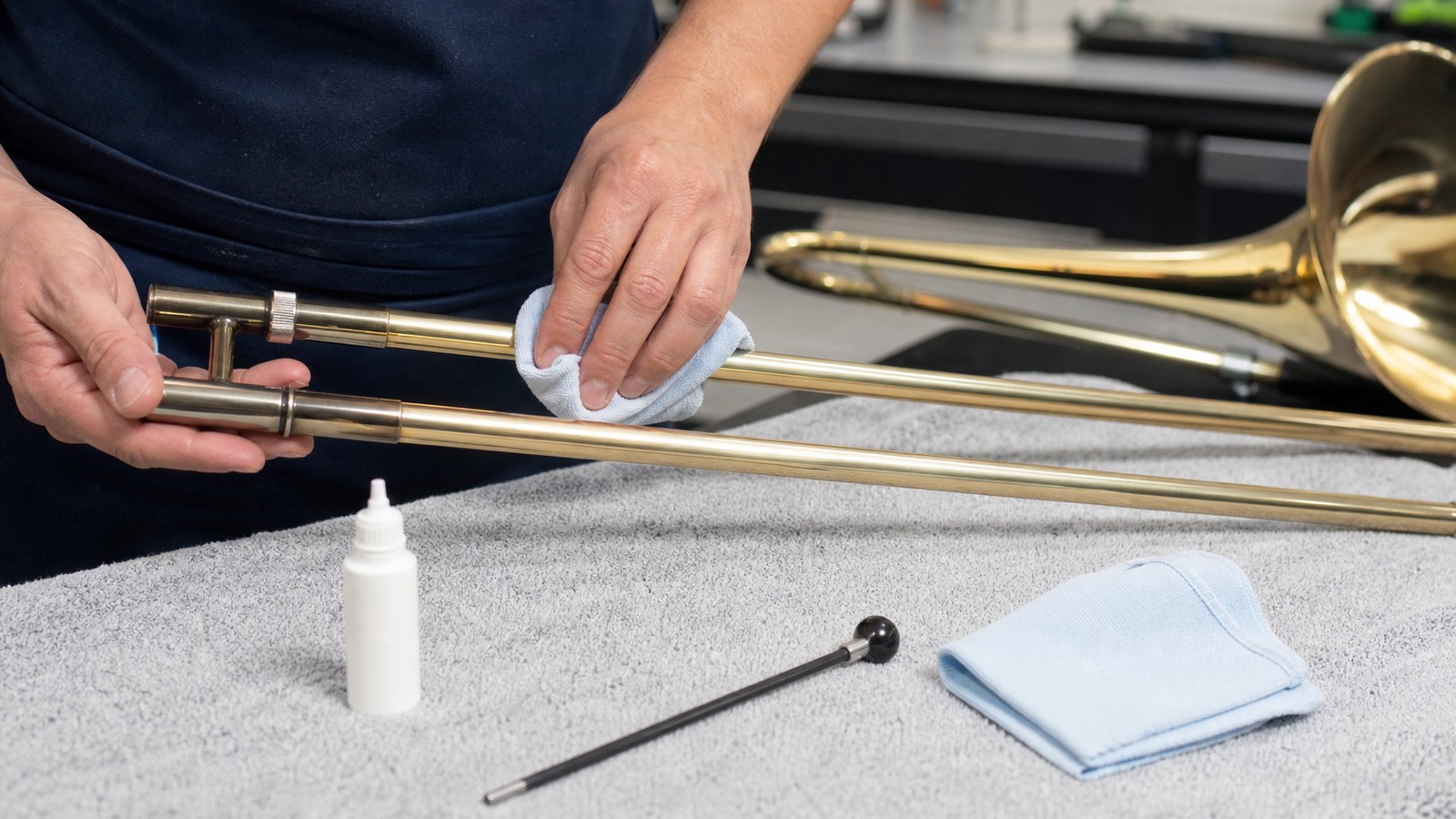
A player cannot build clean slide technique on a dirty, dry, or damaged slide. Before blaming the arm, check whether the handslide moves freely through its full range. It should glide without scraping, catching, or feeling heavy in only one area. If the slide has dents or alignment problems, no amount of practice will fully solve the resistance.
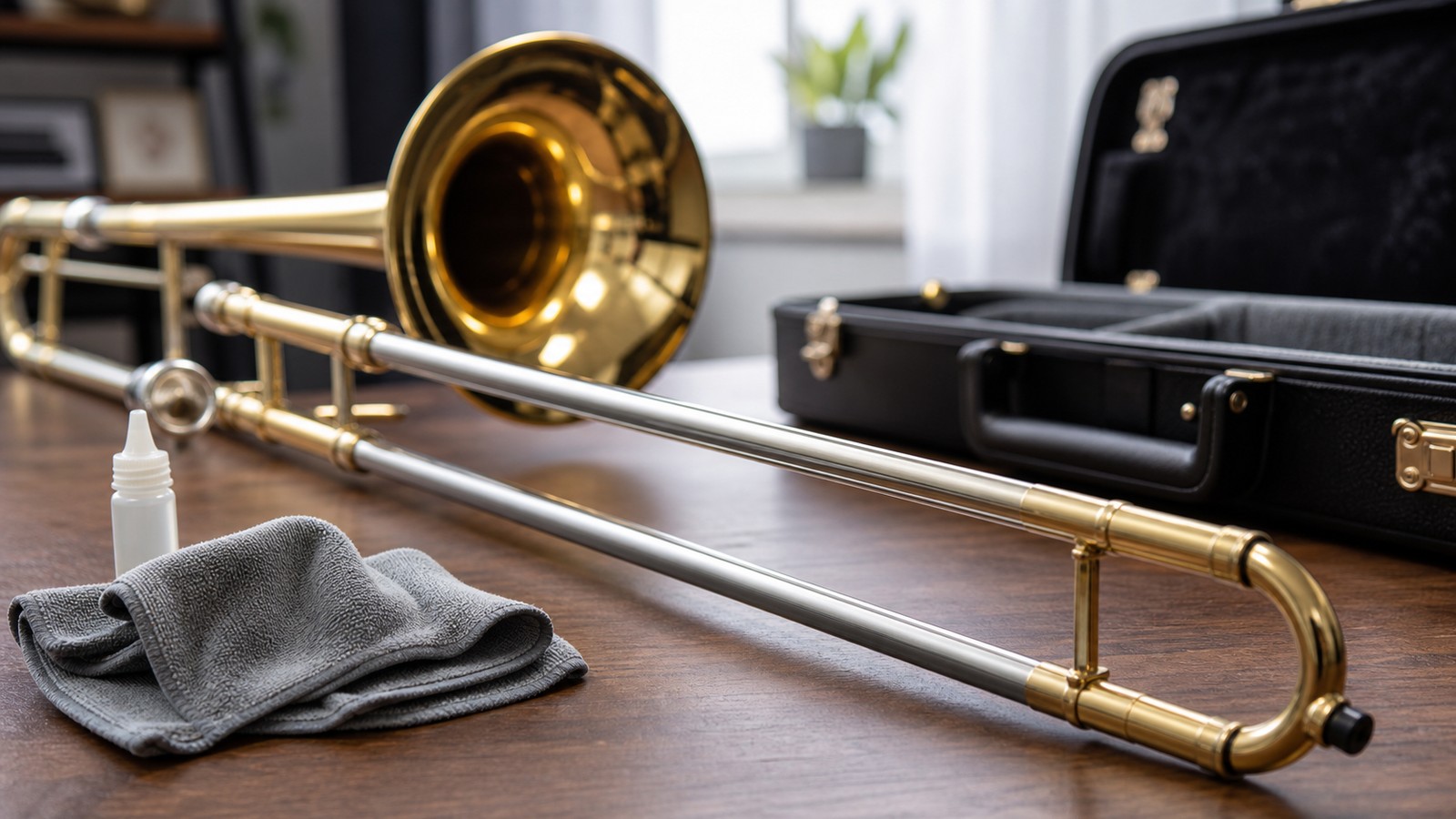
Clean the slide according to the instrument maker's guidance and use the lubricant system recommended by a teacher or repair shop. Too much product can feel as bad as too little. The goal is an even surface that responds immediately without forcing the wrist.
Slide condition also affects confidence. When the instrument responds the same way every day, the player can trust slow technical work. When the slide grabs unpredictably, the body begins to protect itself with tension. That tension then becomes part of the technique unless the mechanical problem is fixed.
Relax the Grip and Shoulder
Many accuracy problems begin with tension before the slide moves. The right hand should guide, not grab. A rigid wrist makes quick changes clumsy, and a raised shoulder shortens the reach to farther positions. Keep the elbow free, the wrist easy, and the fingers light enough that the slide can travel in a straight path.
The left hand matters too because it stabilizes the instrument. If the bell section wobbles every time the slide moves, positions become moving targets. Support the horn firmly with the left hand so the right arm can stay relaxed.
Know Positions as Zones
Slide charts are useful, but they can make positions look more exact than they really are. First through seventh positions are physical areas that change slightly based on instrument tuning, register, volume, and harmonic context. A perfectly memorized distance still needs listening.
Practice each position slowly with a reference pitch or tuner, then notice how the correct spot feels. Avoid staring at the slide. The visual cue helps at first, but reliable accuracy comes from connecting sound, arm distance, and body memory.
It can help to think of each position as having a center and edges. Some pitches sit near the normal center, while others need small adjustments because of tuning tendencies. This is why two pitches using the same printed position may not belong in exactly the same physical spot.
Move Early, Not Frantically
Good slide players do not wait until the last instant and then lunge. They prepare motion so the slide arrives in time for the next pitch. In slow music, this may feel like graceful travel. In faster music, it may feel like efficient shortcuts between nearby positions.
Practice moving during the space between sounds. If every change feels late, reduce the tempo and exaggerate early arrival. The slide should not crash into position at the same moment the tongue starts the next pitch.
Use the Ear as the Final Ruler
The ear is the real accuracy tool. A player who knows the sound of the next pitch can correct distance before the tuner tells them. Sing a passage, buzz it if helpful, then play it slowly. This creates a pitch target before the arm moves.
Drone practice is especially useful because it trains pitch relationships instead of isolated tuner readings. Play scales, arpeggios, and simple melodies against a steady reference tone. Listen for waves, beats, or discomfort in the sound, then adjust the slide calmly.
Do not confuse constant adjustment with insecurity. Professional trombonists adjust all the time; they simply do it smoothly and musically. The goal is not frozen positions but controlled pitch.
Practice Slow Glissando Control
Glissando work can reveal whether the slide path is straight and relaxed. Move slowly between two positions while keeping the air steady. The sound should connect without bumps caused by grip changes, breath collapse, or shoulder tension.
After slow glissandos, practice clean separated changes between the same positions. This teaches the arm to travel smoothly even when the music does not want an audible slide. The player learns both connection and precision.
Build Alternate Position Awareness
Alternate positions can reduce awkward travel and improve tuning in certain passages. They should not become shortcuts for avoiding fundamentals, but they are part of mature trombone playing. A teacher can show when an alternate position makes a phrase smoother or better in tune.
Train Speed in Small Bursts
Speed grows from clean motions repeated in short groups. Choose two positions, set a slow pulse, and move between them with perfect timing. Then add a third position. If accuracy falls apart, the tempo is too fast or the motion is too large.
Fast slide technique often depends on minimizing extra movement. Keep the slide path straight, avoid overreaching, and use relaxed rebound rather than muscular force. The arm should feel coordinated, not dramatic.
Record short exercises to catch late arrivals. A player may feel accurate while the recording reveals clipped starts or scooped pitch. That feedback can be more honest than memory.
Match Articulation to Slide Motion
Tonguing and slide movement must agree. If the tongue starts before the slide arrives, the pitch speaks in the wrong place. If the slide moves after the air changes, the line sounds smeared even when the player intended clean articulation.
Practice slurred versions of a line first to feel the slide route, then add tonguing. This helps the arm learn the path without the distraction of attacks. After that, restore the written articulation with the same relaxed movement.
Keep Accuracy Musical
Slide accuracy is not a mechanical contest. The point is to make phrases sound confident, centered, and expressive. Some musical moments require exact clarity, while others allow a tasteful connection between pitches. Technique gives the player choices.
A useful practice routine might include slide maintenance, slow position checks, drone tuning, glissando control, short speed bursts, and one real musical phrase. That mix keeps accuracy tied to sound instead of turning practice into arm calisthenics.
When progress feels slow, remember that the slide is teaching the ear and body at the same time. Patience pays off. The more reliable the motion becomes, the more the trombone feels like a voice rather than a guessing game.
A Weekly Slide Practice Plan
A practical week might rotate focus instead of trying to fix everything every day. One session can emphasize maintenance and slow position checks, another can use drones and scales, and another can focus on articulation timing. The variety keeps practice fresh while still returning to the same fundamentals.
Taking Better Slide Work Into Rehearsal
Rehearsal tests whether practice habits survive real music. Mark passages with awkward travel, circle pitch spots that clash with the ensemble, and write simple reminders such as early slide or relax shoulder. These cues should be short enough to read while playing.
Section listening is especially important. A trombonist may be accurate against a tuner and still need adjustment inside a chord. Learn which part of the chord you are playing and whether your pitch should lock with the bass, match another trombone, or support a moving inner line. That kind of awareness turns slide technique into ensemble musicianship.
What Improvement Should Feel Like
Better slide technique usually feels calmer before it feels faster. The player stops grabbing, arrives with less drama, hears pitch sooner, and notices when maintenance is overdue. Speed then grows from trust rather than force.
The clearest sign of progress is consistency. If the same passage lands more reliably across several days, the arm and ear are learning together. Keep the routine patient, specific, and musical, and the slide will become less of a problem to manage and more of a tool for expression.
Accuracy is never finished, even for advanced players. Different rooms, ensembles, mutes, dynamics, and registers keep asking for adjustment. That is part of the trombone's personality. The goal is to become comfortable enough with that flexibility that it feels creative instead of stressful.
Working With a Teacher or Section Leader
Outside feedback can save weeks of guessing. A teacher or experienced section leader can see whether the slide path is crooked, the left hand is unstable, or the shoulder rises before long reaches. They can also hear whether pitch problems come from slide placement, air support, embouchure tension, or a mechanical issue with the instrument.
Measuring Progress Without Obsessing
A tuner, recording, or practice journal can be useful, but only when it supports listening. Track one small goal at a time: cleaner second-to-fourth movement, steadier pitch against a drone, or fewer late arrivals in a difficult measure. Too many metrics can make practice anxious.
Record the same short passage once a week. Do not judge only the first mistake. Listen for whether the slide motion sounds calmer, whether attacks start closer to pitch, and whether corrections happen sooner. Those are signs of real progress even before speed increases.
Final Slide Accuracy Takeaway
Great slide technique is a partnership between a healthy instrument, relaxed movement, and an active ear. Leave out any one of those pieces and accuracy becomes unstable. Put them together and the player gains control without stiffness.
The most useful practice is specific. Clean the slide, choose a small pattern, use a reference pitch, move early, and listen after every attempt. Then apply the same idea to actual music so technique does not stay trapped in exercises.
The slide is one of the trombone's greatest advantages. It can frustrate beginners, but it also gives the instrument its voice-like flexibility. With patient work, accuracy becomes less about finding positions and more about shaping sound with intention.
The Long-Term Payoff
Accurate slide work eventually gives the player freedom. Instead of worrying about every distance, the trombonist can think about phrase shape, color, balance, and emotion. That freedom comes from thousands of small, careful movements practiced with honest listening. It is slow work, but it changes the entire feel of the instrument. The slide begins as a challenge because it exposes uncertainty. Later, that same openness becomes the reason the trombone can sound so flexible, human, and expressive in careful hands. That payoff is worth patient daily work, careful maintenance, and the humility to keep listening. Progress comes from that patience and from repeating simple work with real attention in every practice room. The player earns freedom by making accuracy dependable first.