Two Brass Paths With Very Different Feels
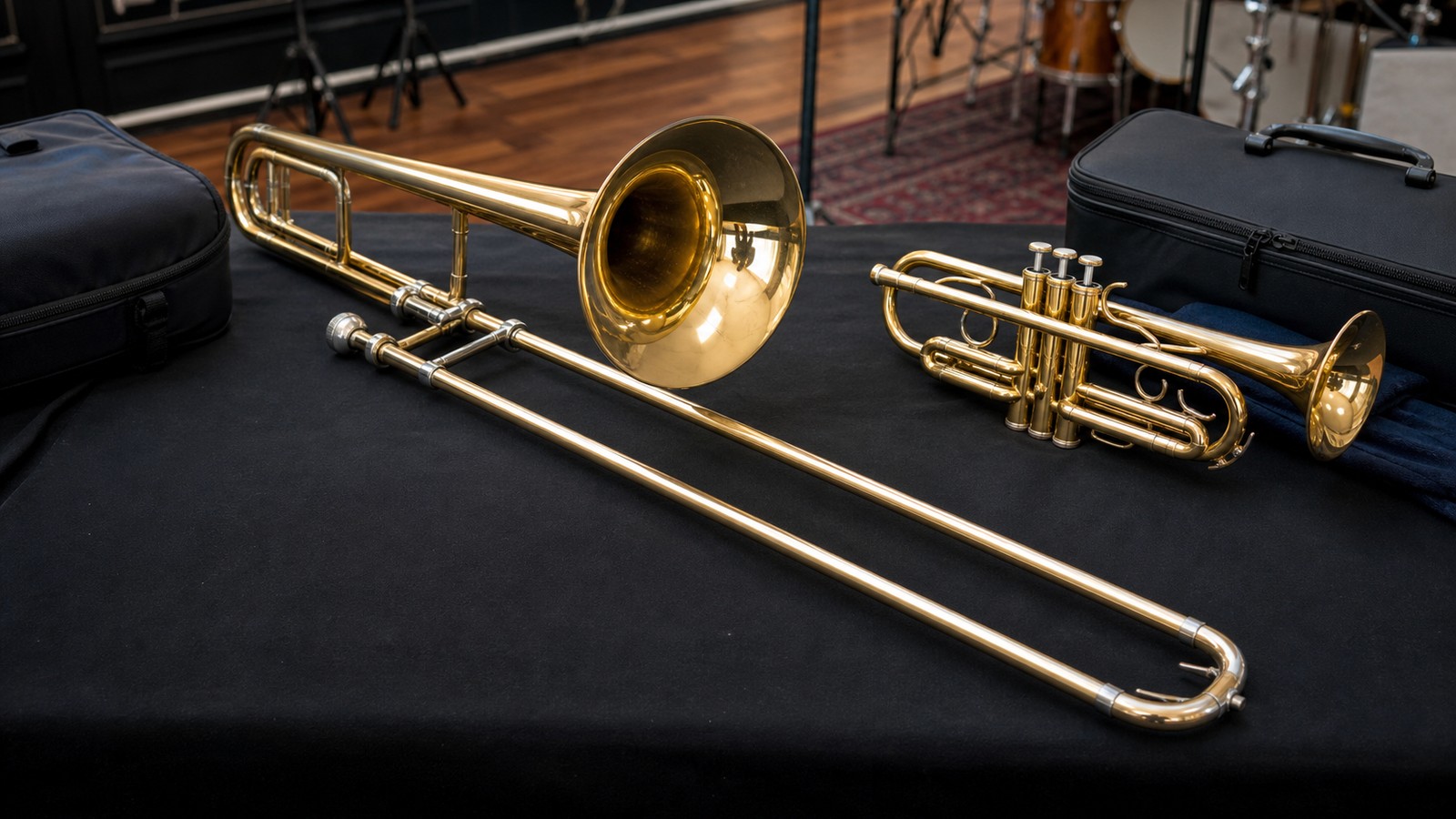
Trombone and trumpet both belong to the brass family, but they ask different things from the player. The trumpet is compact, bright, agile, and built around three valves. The trombone is longer, broader in sound, and shaped around a moving slide that gives the player direct control over pitch. Neither instrument is automatically easier for everyone. The better choice depends on the player's body, musical taste, patience for pitch accuracy, desired sound, and the kind of ensembles they hope to join. A student who loves bold melodies and quick valve patterns may feel at home on trumpet, while a player drawn to rich low harmonies, glissandos, and a more physical slide motion may prefer trombone. The real decision is not which instrument is better, but which one makes the player want to practice.
A: Trumpet is easier to hold, while trombone can be easier for some players to sound at first.
A: Trumpet often fits smaller bodies more easily, but a teacher should still test both.
A: It requires very active listening because the slide gives continuous pitch control.
A: Trumpet often receives more lead lines, though trombone has important melodies too.
A: They are often similar, but trombone slide damage can be especially disruptive.
A: Yes. Brass breathing, rhythm, and listening skills transfer well.
A: Both can be loud; trumpet tends to cut through, while trombone adds broader power.
A: Both are central to jazz, with trumpet often leading and trombone adding section color.
A: Yes. Local ensemble parts, marching policies, and teacher support all matter.
A: Try both instruments and choose the one that makes practice feel inviting.
How the Sound Differs
Trumpet usually has a brighter and more penetrating sound. It often carries melodies, fanfares, lead lines, and high-energy parts in band, jazz, orchestra, and popular music. Even when played softly, the trumpet has a compact presence that can cut through an ensemble.
Trombone has a broader and more vocal quality. It can sound noble, warm, comic, powerful, or smooth depending on the player and style. In ensembles, trombones often support harmony, reinforce bass motion, answer melodies, and create dramatic swells that feel different from trumpet brilliance.
Valves Compared With a Slide
The trumpet changes pitch by pressing valves that redirect air through extra tubing. This makes fingering patterns compact and fast, but it also means the player must learn valve combinations and lip adjustments for tuning. The trombone uses slide positions, so the arm physically places the pitch. That can feel intuitive to visual learners, but it demands careful listening because there are no buttons locking the distance in place.
For beginners, trumpet fingerings may seem simpler at first because the instrument is small and the valves are close together. Trombone positions can look less exact because the slide moves continuously. Over time, both instruments require fine pitch control. The trumpet player adjusts with air, embouchure, and alternate fingerings, while the trombone player adjusts with tiny slide shifts.
This difference affects how practice feels. Trumpet students often drill finger patterns, articulation, and range endurance in compact motions. Trombone students spend more time connecting the ear to larger physical distances. A player who likes tactile movement may find the slide satisfying, while a player who likes quick finger coordination may enjoy the trumpet sooner.
Physical Comfort and Size
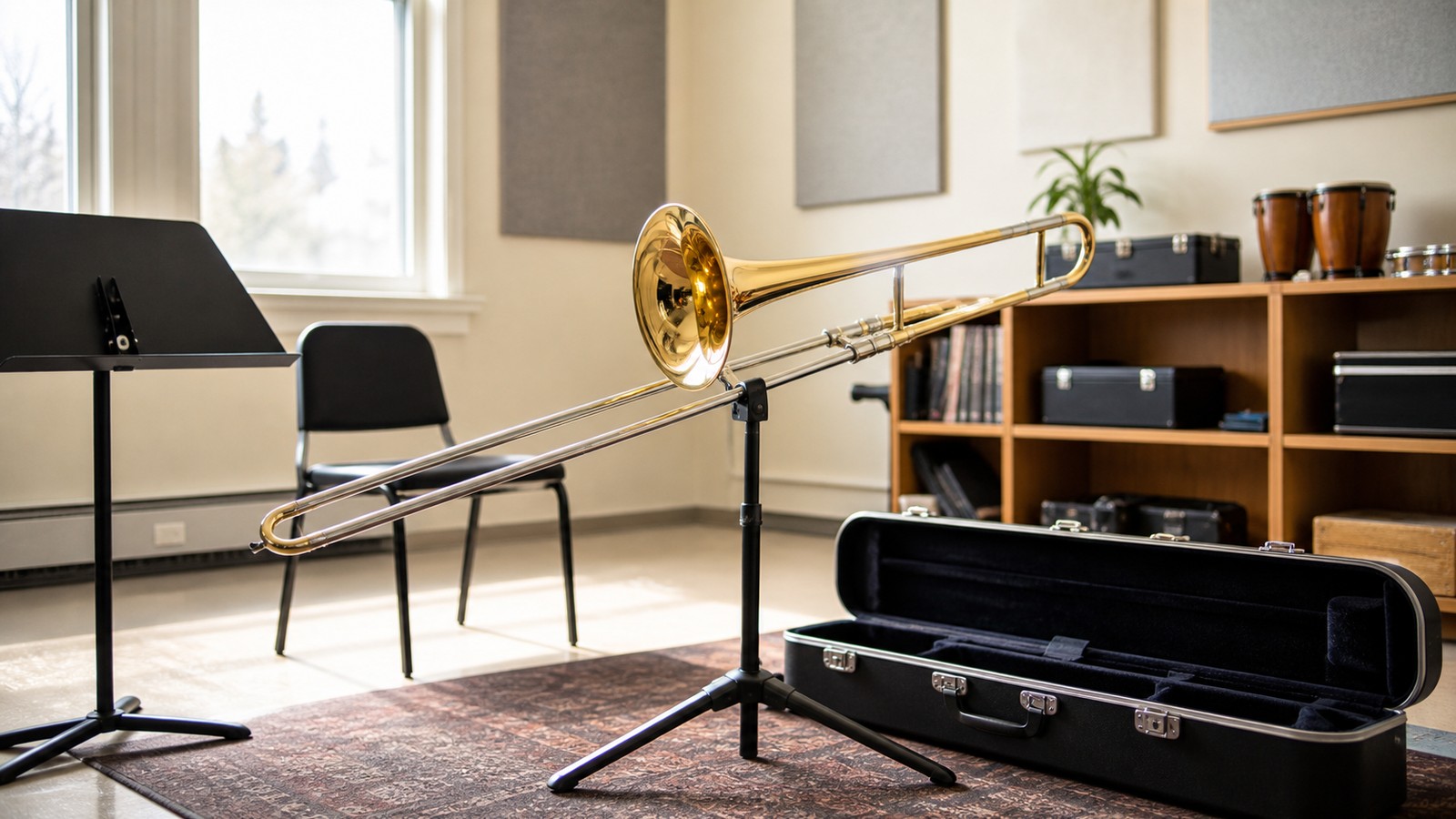
Trumpet is easier to carry and store. Its compact shape suits smaller students, crowded buses, and quick setup. The challenge is not weight but endurance, because the embouchure must manage a higher, more focused range.
Trombone is larger and needs more arm reach. Some younger players can handle it comfortably, while others struggle with sixth and seventh positions until they grow or learn alternate strategies. The instrument's size is not a dealbreaker, but it should be tested before a family commits.
Which Is Easier to Start?
Trumpet often feels easier to hold, but producing a controlled sound can be demanding because the mouthpiece is smaller and the range climbs quickly. Beginners may squeak, pinch, or tire if they chase high pitches too soon.
Trombone can reward beginners with a satisfying middle-register sound, but slide accuracy takes patience. A new trombonist may make a decent tone yet miss pitch centers until the ear and arm learn together. In other words, each instrument has an early advantage and an early frustration.
The best early signal is not instant perfection. It is whether the player remains curious after the first awkward attempts. A student who laughs at slide misses and wants to try again may be a trombone personality. A student who keeps returning to the trumpet's bright response and compact shape may be telling you something just as useful.
Musical Roles in Ensembles
Trumpets often get visible parts. They may play the tune, announce big moments, or lead a jazz section. That can excite a confident player who likes musical spotlight and quick reactions.
Trombones often sit in the middle of the ensemble texture, where harmony and power live. They may not always have the top line, but their entrances can change the whole color of a group. A player who enjoys blend, depth, and dramatic impact may love that role.
Cost, Maintenance, and Repairs
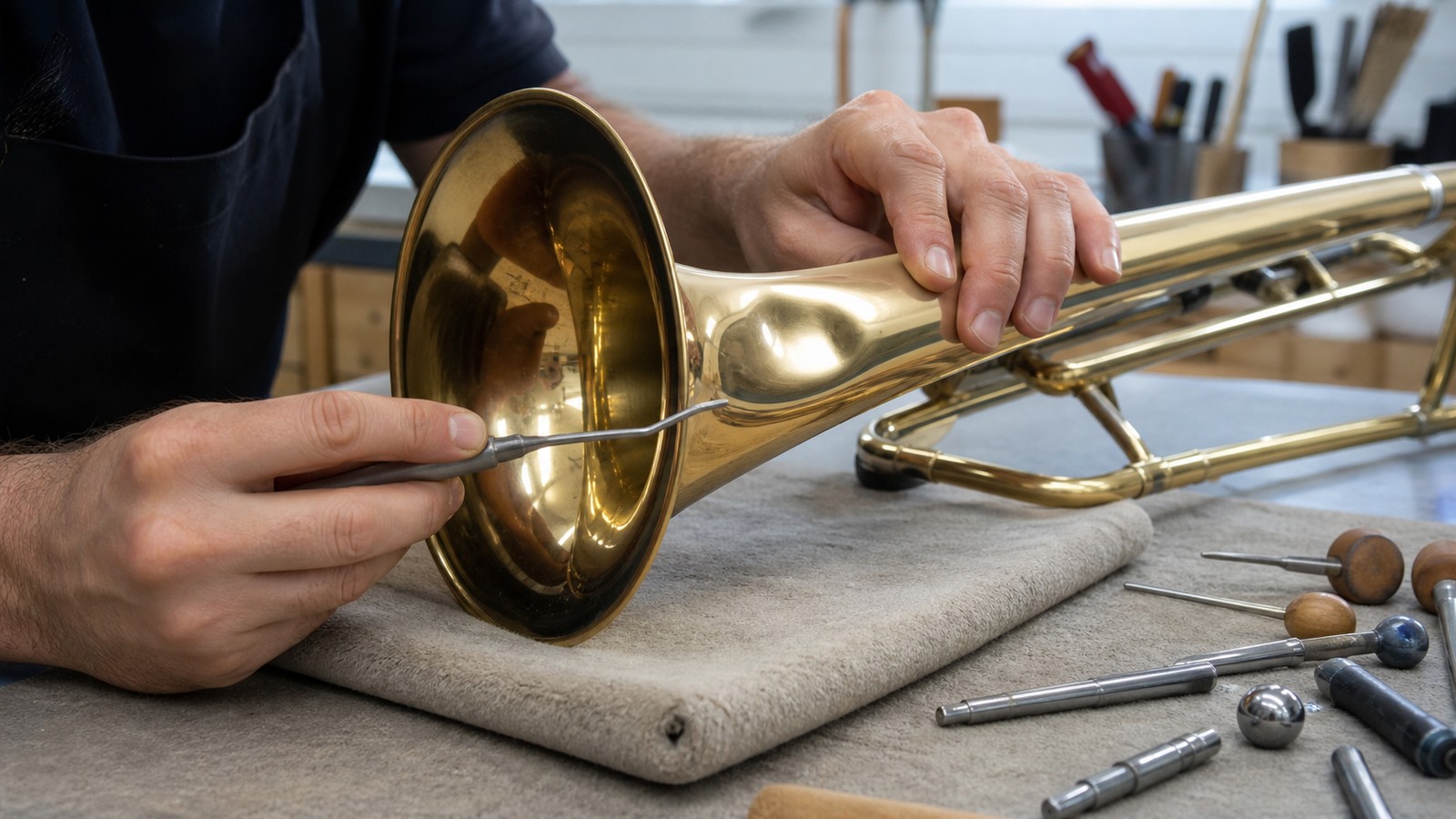
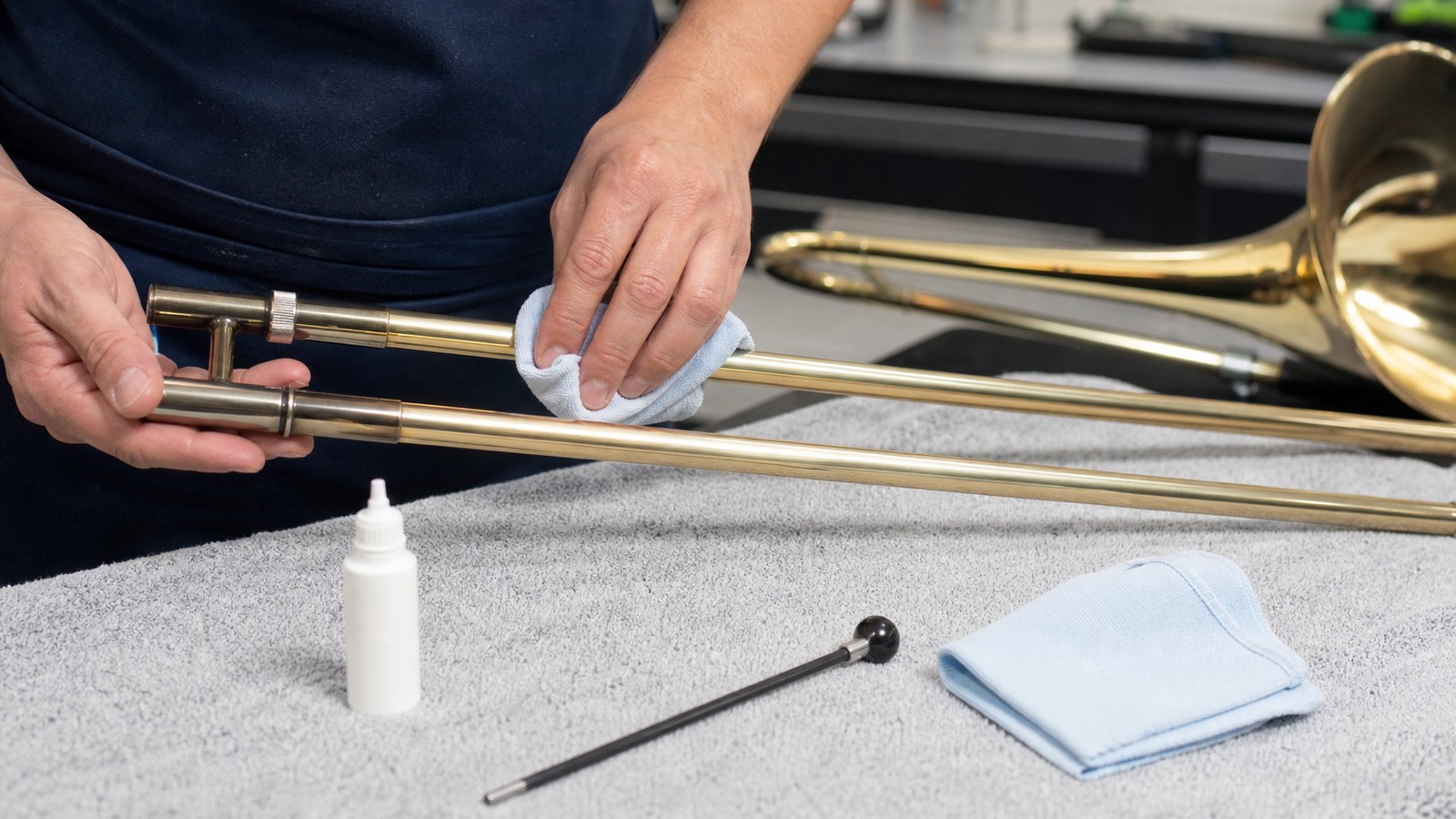
Student trumpets and student trombones can fall into similar price ranges, though exact cost depends on brand, condition, and dealer support. Trumpets have valves that need oiling and occasional service. Trombones have slides that must stay clean, lubricated, and dent-free.
The trombone slide is especially sensitive to damage. A small dent may make the slide drag, which affects every practice session. Trumpet valves can also become sticky or worn, but the smaller case and compact body make transport a bit easier for many beginners.
Budget should include the environment around the instrument, not just the horn itself. A reliable case, basic care supplies, lesson support, and access to a repair shop all influence long-term success. A slightly cheaper instrument can become a poor value if it is difficult to maintain or discourages steady practice.
Personality and Practice Style
Some students love the trumpet because it feels direct and energetic. They enjoy pressing valves, playing bright rhythms, and aiming for melodies that people recognize. The instrument can suit players who like quick feedback and bold musical statements.
Other students like the trombone because it feels spacious and physical. The slide turns pitch into movement, and the sound can feel close to the human voice. It suits players who enjoy listening closely, shaping lines, and being part of a strong section sound.
Jazz, Classical, Marching, and Beyond
Both instruments appear in concert band, jazz band, orchestra, brass ensembles, musicals, and recording work. Trumpet may have more obvious lead opportunities in jazz and marching settings, while trombone brings a signature section sound and expressive slide effects that no valve instrument can truly copy.
In marching band, some programs use trombone, while others prefer baritone, euphonium, or valve trombone for visual uniformity and safety. A student choosing for school should ask what the local program actually uses.
Genre goals can guide the decision, but they should not trap the player. Trumpet and trombone both appear in jazz, classical, church, film, Latin, funk, and commercial settings. The more useful question is which sound and physical approach will keep the player engaged long enough to reach those musical worlds.
How to Choose Without Guessing
The best test is simple: try both with a teacher or knowledgeable player nearby. Hold each instrument, make a few sounds, watch how the body responds, and notice which sound feels exciting. Early tone will not be perfect, but genuine curiosity is easy to recognize.
Parents should also consider logistics. Storage, transportation, lesson access, repair support, and school ensemble needs all matter. A child may love trombone, but if the slide reach is painful today, a teacher can suggest whether to wait, adapt, or try a related brass option.
Final Recommendation
Choose trumpet if the player wants a compact instrument, bright sound, valve technique, melody opportunities, and a strong presence in many ensembles. Choose trombone if the player wants a larger sound, slide motion, rich harmony roles, expressive pitch control, and a physical connection to intonation.
Neither choice closes the door on musical growth. Many brass skills transfer, especially breathing, rhythm, listening, and ensemble awareness. The right first instrument is the one that fits the player well enough to make regular practice feel worthwhile.
If the decision still feels close, rent first or borrow school-approved instruments for a short trial. A few weeks of real practice will reveal more than a long list of pros and cons. Comfort, curiosity, and daily sound preference usually become clearer once the player has lived with each option.
Advice for Parents Helping a Student Decide
Parents can help most by creating a fair comparison. Let the student hear both instruments in music they enjoy, then have them hold and try each one with guidance. Avoid presenting one choice as smarter or more impressive. The student's motivation is the deciding factor because they are the one who must open the case and practice.
Practical details still matter. Ask the band director whether the school needs more of one instrument, which beginner models they trust, and whether the student can switch later if the first choice proves uncomfortable. A supportive program can make either instrument feel less intimidating.
The Best First Step
Listen first, try second, buy third. That order protects the player from choosing based only on appearance or internet advice. Once the student has heard the sound, felt the instrument, and received teacher input, the better choice usually becomes less abstract and much more personal.
If You Love Both Instruments
Some students genuinely like both trumpet and trombone. In that case, choose the instrument that offers the best immediate support. That may mean the one with a stronger teacher, better school section, easier rental access, or more comfortable physical fit. Enthusiasm matters, but support helps enthusiasm survive the first year.
It is also possible to start on one and explore the other later. Brass players often understand each other because they share breathing, buzzing, articulation, rhythm, and ensemble habits. A student who begins on trombone can still appreciate trumpet lines, and a trumpet player can later discover the slide.
Common Myths About the Choice
One myth says trumpet is automatically the confident player's instrument and trombone is only for background parts. Real ensembles are more interesting than that. Trombones can be bold, comic, lyrical, and powerful, while trumpets can blend beautifully and support others.
Another myth says trombone is easier because it has no valves. The slide may look simple, but accurate pitch requires steady listening. Valve instruments have their own tuning challenges, yet the buttons do not remove the need for a trained ear.
A third myth says the most popular school choice is always safest. Popularity may reflect tradition, inventory, or class balance rather than personal fit. The safest choice is the one that combines motivation, comfort, teacher support, and a playable instrument.
A Final Tie-Breaker
Imagine practicing alone after the excitement of choosing has faded. Which sound would make the player open the case again? That answer is often more reliable than a technical comparison. The instrument that invites repetition is the instrument most likely to become music.
What Both Choices Teach
Both trumpet and trombone teach breath control, musical responsibility, rhythmic discipline, and the patience required to turn awkward first sounds into real phrases.
That shared foundation should lower the pressure around the decision. Choosing one instrument does not reject the other; it simply gives the player a starting voice. If that starting voice fits well, the student can build confidence and later understand the wider brass family from experience rather than guesswork. The first choice should open a door, not create a lifelong box or needless pressure for a beginner today.