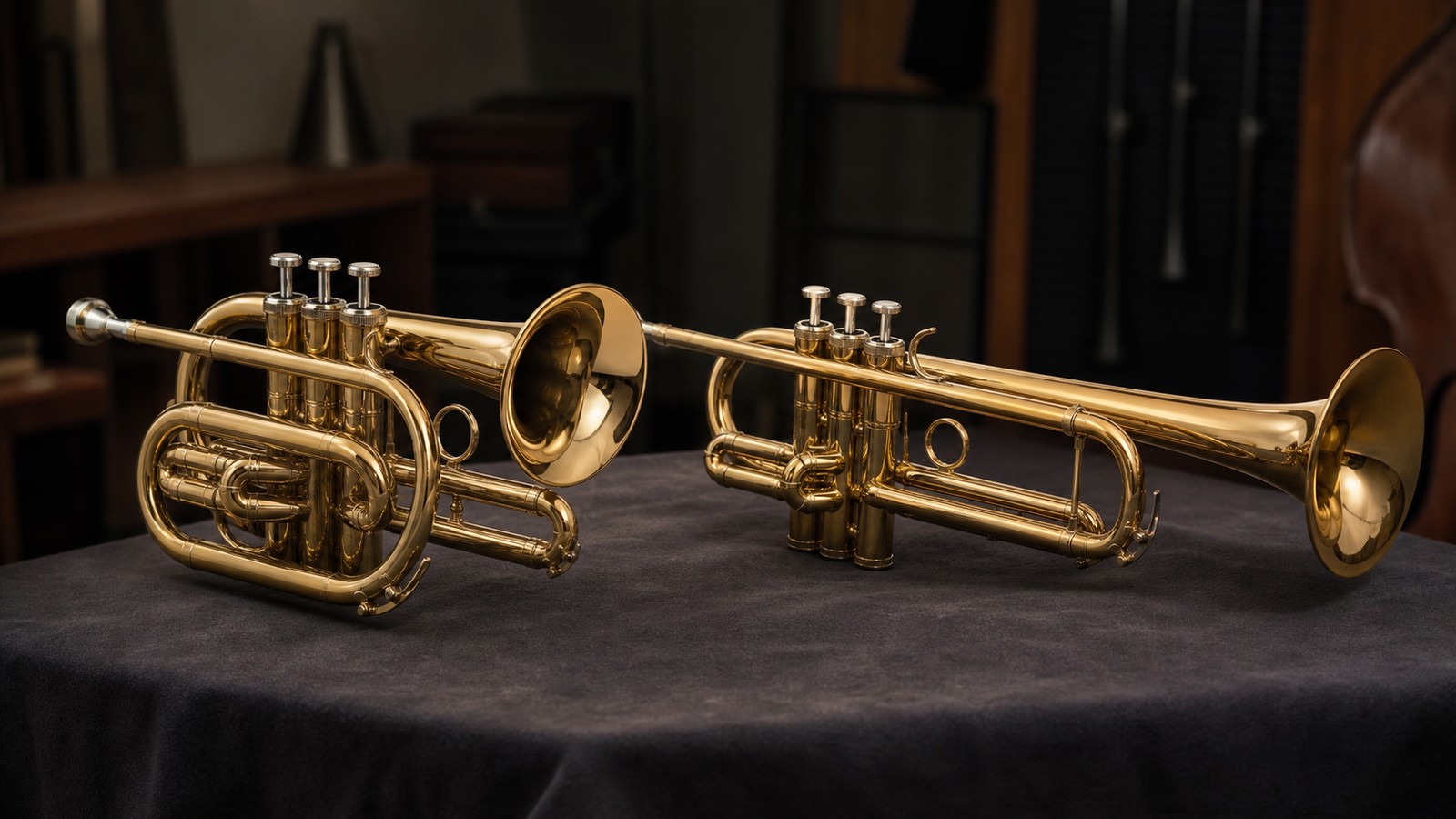
Choosing a First Cornet That Makes Practice Feel Possible
A beginner cornet should make the first year clearer, not more complicated. New players are learning how to breathe, buzz, coordinate valves, read rhythms, and listen to pitch, so the instrument needs to respond reliably without demanding professional-level strength. A good first cornet has smooth valves, stable slides, comfortable balance, and enough tonal warmth to reward careful practice. It should also be easy to service, because sticky valves and air leaks can make a beginner think they are failing when the horn is actually getting in the way. The best beginner cornet is rarely the flashiest one in the listing; it is the one a teacher would trust through daily lessons, rehearsals, and the occasional nervous first concert.
A: Prices vary, but families should budget for a reliable student instrument plus supplies and service.
A: Yes, if valves, slides, response, and leaks are checked before purchase.
A: A known student brand with local repair support is usually safer than an unknown bargain.
A: Renting is sensible when the student has not yet proven long-term interest.
A: No, they need a dependable student cornet that responds evenly.
A: Hidden mechanical problems such as worn valves, leaks, or frozen slides.
A: Valve oil matters immediately because smooth pistons support daily practice.
A: Yes, if poor response or bad intonation makes normal exercises harder.
A: A teacher, experienced brass player, or repair technician should inspect it.
A: Look for steady commitment, teacher feedback, and musical needs the student model cannot support.
What Beginner Cornets Need to Do Well
A beginner cornet needs predictable response in the middle register. Most first-year players spend their time around simple melodies, lip slurs, scale patterns, and short ensemble parts, so the instrument should speak without requiring a hard attack. When response is stable, the student can focus on air and rhythm instead of blaming every missed note on mystery.
Valve action is just as important. The valves should move quickly, return cleanly, and feel even across all three pistons. A sticky second valve can damage confidence faster than many parents expect, because it turns a simple exercise into a mechanical fight.
Student Models Versus Decorative Bargains
A true student cornet is built for learning, repair, and repeated handling. It does not need professional engraving or an exotic finish, but it does need accurate slides, dependable valves, and a case that actually protects the horn. Known student lines from established makers often cost more at the start because they are meant to survive lessons and repairs.
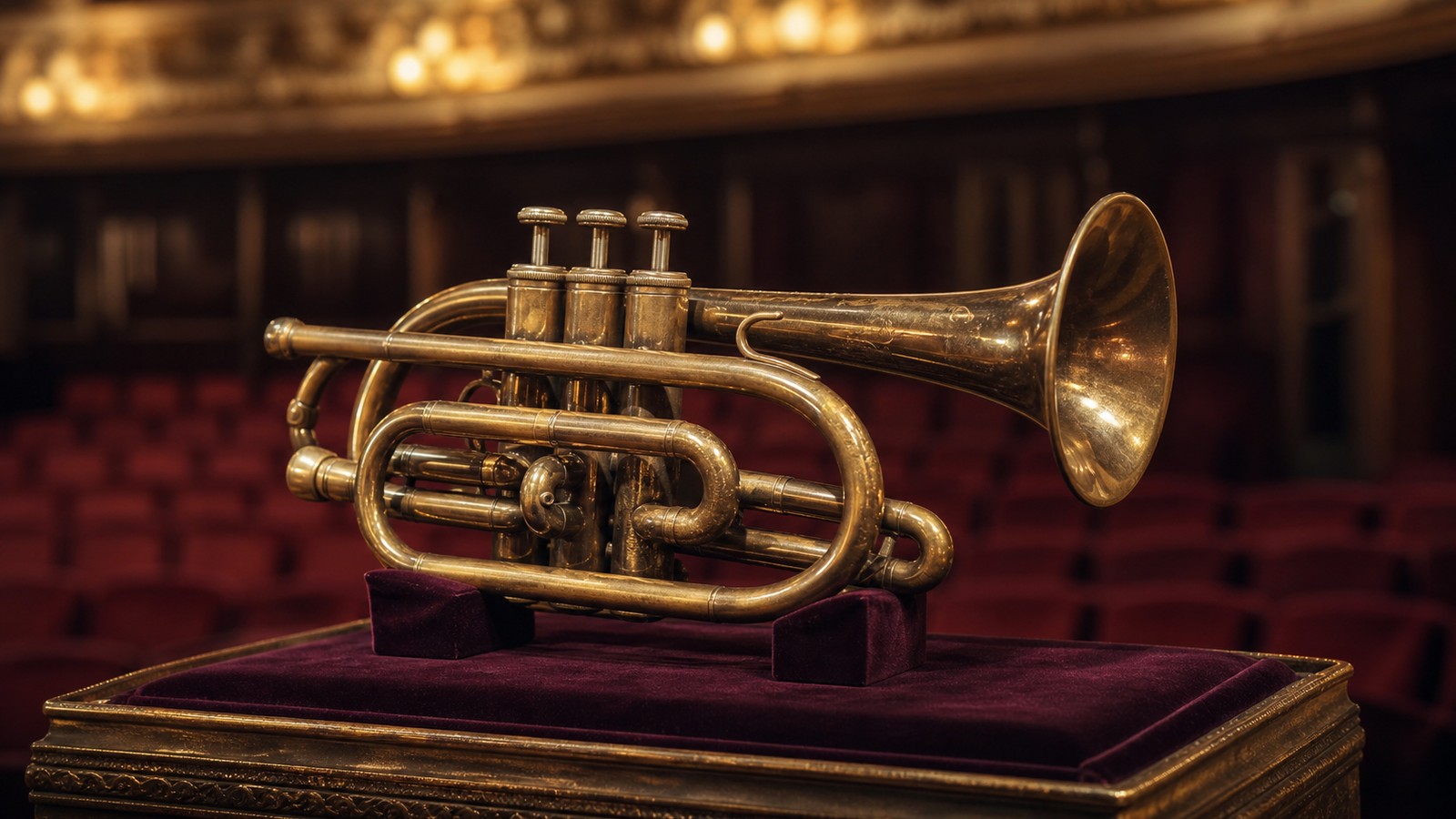
Decorative bargain cornets can be tempting online. They may photograph beautifully, but some have inconsistent valve fit, soft metal, poor intonation, or parts that local shops cannot replace. A low purchase price loses its appeal if the player quits from frustration or the first repair costs more than the instrument.
Beginners should not have to diagnose manufacturing problems. If a teacher or repair technician cannot approve the horn, keep looking. The first instrument should reduce uncertainty, not multiply it.
New, Used, or Rental
Renting is often smart for young students because it protects families from committing before the player has a practice habit. Buying used can save money if the cornet is inspected first. Buying new can make sense when warranty support, return terms, and teacher approval all line up.
Valves, Slides, and Everyday Reliability
The valves should feel smooth when pressed straight down and should not grind, stick, or return unevenly. Each slide should move with reasonable hand pressure, especially the main tuning slide. Frozen slides are common on neglected instruments and can turn a reasonable used price into a repair visit.
Look at water keys, braces, and solder joints as well. A beginner may not notice a small leak, but a teacher will hear unstable response or weak tone. Mechanical reliability is not glamorous, yet it is one of the main reasons one cornet feels encouraging and another feels exhausting.
Tone and Intonation for New Players
A first cornet should encourage a centered, warm tone. It should not require the student to squeeze the lips to make every note speak. If the horn responds only when played loudly, it will make soft practice and ensemble blending much harder.
Intonation will never be perfect for a beginner, but the instrument should not fight basic tuning. A teacher can test a few common notes and listen for severe tendencies. The goal is not perfection; the goal is an instrument that lets the player learn what in tune feels like.
Do not judge tone only in a small practice room. Cornets can sound very different across a larger rehearsal space. If possible, have someone listen from several feet away.
Comfort and Case Quality
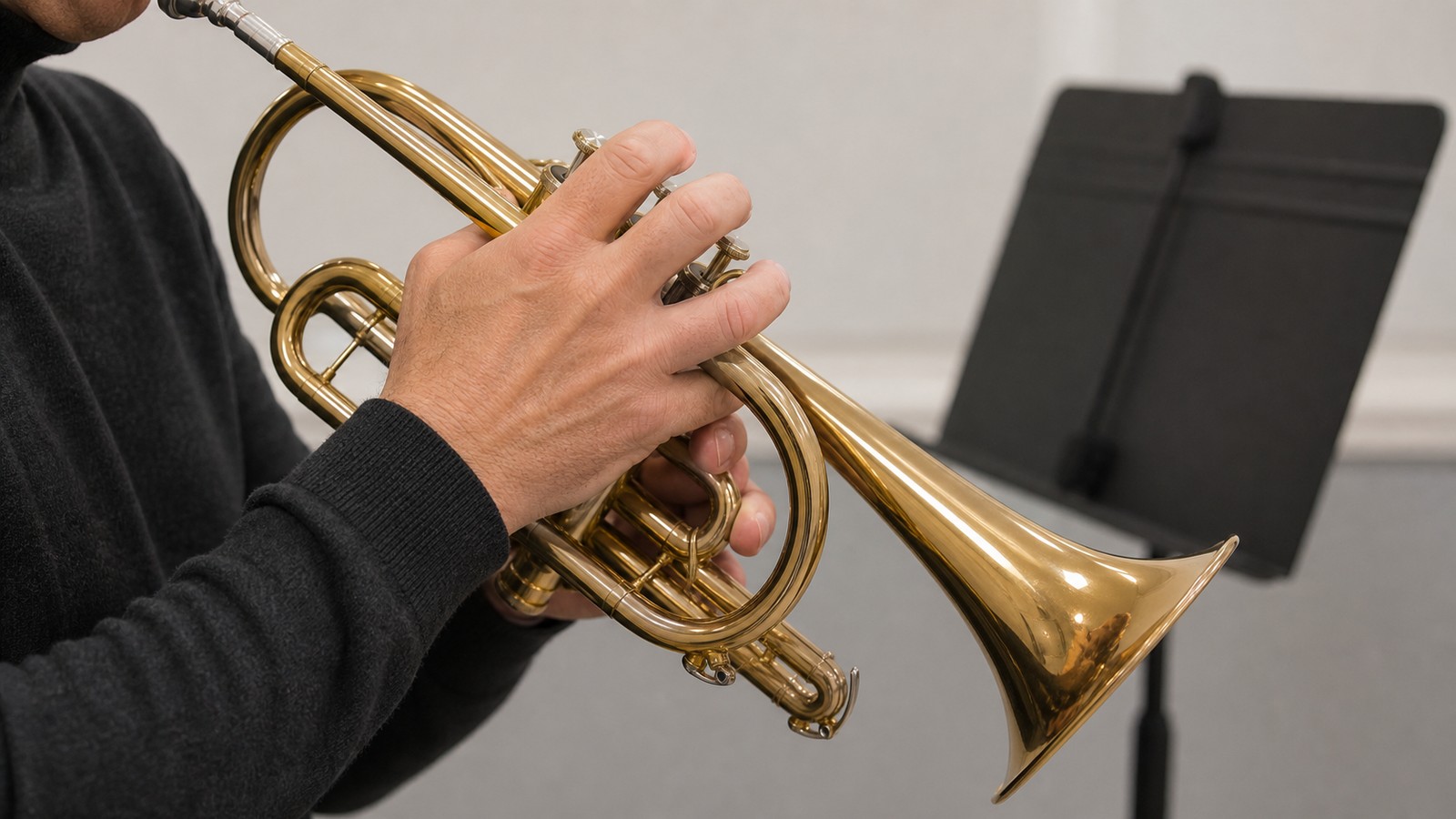
A cornet's compact size is one of its beginner-friendly strengths. The player should be able to hold it without raising the shoulders, twisting the wrists, or pulling the head forward. Good posture gives the air a better chance.
Mouthpiece and Accessories
Most beginners should start with a standard teacher-approved mouthpiece rather than chasing a specialized size. A mouthpiece that is too extreme can make response unpredictable and embouchure development uneven. Stability matters more than novelty during the first year.
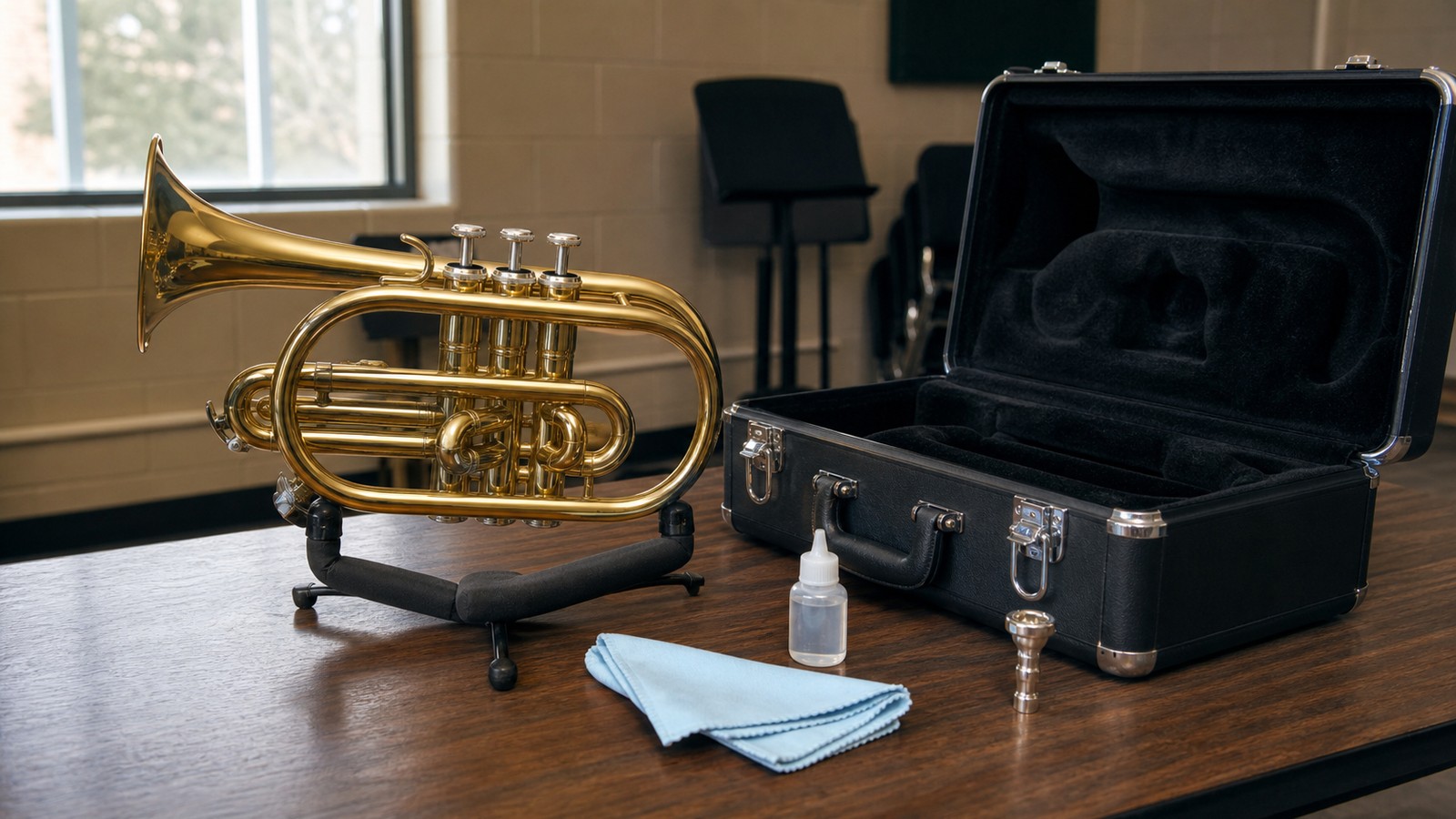
Useful accessories include valve oil, slide grease, a soft cloth, a cleaning snake, and a sturdy music stand. A beginner who has the right care supplies is more likely to keep the instrument working well. Families should also learn basic cleaning routines before residue causes slow valves.
Brands Worth Comparing
Yamaha, Besson, Jupiter, Eastman, Bach, and other established makers appear often in student cornet discussions. The right brand depends on budget, local repair support, and the specific model. A brand name can guide the search, but the actual horn still needs to be inspected.
Dealer support can matter as much as the logo. A nearby shop that can adjust valves, replace corks, and honor a warranty is valuable for beginners. A distant online seller may be fine, but only with clear return terms.
Parents should ask the band director which brands the local repair shop sees regularly. Familiarity can shorten downtime when a student needs the instrument for class.
Red Flags Before Purchase
Avoid cornets with sticky valves, frozen slides, crushed tubing, missing water-key parts, or vague listings that avoid close-up photos. Be cautious with extremely cheap new instruments that have no service path. A beginner cornet should feel sturdy, not disposable.
Budgeting Beyond the Horn
Families should leave room for supplies, repairs, lesson books, and possible private lessons. Spending every dollar on the cornet can backfire if there is nothing left for the support that helps the player improve. A slightly modest horn with good instruction can outperform a flashier purchase with no guidance.
Resale value also deserves attention. A recognizable student model in good condition is easier to sell if the player changes instruments. That safety net can make a better instrument less risky than it first appears.
Final Recommendation
Choose a beginner cornet that has smooth valves, movable slides, stable response, comfortable balance, and repair support nearby. Let a teacher or experienced brass player test it before money changes hands. A reliable student cornet gives beginners the best chance to hear progress early and keep going.
The best purchase is not the one with the most dramatic promise. It is the one that quietly works every day, rehearsal after rehearsal, while the player builds real fundamentals.
If two options seem close, choose the one with better service terms and teacher approval. Those practical protections matter more during the first year than small differences in finish.
How a Beginner Should Test a Cornet
The first test is comfort. Have the player hold the cornet in playing position for a minute without blowing. Watch for raised shoulders, bent wrists, or a mouthpiece angle that forces the head forward. If the body looks tense before the first note, the instrument may be a poor match even if the price is attractive.
Questions to Ask the Seller
Ask when the valves were last serviced, whether all slides move, and whether the cornet has been played recently by a knowledgeable brass player. A seller who can answer clearly is easier to trust. A vague answer does not always mean trouble, but it should slow the purchase down.
For used instruments, ask whether repairs have been made to the leadpipe, bell, braces, or valve block. Small dents may be cosmetic, but damage in the wrong place can affect response. Families should also ask about returns, especially if buying online.
Why Teacher Approval Saves Money
A teacher can hear problems that beginners cannot describe. Poor response, uneven intonation, or valve noise may feel like player error to a new student, but an experienced teacher can often identify the cause quickly. That judgment can prevent families from buying a horn that needs immediate repair.
Teacher approval also helps match the instrument to the program. Some directors prefer specific student models because local repair shops know them well. Others may steer a student toward trumpet instead of cornet for ensemble reasons.
Even adult beginners benefit from a second opinion. A short trial with a teacher can reveal whether the cornet supports relaxed tone, clean articulation, and comfortable posture. That small step can protect months of practice.
A Sensible Shortlist
A good shortlist includes one reliable new student cornet, one inspected used option, and one rental or rent-to-own path. Comparing those routes side by side keeps the buyer from becoming trapped by a single exciting listing. The final choice should feel boringly dependable, because dependable instruments are the ones beginners actually grow on.
Cornet Fit for Younger Players
Younger players need a cornet that can be held without strain. The instrument should sit naturally in front of the body, the fingers should reach all valves, and the bell should not pull the posture downward. A student who has to fight the instrument physically will have less attention left for sound.
Case weight matters too. A sturdy case is important, but it should still be manageable for school travel. Families should imagine the real route from home to car, bus, locker, classroom, and rehearsal before deciding that a heavy setup is harmless.
Balancing Price and Patience
The best deal is not always available on the day a family starts shopping. If the current choices are an unknown bargain, a damaged used cornet, or a rental with unclear terms, waiting a week can be wiser than forcing the purchase. Cornets are common enough that better options usually appear.
Patience also gives the teacher time to weigh in. A director may know a local family selling a well-maintained instrument, or a repair shop may have a student cornet coming out of service. Those quiet local leads can be safer than a dramatic online discount.
A beginner does not need the perfect cornet. They need a trustworthy one. Price should support that goal, not distract from it.
Best Beginner Choice in Plain Terms
The best beginner cornet is the one a student can play tomorrow, maintain next week, and keep using through the first concert season. It should not require unusual parts, constant apologies, or heroic effort to make a basic sound. If the horn responds clearly, survives normal handling, and has teacher support, it is doing the beginner job well. That kind of instrument may not seem exciting in an advertisement, but it becomes exciting when the player notices steadier tone, cleaner valves, and fewer excuses to skip practice. Reliable progress is the real beginner feature. Families should also remember that confidence has value. A student who trusts the instrument is more likely to practice, ask questions, and recover after rough rehearsal days. That confidence is worth budgeting for because it protects the habit that makes lessons meaningful all year in real rehearsals.