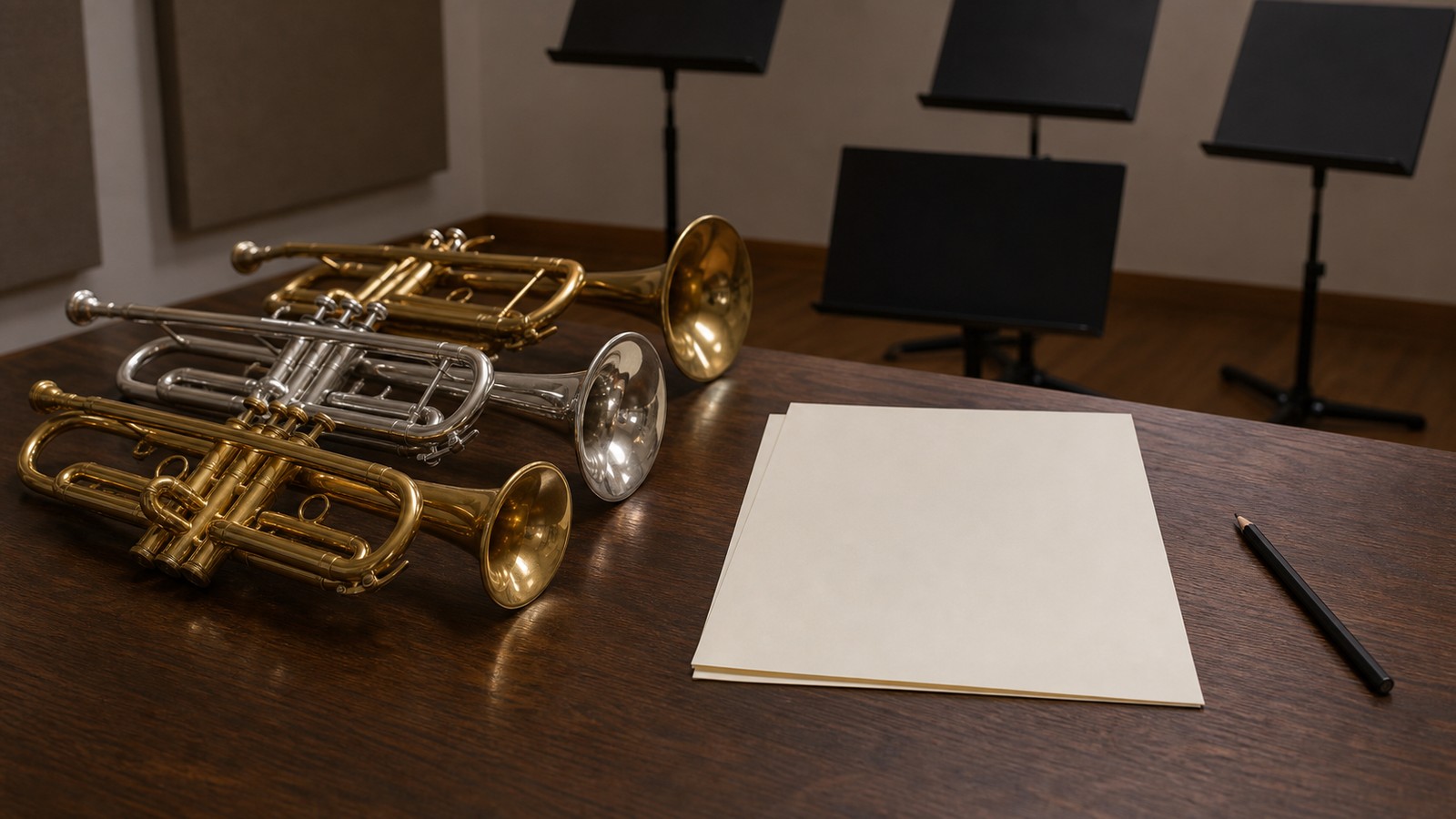
Every trumpet player knows that behind the bright, commanding sound of the instrument lies an intricate mechanism — the embouchure. The embouchure is the way a player applies their mouth to the mouthpiece of the trumpet, controlling airflow, pressure, and muscle tension to create a clean, resonant tone. A strong, flexible embouchure is the key to mastering range, endurance, tone quality, and articulation.
For beginners and intermediate players, developing this muscular control isn’t just a technical necessity — it’s the gateway to expressive freedom. Without it, no amount of practice will yield consistent results. With it, the trumpet becomes a natural extension of the body and soul.
This comprehensive guide dives into the most effective embouchure exercises for beginner and intermediate trumpeters, combining physiological insight, proven techniques, and artistry. By the end, you’ll have a structured routine to strengthen your chops, enhance tone production, and sustain your playing for years to come.
A: 10–15 minutes of gentle breathing, buzzing, and long tones—stop as soon as tone centers and response feels easy.
A: No. Use faster, focused air with a stable aperture and firm corners; pressure is a last resort, not a strategy.
A: Many players succeed near 50/50 upper–lower lip; small personal adjustments are normal to find a centered sound.
A: Likely overuse without rest or excess tension. Short sets + equal rest rebuild endurance safely.
A: No, but heavy resistance can mask form issues. Mix open-horn practice with mute sessions.
A: Long tones for stability, lip slurs for flexibility, and soft starts for clean attacks.
A: Slow “sirens,” soft high-register touches, and controlled air speed—never force or play to failure.
A: Helpful for pitch focus and attacks. Keep sessions short and relaxed; always compare with horn playing.
A: Gear can complement, not replace, fundamentals. Technique first; gear tweaks second.
A: More consistent tone at soft dynamics, fewer cracks between slots, and longer comfortable practice windows.
Understanding the Trumpet Embouchure
Before jumping into exercises, it’s crucial to understand what the embouchure actually involves. The term refers to the coordinated use of facial muscles, lips, tongue, and airflow to create sound. The trumpet’s sound begins with a simple act: air passing through buzzing lips. But this seemingly basic process demands strength, precision, and balance.
The muscles around the mouth — known as the orbicularis oris — act as a flexible ring that controls vibration. The corners of the mouth provide stability, while the center maintains vibration and tone clarity. The chin should remain flat, and the lips must be moist but not overly wet.
Think of your embouchure as an athlete’s foundation — your lips and facial muscles are the “core” of your playing technique. Neglecting this foundation can lead to fatigue, poor tone, and limited range. Strengthening it ensures consistency and power in every register.
Warm-Up: Preparing the Lips and Mind
Just as athletes warm up before physical exertion, trumpet players must ease their embouchure muscles into action. Skipping a proper warm-up can cause tension, reduce flexibility, and hinder tone production.
Start with gentle breathing exercises. Inhale deeply through your nose, expanding the diaphragm rather than lifting the shoulders. Exhale slowly through the mouth as if fogging a mirror. This engages your core and promotes steady airflow — the lifeblood of trumpet playing.
Next, begin mouthpiece buzzing. Place the mouthpiece on your lips and blow gently to produce a relaxed buzz. Aim for a smooth, even tone rather than volume. Buzzing connects breath with muscle control, helping the lips vibrate efficiently. It’s one of the simplest yet most effective ways to develop embouchure coordination.
1. The Long-Tone Foundation
Long tones are the bedrock of embouchure development. They teach players to maintain steady airflow, even tone, and proper lip engagement.
Start on a comfortable note — typically a middle G. Hold the note for as long as you can with a consistent tone and pitch, focusing on a full, centered sound. Avoid forcing the air; instead, let it flow naturally from your diaphragm.
As you progress, move chromatically up and down, maintaining the same tone quality throughout your range. Long tones not only strengthen the lips but also build mental focus and breath control, vital for sustaining phrases and endurance in performance. For beginners, start with 10–15 seconds per note. Intermediate players can extend this to 20–30 seconds. The goal is stability and resonance, not sheer duration.
2. Lip Slurs: Building Flexibility and Control
Lip slurs are one of the most valuable exercises in a trumpeter’s arsenal. They connect notes without using valves, relying solely on lip tension and air support to change pitch.
Begin with simple slurs between partials, such as middle C to G, focusing on smooth transitions. Use a steady air stream and keep the corners of the mouth firm. The lips should adjust naturally — avoid excessive jaw movement or pressure.
As you improve, incorporate wider intervals and faster tempo variations. Lip slurs develop not only flexibility but also accuracy and control, teaching the embouchure to respond fluidly to dynamic shifts and range changes.
Intermediate players can explore extended slur patterns — for example, C-G-C-G or C-E-G-C — which challenge coordination and muscle balance. These exercises refine the embouchure’s ability to adapt quickly, essential for technical passages in orchestral and jazz playing alike.
3. The “Mmmm–Buzz” Exercise
A subtle yet effective technique, the “Mmmm–Buzz” exercise bridges relaxation and vibration control. Start by forming an “M” shape with your lips — this engages the corners and sets the mouth in a neutral, balanced position. Then gently transition into a buzz without losing the firmness at the corners.
The goal is to activate the embouchure muscles without unnecessary tension. Keep the air steady and the buzz smooth. This exercise teaches players how to start notes cleanly, avoiding the “splat” that often plagues beginners.
Over time, this simple habit reinforces proper muscle memory, improving attacks, tone clarity, and overall embouchure stability.
4. The Pencil Exercise: Strength Without the Horn
Developed as an off-instrument workout, the pencil exercise isolates and strengthens the embouchure muscles.
Hold a pencil horizontally between your lips — not your teeth — and balance it for as long as possible. The key is to keep the corners firm and the center relaxed, mimicking proper playing form. Start with 10–15 seconds and gradually increase the duration.
This exercise builds the endurance and strength necessary for sustained playing, particularly in the upper register. It’s a favorite among professional brass players for maintaining chops during off days or travel periods.
5. The Whisper Tone Exercise
Whisper tones focus on delicacy and precision. Begin by playing a note as softly as possible while maintaining clarity and pitch stability. This challenges the embouchure to stay engaged even with minimal air pressure, promoting fine control over the lips and airflow. Practicing whisper tones improves tone purity, dynamic control, and articulation finesse. It also teaches players to feel the vibration rather than force it, a crucial skill for musical expressiveness and longevity.
For intermediate players, alternating between whisper tones and forte playing strengthens dynamic contrast — a powerful expressive tool in solo and ensemble performance.
6. The “Sirens” Exercise for Range Expansion
Range is a constant pursuit for trumpeters. The “Sirens” exercise trains the embouchure to transition smoothly across registers without tension.
Start with a relaxed low note and glide upward in one continuous motion, as if imitating a siren’s sound. Then descend just as smoothly. Keep the airflow consistent and avoid abrupt breaks.
This exercise encourages lip flexibility, aperture control, and steady air support. For beginners, stay within a comfortable range (e.g., low C to G). Intermediate players can extend from low G to high C or beyond.
Sirens also help eliminate “cracks” between notes and build a seamless connection across the trumpet’s registers.
7. The Stamp Method: Controlled Power
Earl Irons and James Stamp, renowned brass pedagogues, emphasized exercises that connect breath, tone, and muscular coordination. One of Stamp’s core concepts involves producing notes with minimal effort but maximum efficiency.
Begin by playing a middle G softly, then crescendo to forte and back to piano, maintaining a centered tone throughout. The idea is to keep the lips engaged without overblowing. This dynamic control strengthens the embouchure’s response and prevents stiffness.
As you progress, apply the same technique across different registers. The Stamp method promotes balanced embouchure development, ensuring players don’t favor one range at the expense of another.
8. The Clarke Studies Connection
Herbert L. Clarke’s technical studies are legendary among trumpeters, offering not just finger dexterity but embouchure endurance training. By practicing Clarke’s first studies slowly and with focused tone, players reinforce embouchure stability.
The key is consistency of sound. Even when playing fast passages, each note must retain full resonance. Practicing these etudes at various dynamics and tempos develops both strength and agility, making them a perfect complement to embouchure exercises.
9. The Mouthpiece Only Routine
Practicing on the mouthpiece alone enhances control and sensitivity. It strips away the mechanical resistance of the trumpet, forcing players to focus entirely on airflow and vibration.
Buzz simple melodies or scales, maintaining a consistent pitch and resonance. Keep the sound open and free — avoid pinching or forcing.
This type of practice strengthens the micro-muscles of the embouchure, fine-tuning intonation and response. It’s particularly beneficial for developing a clear attack and focused tone.
10. Endurance Training: The “Play–Rest–Play” Cycle
Endurance is one of the greatest challenges for trumpeters. The embouchure muscles fatigue quickly, especially during long rehearsals or performances. To build stamina, adopt a structured “play–rest–play” routine.
For every 30 seconds of playing, rest for at least the same amount of time. This gives the muscles a chance to recover and prevents overuse. Gradually increase playing durations as endurance improves.
Include long tones, lip slurs, and etudes in this cycle. Over time, this approach yields longer playing sessions with less fatigue, ensuring consistency in tone and range during extended performances.
Common Mistakes to Avoid
Even with diligent practice, embouchure development can go astray without mindful technique. Common pitfalls include:
Excessive pressure: Pressing the mouthpiece too firmly against the lips limits vibration and causes fatigue.
Tight corners: Overly tense corners restrict flexibility and tone production.
Neglecting air support: Weak airflow leads to airy or unstable tone.
Skipping rest: The embouchure needs recovery time just like any muscle group.
The best antidote to these errors is self-awareness. Record yourself, seek feedback from instructors, and practice slowly. Embouchure refinement takes patience — it’s a journey, not a sprint.
Developing a Daily Routine
A well-structured routine maximizes results. Here’s an example for beginner and intermediate players:
Warm-up (10 minutes): Breathing, mouthpiece buzzing, and long tones.
Flexibility (15 minutes): Lip slurs and siren exercises.
Control (10 minutes): Whisper tones and Stamp-style dynamics.
Technical work (15 minutes): Clarke studies or scale practice.
Cool-down (5 minutes): Gentle long tones and low-register playing.
Consistency matters more than duration. Practicing shorter sessions daily is more effective than long, sporadic sessions. Over time, your embouchure will adapt, growing stronger and more responsive.
The Mental Side of Embouchure Training
Embouchure development isn’t purely physical. It requires concentration, patience, and mental discipline. Visualization is a powerful tool — imagine the ideal tone before you play. This primes your body to replicate that sound.
Mindful breathing and relaxation techniques can also prevent tension. Many professional players use meditation or yoga to enhance focus and reduce physical strain.
Remember, confidence in your sound begins in your mind. Approach each practice session with intent and positivity, and your embouchure will follow suit.
Troubleshooting Embouchure Fatigue
Fatigue is inevitable, especially for intermediate players pushing their limits. When it strikes, resist the urge to “power through.” Instead, focus on recovery. Perform gentle lip massages or alternate warm and cool compresses to stimulate blood flow. Hydration and rest are equally important. If fatigue persists, review your posture, mouthpiece pressure, and breathing technique — inefficiency in any of these areas can strain the embouchure unnecessarily.
Building endurance takes time. Treat your lips as precision instruments, not battering rams.
Advanced Transition Tips
For intermediate players aiming to transition into advanced levels, embouchure refinement becomes about nuance rather than brute strength. Focus on subtle control of dynamics, articulations, and tone colors.
Experiment with different mouthpiece buzzing patterns or advanced slur intervals. Study recordings of masters like Maurice André, Wynton Marsalis, and Alison Balsom — their tone consistency across registers is a testament to embouchure mastery.
At this stage, precision outweighs intensity. The goal is to make every note effortless and expressive.
Building the Foundation for Lifelong Trumpet Mastery
The embouchure is the heartbeat of trumpet playing — a living, evolving mechanism that reflects every breath, thought, and emotion. For beginners and intermediates alike, consistent embouchure exercises are the key to unlocking the full expressive range of the instrument.
Through long tones, lip slurs, whisper tones, and mindful routines, you build not just muscles, but artistry. Strength becomes flexibility, endurance becomes confidence, and tone becomes identity.
Remember: every note starts with the lips, but true music begins with the mind and heart behind them. Train your embouchure diligently, and it will reward you with a lifetime of brilliance, control, and expressive power.