Trumpet and Flugelhorn Share Fingerings, Not Personality
Trumpet and flugelhorn are close relatives, but they are not interchangeable in sound, feel, or musical purpose. Both use three valves and familiar brass fingerings, yet the trumpet is brighter, more projecting, and more common as a primary instrument. Flugelhorn is darker, wider, and more mellow, with a tone that many players describe as velvet or vocal. A beginner can understand the difference by looking at shape, listening to attack, and noticing where each instrument usually appears in ensembles. Trumpet is the everyday foundation for most players; flugelhorn is often a color added later.
A: No, it has a different design, mouthpiece feel, and darker musical role.
A: Yes, many trumpet players double on flugelhorn after adjusting tone and response.
A: Trumpet is usually brighter and more projecting.
A: Flugelhorn is usually the more mellow and rounded instrument.
A: Most beginners should start with trumpet unless they have specialized guidance.
A: No, flugelhorns use different mouthpiece designs and receiver fits.
A: Some written music is approachable, but the instrument's role is different.
A: They use it for warm ballads, softer colors, and expressive contrast.
A: For most students, trumpet offers broader ensemble and lesson opportunities.
A: Listen to the same melody on both and judge tone, feel, and support.
The Basic Design Difference
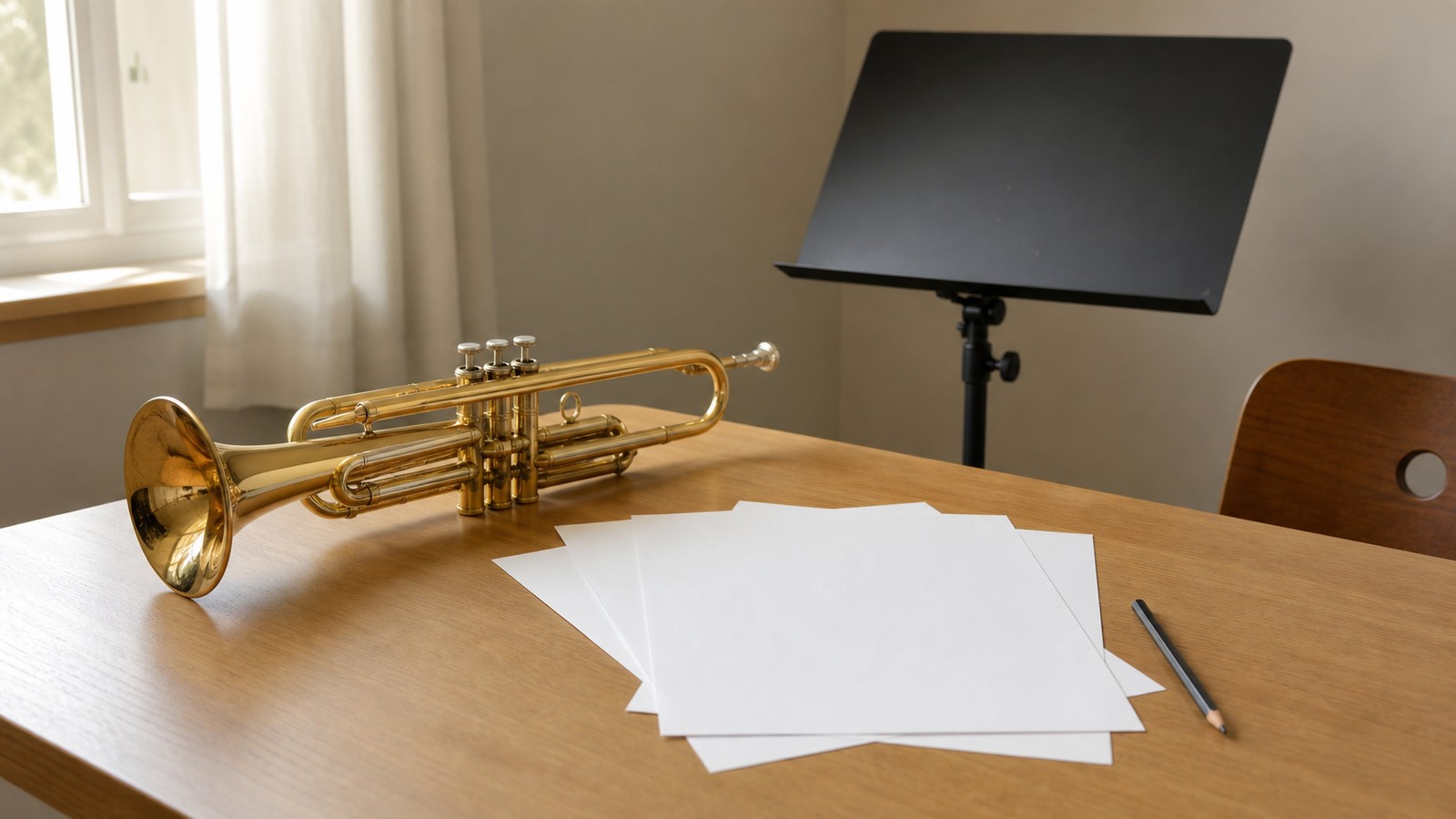
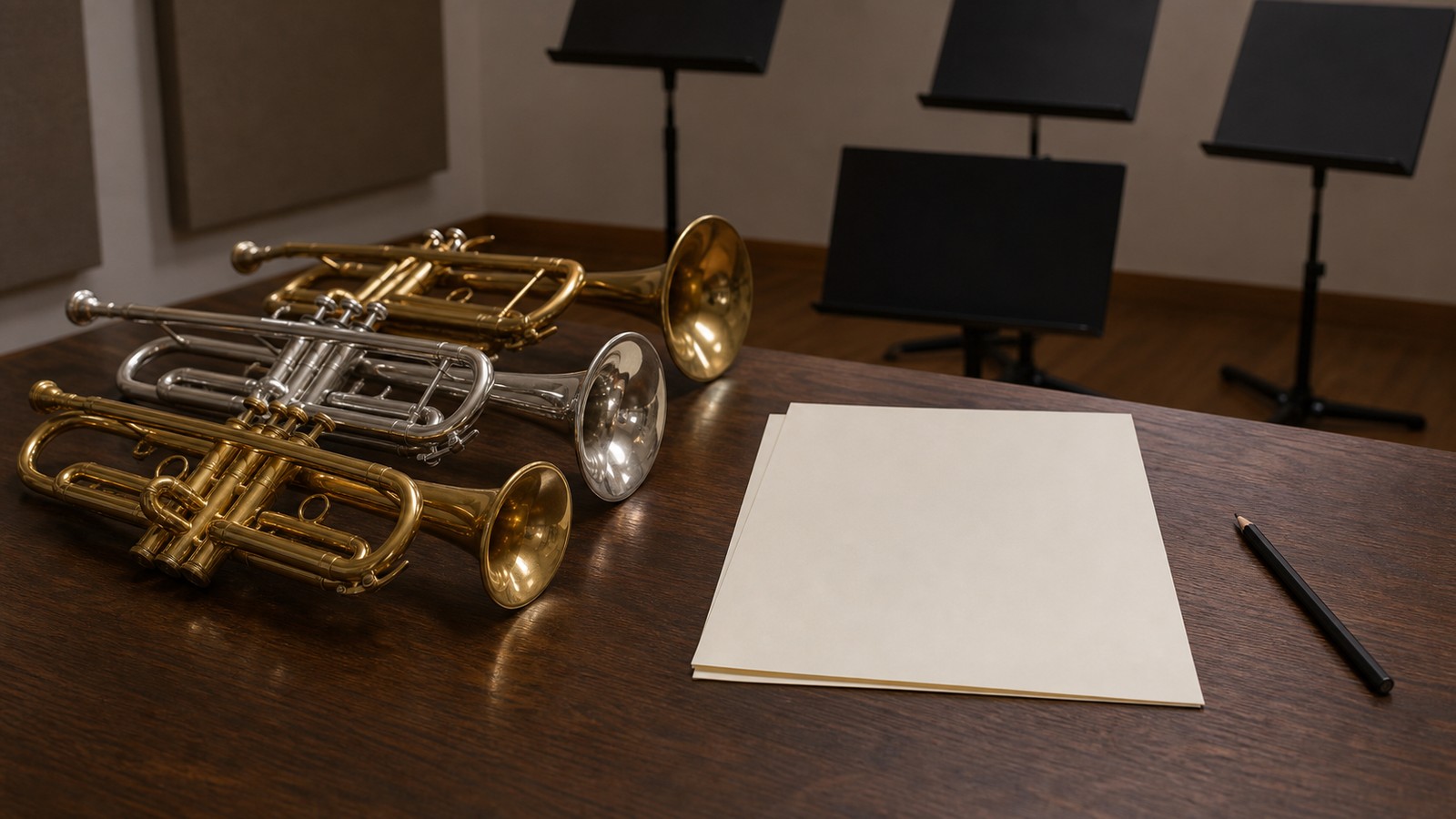
A trumpet has a more cylindrical design for much of its tubing, which helps create a direct and brilliant sound. The bell flare is relatively focused, and the instrument is built to project through ensembles. That design is one reason trumpet can sound clear even in loud musical settings.
A flugelhorn has a more conical profile and a broader bell shape. The tubing opens more gradually, which encourages a darker, softer-edged tone. The instrument still belongs to the brass family, but its voice sits closer to a mellow solo color than a cutting lead line.
These physical differences explain much of what listeners hear. Trumpet tends to speak with a sharper front to the note, while flugelhorn often begins with a rounder and less pointed attack.
Tone: Bright Versus Mellow
Trumpet is the brighter instrument. It can be warm in skilled hands, but its natural strength is clarity, presence, and brilliance. Flugelhorn is usually chosen when the player wants a softer glow, a wider sound, and a gentler emotional color.
Why Fingerings Feel Familiar
Players moving from trumpet to flugelhorn will recognize the valve combinations. Many notes use the same fingerings, and written music often feels approachable at first glance. That overlap makes flugelhorn a practical secondary instrument for trumpet players.
Familiar fingerings do not mean identical playing. Intonation tendencies, mouthpiece feel, and response can differ enough that a trumpet player needs adjustment time. The flugelhorn rewards slower listening and a more blended sound concept.
Mouthpiece and Receiver Fit
Flugelhorns use different mouthpiece designs from trumpets, and receiver types can vary. A trumpet mouthpiece should not be forced into a flugelhorn as a shortcut. The correct mouthpiece helps the instrument produce its intended tone and keeps response more predictable.
The mouthpiece cup is often deeper, supporting a rounder sound. That can feel comfortable to some players and less immediate to others. Trumpet players who expect the same crisp feedback may initially overplay the flugelhorn.
A teacher or brass technician can help match mouthpiece and instrument. This is especially important when buying a used flugelhorn, because mismatched parts can make a good instrument seem unreliable.
Where Trumpet Usually Fits
Trumpet is the primary choice in concert band, jazz band, orchestra, marching band, salsa sections, funk horn lines, musical theater pits, and many studio settings. It is the more versatile first instrument for most students because ensemble opportunities are easier to find.
Where Flugelhorn Shines
Flugelhorn shines when a player wants warmth, lyricism, and a softer brass edge. It is common in jazz ballads, brass band writing, studio textures, and moments where the trumpet sound would feel too piercing. Its tone can blend beautifully with saxophones, trombones, and low brass.
The instrument is especially effective in slow melodies. A flugelhorn can make a simple phrase feel intimate without needing volume. That is why many trumpet players keep one for specific musical colors.
Is Flugelhorn Good for Beginners
Most beginners should start on trumpet before adding flugelhorn. Trumpet instruction, rentals, method books, and ensemble parts are easier to find. Starting with trumpet also builds a foundation that transfers reasonably well when the player is ready for flugelhorn.
There are exceptions. A brass band program may introduce flugelhorn earlier, and an adult learner with a specific sound goal may study it directly. Even then, the player needs a teacher who understands flugelhorn intonation and tone.
The risk of starting on flugelhorn is isolation. If the student cannot find music, lessons, or ensemble use, motivation may fade. A beautiful tone does not solve a weak support system.
Intonation and Listening
Flugelhorn often asks for careful pitch listening. Some models have noticeable tendencies on certain notes, and the wider tone can hide pitch problems at first. Trumpet also requires intonation work, but students usually encounter more standardized teaching materials.
Buying Considerations
A first trumpet is usually easier to rent or buy at a student level. Flugelhorns are more specialized, and cheap models can vary widely in response and intonation. Buyers should be cautious with bargain flugelhorns that look attractive but do not play evenly.
Used flugelhorns need careful inspection. Check the valves, slides, bell, receiver, and whether the included mouthpiece actually fits. A play test from an experienced brass player is worth arranging before purchase.
Doubling From Trumpet to Flugelhorn
Many players approach flugelhorn as a double after learning trumpet. That path makes sense because the player already understands breath support, valves, notation, and brass practice habits. The new challenge becomes color and control rather than starting from nothing.
A good doubling approach begins with long tones and simple melodies. The player should listen for warmth without letting the sound become unfocused. Flugelhorn should not be played like a trumpet with the brightness removed.
Switching between the two instruments in one rehearsal also requires planning. The mouthpiece feel, resistance, and articulation response can change enough that the player should warm up both sounds.
Choosing Between Them
Choose trumpet if you need a primary brass instrument with broad opportunities. Choose flugelhorn if you already have a trumpet foundation or need a mellow color for specific music. The instruments share skills, but they serve different musical purposes.
The Simple Listening Test
Play the same slow melody on trumpet and flugelhorn. The trumpet version will usually feel clearer and more forward; the flugelhorn version will usually feel rounder and more intimate. If you can hear that contrast, you already understand the heart of the difference.
For students, the next question is practical. Ask which sound you love, but also ask which instrument your teacher, school, and ensemble can support. The best choice is both musical and usable.
Why Flugelhorn Feels Different Under the Air
Trumpet players often notice that flugelhorn responds with a different cushion under the air. The note may not pop out with the same bright edge, especially if the player uses a trumpet-like attack. Flugelhorn tends to reward a broader breath and a less aggressive start.
That does not mean the instrument is weak. It means the sound blooms differently. A good flugelhorn tone needs focus inside the warmth, or the line can become cloudy.
Players who switch successfully learn to let the instrument speak in its own color. They keep the air alive, but they stop demanding trumpet-style brilliance from a horn built for another role.
Articulation and Style
Trumpet articulation can be crisp, pointed, and rhythmically sharp. Flugelhorn articulation is often smoother, especially in ballads and lyrical settings. The tongue still needs clarity, but the musical effect is usually less percussive.
Common Doubling Mistakes
A common mistake is using flugelhorn only when the music says to change instruments, then playing it with no tone adjustment. The audience hears a softer trumpet impression rather than a true flugelhorn color. The player should practice the double separately.
Another mistake is buying a flugelhorn before knowing why it is needed. A student may love the look but have no ensemble, teacher, or repertoire for it. That purchase can sit in a case while the trumpet still needs attention.
How Composers Use the Contrast
Composers and arrangers often use trumpet when they want definition, lift, or sparkle. The sound can announce a phrase, sharpen a rhythm, or rise above a full ensemble. It carries well because brightness helps listeners locate it.
Flugelhorn is often used when the music needs a human, blended, or reflective sound. It can soften a brass passage, warm a jazz ballad, or give a studio arrangement a darker emotional shade.
Understanding that contrast helps players choose equipment intelligently. The question is not which instrument is better; it is which color the music needs.
Maintenance and Handling
Flugelhorns deserve the same careful maintenance as trumpets, but replacement parts and receiver details may be less familiar to beginners. Keep valves clean, protect the wider bell, and ask a technician before forcing slides or mouthpieces. A specialized instrument stays enjoyable when it is cared for properly.
Final Practical View
For most players, trumpet is the foundation and flugelhorn is an added color. Learn trumpet first if you want the broadest path. Add flugelhorn when your ear, music, and budget give you a reason to explore that darker voice.
Players who respect both instruments get the most from them. The trumpet can bring clarity and energy, while the flugelhorn can bring warmth and depth. Together they give a brass player a wider expressive palette.
Why Beginners Hear the Difference Slowly
At first, beginners may not hear every shade between trumpet and flugelhorn. They may only notice that one sounds louder and the other sounds softer. As the ear develops, the difference becomes richer: attack, width, center, blend, and emotional color all become easier to name.
This slow hearing process is normal. A student does not need expert vocabulary before choosing a first instrument. They only need enough listening experience to understand that the instruments serve different purposes.
Teachers can help by playing the same phrase on both. A direct demonstration is often clearer than any description.
Repertoire Should Guide the Purchase
Before buying a flugelhorn, ask what music it will actually play. If the answer is mostly curiosity, waiting may be wise. If the player has jazz ballads, brass band parts, studio work, or teacher-assigned doubling material, the purchase has a clearer purpose.
Bottom Line for Students
A student choosing between the two should usually begin with trumpet, then add flugelhorn when the musical need appears. That path builds strong fundamentals and keeps ensemble opportunities broad.
A player comparing them for sound should not reduce the flugelhorn to novelty. It is a serious instrument with a distinct voice. Used well, it gives a trumpet player a softer and more intimate way to speak. The most useful path is to build strong trumpet fundamentals, listen to excellent flugelhorn examples, and add the second instrument when the music calls for that color. That approach keeps the purchase connected to real playing rather than curiosity alone. It also helps the player respect the flugelhorn as a voice with its own balance, not simply a quieter trumpet for slow songs. When the player understands that purpose, practice becomes more focused. Long tones, slow melodies, and careful attacks begin to serve a specific color goal instead of feeling like generic doubling chores. The instrument then earns its place in the player's routine because it solves a musical problem, adds an expressive option, and deepens listening during rehearsals, recording sessions, and quiet practice at home.