
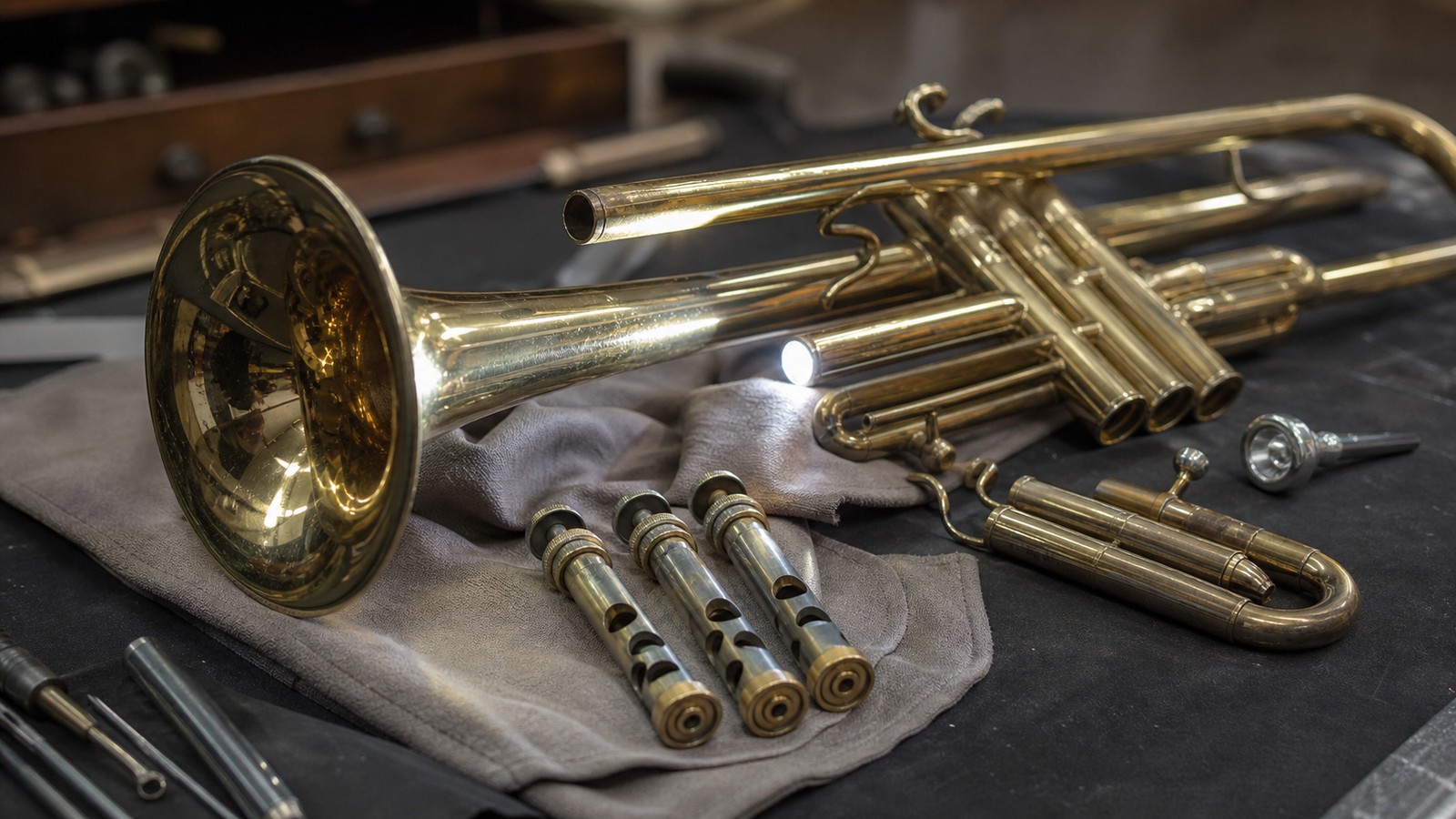
A Weird Trumpet Buzz Can Come From the Player or the Horn
A trumpet that buzzes weirdly can be confusing because the word buzz can mean several things. It might describe the player's lips, a fuzzy tone, a rattling part on the instrument, a mouthpiece problem, a loose slide, water in the tubing, a valve issue, or fatigue in the embouchure. The best way to solve it is to separate sound problems from mechanical vibrations. Start with simple checks, change one thing at a time, and stop before forcing parts that should be handled by a repair technician.
A: Fatigue can make the lips vibrate unevenly, especially after loud playing or range work.
A: Yes. Condensation often creates a wet gurgling or unstable sound.
A: Certain pitches can trigger sympathetic vibration in loose parts or nearby objects.
A: No. Use fingers gently and let a technician handle anything stuck or uncertain.
A: Yes. Worn corks, poor fit, or bad placement can make a mute rattle.
A: It is a rough split tone that can come from uneven lip vibration or fatigue.
A: Have another player test it and listen for mechanical rattles that remain.
A: Yes. Valve caps, finger buttons, and water key parts can all vibrate.
A: Go when simple checks fail, parts are stuck, braces are loose, or the buzz sounds mechanical.
A: No. Stop, rest, and ask a teacher or qualified professional for guidance.
Name the Kind of Buzz First
The first step is describing the sound. A fuzzy tone, airy attack, metallic rattle, loose vibration, wet gurgle, or mouthpiece-only buzz all point in different directions. If you call every problem a buzz, the troubleshooting process becomes messy.
Play one comfortable note at a medium volume and listen carefully. Then play the same note softer, louder, with a different fingering if possible, and with the mouthpiece alone. Those small comparisons can reveal whether the buzz follows the player, the note, or the instrument. If the buzz changes only when the valves change, that points somewhere different from a buzz that appears on every note.
Writing down what happens may feel unnecessary, but it helps. If the buzz appears only on certain valves, only after ten minutes, or only at loud dynamics, that pattern is useful.
Check for Water First
A wet, unstable, gurgling buzz often comes from condensation in the trumpet. Empty the water keys, move the slides carefully if you know how, and try the passage again. This is the easiest fix and should happen before deeper troubleshooting. New players sometimes mistake water noise for a serious problem, especially during long rehearsals or cold rooms where condensation builds quickly.
Test the Mouthpiece Fit
A mouthpiece that is not seated properly can vibrate, wobble, or respond unevenly. Insert it with a gentle twist, not a hard shove. It should feel secure without being jammed into the receiver.
Check whether the buzz changes if you use another compatible mouthpiece. If the sound disappears with a different mouthpiece, the issue may be fit, damage, dirt, or a mouthpiece that does not suit the player. Do not make a permanent equipment decision from one quick test, but use the comparison to narrow the search carefully.
Look for Loose Parts
A metallic buzz often comes from something vibrating on the trumpet body. Valve caps, finger buttons, bottom caps, water key screws, slide rings, lyre screws, or even a loose item in the case can rattle sympathetically when certain notes are played.
Gently check obvious threaded parts with your fingers. Do not use pliers or force. If a cap or screw is loose, tighten it only until it is secure. Over-tightening can create new problems. If a part will not turn easily, leave it alone until someone with repair experience can look at it.
If the buzz remains, ask someone else to stand nearby while you play. A listener may locate the vibration more easily than the person holding the horn. Have them move around the room while you sustain the note, because the source can seem to shift from the player's position.
Check the Valves Carefully
Valve problems can create strange response, rattling, or uneven tone. A valve may be dry, dirty, misaligned, installed in the wrong casing, or not fully seated. If the buzzing began after cleaning or oiling, valve placement is worth checking.
Remove and reinstall valves only if you know your instrument's valve numbers and orientation. Many trumpets mark valves, but beginners can still mix them up. A misplaced valve can make the trumpet play badly or barely play at all. After reinstalling a valve, press it gently and make sure it returns smoothly before testing sound.
Consider Embouchure Fatigue
Sometimes the trumpet is not buzzing weirdly; the player is tired. Fatigued lips can create a fuzzy, unstable, double-buzzing sound, especially after loud playing, range practice, marching band, or long rehearsals. The tone may feel harder to center.
If the sound is better at the start of practice and worse later, fatigue is a strong possibility. Rest, return to easy notes, and avoid forcing range. A tired embouchure usually needs recovery more than analysis. Testing again the next day can confirm whether the problem follows fatigue or remains with the horn.
This kind of buzz can become worse if the player presses harder to fix it. More pressure may make a note speak temporarily, but it often deepens the fatigue pattern. A better response is to rest, return to an easy register, and rebuild the sound at a volume that does not invite force.
Listen for a Double Buzz
A double buzz sounds like two pitches or a rough split in the tone. It can happen when the lips are not vibrating evenly, when the player is tired, or when the air and embouchure are fighting each other. It is usually a playing issue rather than a loose screw. Gentle long tones, rest, and teacher feedback are more useful than trying to overpower it with extra force.
Try Softer Playing
Play the same note softly with relaxed air and a simple attack. If the buzz disappears when you stop pushing, the issue may be pressure, volume, or tension. If the buzz remains at every dynamic, the instrument deserves closer inspection.
Soft playing is a useful diagnostic because it removes some of the force that can hide habits. A clear soft note shows that the lips, air, and horn are cooperating.
Inspect Slides Without Forcing Them
Loose, dry, or partly seated slides can buzz or respond strangely. Check that tuning slides and valve slides are fully in place and not hanging loose. If a slide moves too freely or feels stuck, treat that as useful information.
Do not yank on a stuck slide. Pulling hard can bend tubing or damage braces. If a slide is stuck, let a repair technician handle it. A weird buzz is not worth creating an expensive repair.
Slides should move smoothly when maintained properly. If they rattle, leak, or refuse to move, the instrument may need cleaning, grease, alignment, or professional attention.
Check the Room and Objects Nearby
Sometimes the trumpet is innocent. A music stand, pencil, shelf, lamp, case latch, phone, mute, or loose object nearby can vibrate when the trumpet plays certain pitches. Move objects away and test the note again. This check is easy to forget because the vibration seems to come from the bell, but the room can answer certain frequencies surprisingly well.
Mutes Can Cause Their Own Buzz
If the buzzing happens only with a mute, check the mute corks, fit, and placement. A mute that is loose, worn, or angled badly can rattle in the bell. The sound may seem like a trumpet problem even though the open horn is fine.
Do not force a mute deeper to stop a buzz. That can affect pitch, response, and the bell. Replace worn corks or ask a teacher or technician to check the fit.
Look for Damage Around the Leadpipe
The leadpipe and mouthpiece receiver handle a lot of vibration. Dents, loose solder joints, receiver wear, or foreign material near the mouthpiece area can affect response. If the buzz seems to come from the front of the horn, inspect that area visually.
Use a light and look carefully, but do not poke into the leadpipe with random objects. Dirt or blockage needs proper cleaning tools. Damage or loose solder needs repair work, not home experimentation.
A repair shop can pressure-test or inspect problems that a player cannot see. If the buzz has a mechanical character and simple checks fail, that professional inspection is worth it.
Separate Tone Problems From Rattles
A tone problem changes the sound itself. A rattle often sounds like something riding on top of the note. Learning that distinction saves time. Tone problems usually respond to air, embouchure, articulation, rest, and practice. Rattles usually follow parts, hardware, or nearby objects.
Use Another Player as a Test
If possible, ask an experienced trumpet player to try the horn. If the buzz remains for them, the instrument or mouthpiece may be involved. If the horn sounds normal, the issue may be player setup, fatigue, or technique.
This test is especially useful for beginners. A new player may not yet know what normal resistance feels like. Hearing the same instrument in another player's hands can reduce guessing. If the experienced player hears the same rattle, the evidence points more strongly toward equipment.
Do Not Ignore Pain
A weird buzz combined with lip pain, swelling, numbness, or sharp discomfort deserves rest and outside advice. Trumpet playing should require effort, but it should not create persistent pain. Continuing to force notes through pain can make recovery slower.
When a Technician Should See It
Take the trumpet to a repair technician if you hear a metallic rattle that you cannot locate, see loose braces, find stuck slides, suspect valve alignment problems, notice damaged corks or felts, or feel the instrument has changed suddenly. These are not problems to solve with force.
A technician can identify leaks, loose solder, worn parts, valve issues, and hidden damage. Many fixes are simple when handled early. Waiting may allow a small vibration to become a larger mechanical issue.
Bring useful information to the appointment. Tell the technician which notes buzz, whether the sound changes with valves, whether it appears with a mute, and what checks you already tried. Clear details can save time at the bench.
Build a Simple Buzz Checklist
Use the same order each time: empty water, reseat the mouthpiece, check obvious loose parts, test soft playing, try another note, inspect slides, remove nearby objects, and ask another player. A checklist keeps anxiety out of the process.
Change only one thing at a time. If you empty water, tighten caps, change mouthpieces, move rooms, and alter embouchure all at once, you may never know what actually fixed the buzz. A slow checklist is faster than repeating the same mystery every week.
Keep a Short Problem Log
If the buzz keeps returning, write down the date, note, valve combination, dynamic, practice length, and whether the horn was warm or cold. A small log can reveal patterns that are hard to remember. It also helps separate a one-day fatigue problem from a recurring mechanical symptom.
The Best Buzzing Takeaway
A weird trumpet buzz is usually solvable once you identify what kind of buzz it is. Wet sounds, metallic rattles, double buzzes, fuzzy fatigue sounds, and mute vibrations all point toward different specific causes.
Start with harmless checks and avoid force. Empty water, check the mouthpiece, listen for loose parts, rest if tired, and test whether the buzz follows the player or the instrument.
If the problem feels mechanical, persistent, painful, or confusing, ask a teacher or repair technician. The goal is not to guess harder. It is to protect the instrument and return to a clear, reliable trumpet sound with confidence.


