Trombone Design Evolved Without Losing the Slide
The evolution of trombone design and materials is a story of refinement rather than total reinvention. The basic slide idea remained recognizable for centuries, but makers changed bore sizes, bell shapes, slide construction, braces, finishes, valve attachments, and brass alloys to serve new musical demands. A trombone built for early ensemble blend is not the same as a modern large-bore symphonic instrument or a nimble jazz horn. Materials influence weight, response, color, durability, and feel, but design choices work together. The instrument is a system, not a single metal recipe.
A: Yes, but mostly through refinement around the central slide mechanism.
A: It influences tendencies, but design, mouthpiece, and player matter too.
A: Different bores support different resistance, tone, projection, and style needs.
A: It is common in slide components because of durability and wear characteristics.
A: They offer more specific choices, but fit matters more than price alone.
A: They added range and alternate positions while preserving the slide.
A: Yes. Lacquer, plating, and raw brass require different care expectations.
A: A little, but they should focus on playability, durability, and teacher guidance.
A: They serve different tone, projection, and response goals.
A: Every feature works as part of a complete playing system.
The Slide Stayed Central
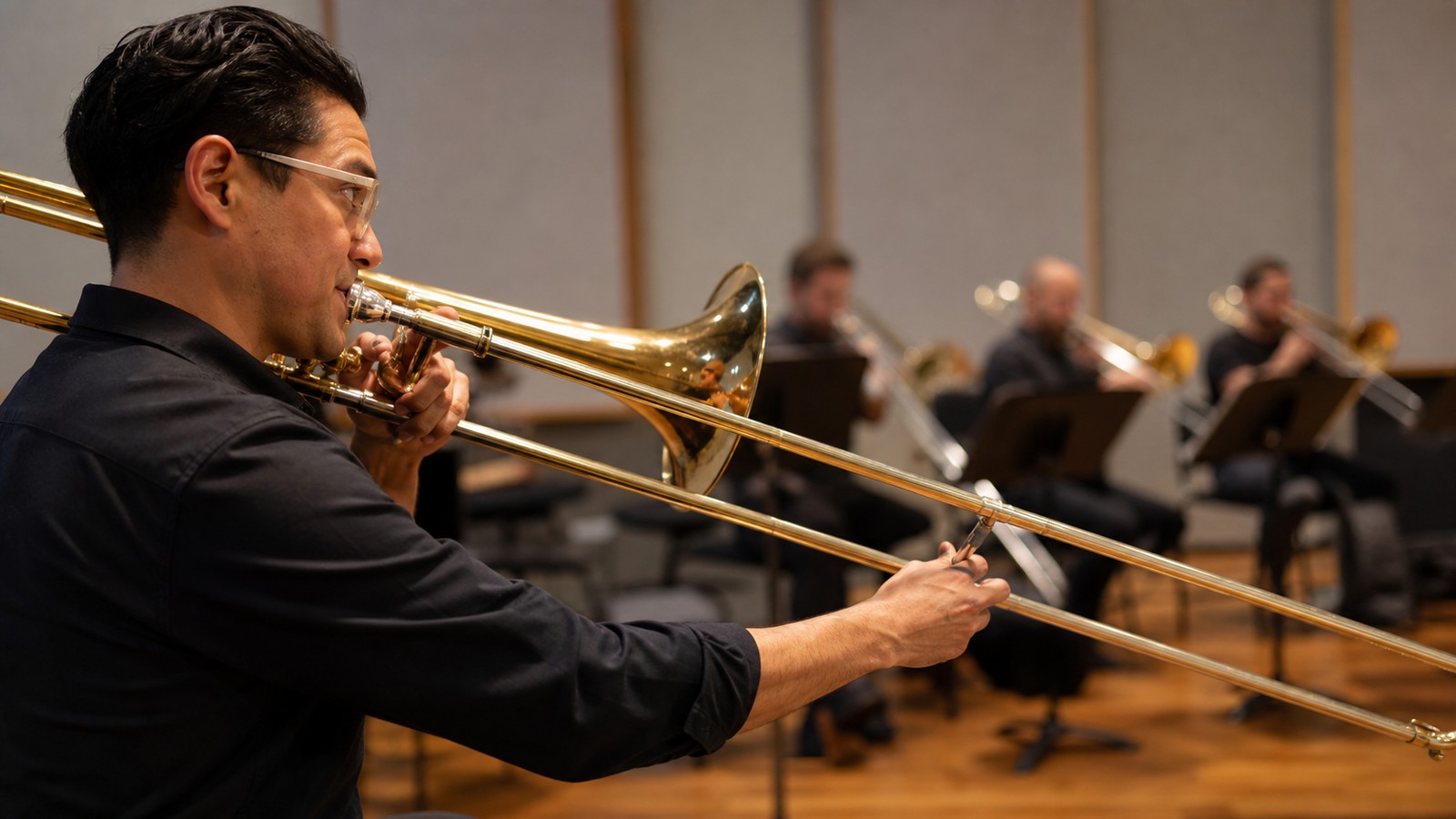
Through many design changes, the hand slide remained the trombone's defining feature. Makers could alter bells, tubing, and valves, but the slide continued to give the instrument its pitch control and expressive identity.
This continuity makes trombone history unusual. Many instruments changed mechanisms dramatically, while the trombone refined an old idea.
Bore Size Changed Playing Feel
Bore size affects resistance, air demand, tone, and projection. Smaller bores often feel quicker and more compact, while larger bores can support broader symphonic sound.
Bell Design Shapes Color
The bell is not just the flared end of the instrument. Its size, thickness, taper, and material influence how sound projects and how the instrument responds. Players may describe bells as warm, bright, broad, focused, or lively.
A bell that suits orchestral playing may not be ideal for lead jazz work. The musical setting matters.
Design evolution followed the needs of players who wanted different balances of color and power.
Yellow Brass, Gold Brass, and Red Brass
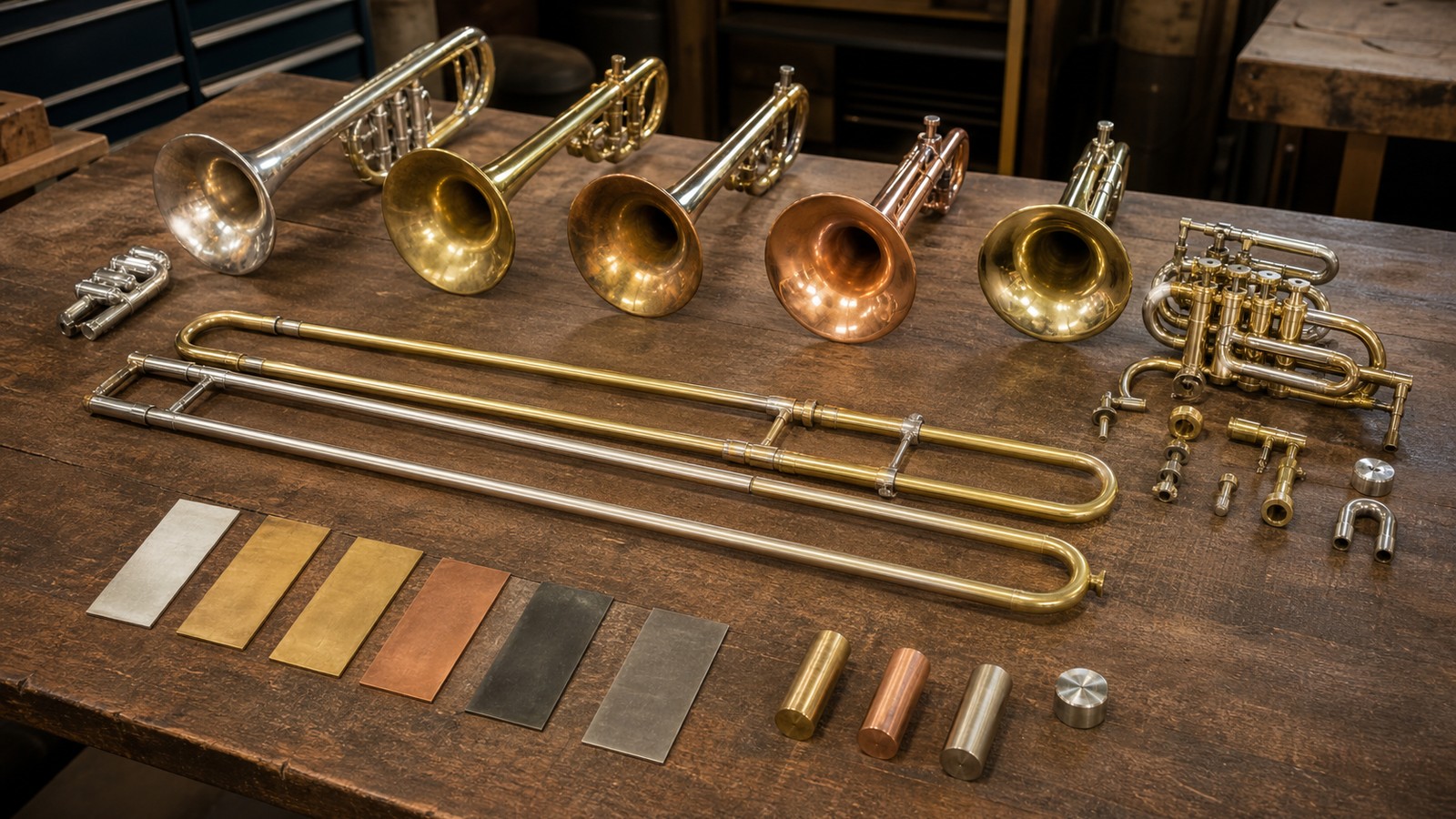
Different brass alloys can affect tone color and response. Yellow brass is common and often associated with clarity and balance. Higher copper-content alloys may feel warmer or darker to some players.
The material alone does not decide the sound. Bell shape, thickness, bore, mouthpiece, and player approach matter too.
Nickel Silver Appears in Slides
Nickel silver is often used in slide components because of durability, feel, and wear characteristics. The slide has to move smoothly through thousands of practice hours.
Slide Construction Became More Precise
Modern slide construction demands accurate alignment, smooth stockings, stable braces, and careful finishing. A beautiful bell cannot compensate for a poor slide. Players judge trombones by how freely and reliably the slide moves.
Better manufacturing helped make instruments more consistent, though hand adjustment and repair skill still matter.
Valve Attachments Expanded Range and Options
F attachments and bass trombone valve systems changed what players could do without abandoning the slide. They offered alternate positions, lower notes, and smoother technical solutions for certain passages.
Valve design also evolved. Wraps, rotors, linkages, and airflow designs can affect resistance and maintenance.
The attachment is not a shortcut around slide technique. It is an extension of the instrument's design.
Braces Influence Stability and Feel
Braces hold the instrument together, but they also influence balance and vibration. A trombone must feel stable in the hands while allowing the bell and slide to respond naturally.
Finishes Affect Protection and Appearance
Lacquer, silver plate, raw brass, and other finishes change maintenance needs and appearance. Players sometimes debate tonal effects, but practical issues matter too: durability, feel, cleaning, and repair access.
A finish should match the player's care habits. A finish that looks beautiful but is neglected will not stay beautiful for long.
Jazz and Classical Designs Diverged
As musical styles specialized, trombone designs followed. Jazz players often favored smaller, quicker instruments for agility and brightness. Orchestral players often moved toward larger instruments with broader tone and greater depth.
These are tendencies, not laws. Many players cross styles, and instrument choice depends on sound concept.
Still, the market reflects real differences in musical demand.
Bass Trombone Design Grew More Powerful
Bass trombones evolved toward larger bores, bigger bells, and more complex valve systems. These changes helped players cover demanding low-register parts in orchestras, bands, and studios.
Manufacturing Improved Consistency
Modern makers can produce more consistent tubing, valves, slides, and bells than earlier workshops could. This helps students and professionals find instruments that respond predictably.
Consistency does not remove individuality. Two instruments with similar specifications can still feel different because small design and assembly details matter.
Mouthpieces Became Part of the System
Trombone design cannot be separated from mouthpiece choice. Cup depth, rim shape, throat, and backbore affect how the instrument responds. A mouthpiece that works on one design may feel wrong on another.
Players often refine the instrument-mouthpiece pairing as their sound concept matures.
The equipment system includes player, mouthpiece, instrument, and musical job.
Student Instruments Prioritize Durability
Student trombones usually emphasize durability, moderate cost, manageable response, and repairability. They may not have the tonal complexity of professional models, but they are designed for learning environments.
Professional Models Offer Specific Choices
Professional trombones give players more choices in bore, bell material, valve design, leadpipe, finish, and setup. Those choices are meaningful only when the player knows what sound and response they need.
More expensive does not automatically mean better for every player. Fit matters.
Materials Do Not Replace Musicianship
Players can become fascinated by alloys and specifications, but materials do not play the music by themselves. Good air, pitch, rhythm, articulation, and listening remain central.
Design can support a musician's goal, but it cannot create the goal.
The best equipment choice makes good playing easier to express.
Modern Design Keeps Balancing Old and New
Today's trombones combine historical slide logic with modern manufacturing, improved valves, specialized materials, and player-specific options. The instrument keeps evolving because players keep asking for new combinations of sound and feel.
How Players Should Think About Design
When comparing trombones, listen and feel before memorizing specifications. Ask whether the instrument supports your tone, range, articulation, slide technique, and ensemble role. A specification sheet can narrow the search, but the player's body and ears must decide whether the design actually works.
The evolution of design matters because it gives players choices. The right choice is the one that serves the music in front of them, not the one that looks most impressive in a list.
The System Is the Story
Trombone materials and design evolved together. Bell alloy, bore, slide construction, valve layout, finish, and mouthpiece all interact. No single feature tells the whole story.
That is what makes the instrument interesting to study. It looks simple from across the room, but every detail affects how it feels in the hands.
The slide remained the heart while everything around it became more specialized.
Leadpipe Choices Refine Response
Leadpipes can change how quickly an instrument speaks, how centered it feels, and how resistance is distributed. Many players overlook this small component, but advanced setups often treat it as part of the response system.
Weight Changes Player Feedback
Instrument weight affects balance and vibration. A heavier bell or valve section may feel stable and broad, while a lighter setup may feel quicker or more immediate. Neither choice is automatically superior.
Players should notice whether weight helps their sound or simply tires the body. Comfort and response are connected.
Repairability Influences Design Value
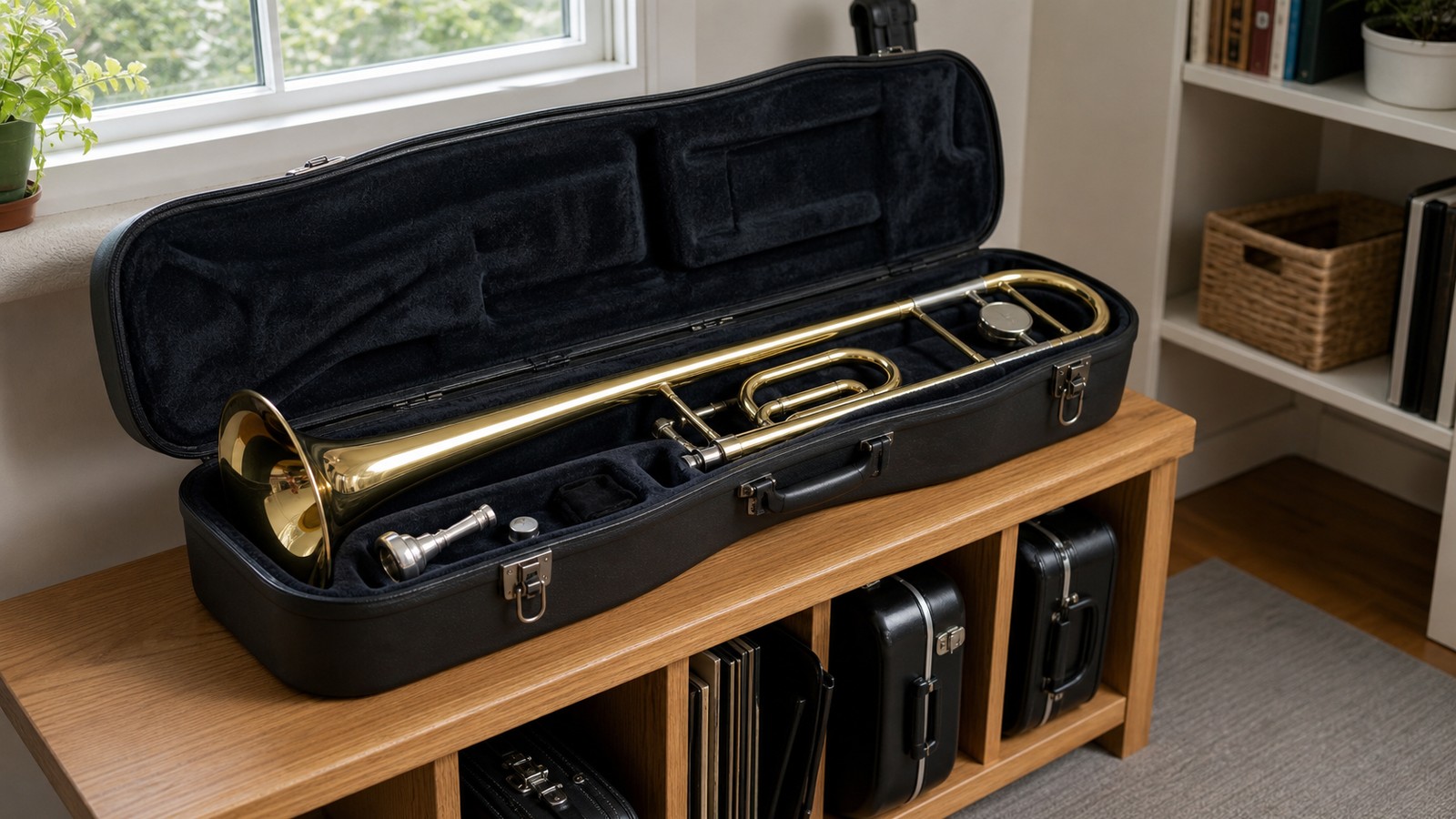
A design is only useful if it can be maintained. Slides need adjustment, valves need service, finishes wear, and cases protect imperfectly. Instruments with accessible parts and familiar repair pathways may serve players better over time.
This matters especially for students and schools. A beautiful instrument that cannot be serviced locally may become impractical.
Long-term ownership is part of design evaluation.
Materials Shape Expectations
Players often bring expectations to materials before they play a note. Knowing common tendencies is useful, but blind testing can be humbling. Ears should remain more important than assumptions.
Design Follows Musical Fashion
As ensembles became louder, halls changed, and styles specialized, trombones adapted. Large orchestral sounds, agile jazz work, and studio flexibility all encouraged different design priorities.
The market reflects those priorities through model options, not one universal ideal.
A Good Fit Feels Inevitable
When design and player match, the instrument feels less like equipment and more like a clear path to sound. Notes respond predictably, the slide encourages confidence, and the bell color supports the player's musical imagination.
That feeling is why two excellent trombones can suit different people. The best design is personal as well as historical.
Studying materials helps players ask better questions, but playing answers them.
Balance Projection and Feedback
Some instruments sound impressive to the player but do not project clearly into the room. Others feel plain up close but carry beautifully. Design evaluation should include both player feedback and outside listening.
Consider the Whole Ownership Cycle
A trombone is not only purchased; it is maintained, transported, repaired, cleaned, and eventually resold or passed on. Materials and design affect that whole cycle. Durable slides, serviceable valves, and stable finishes matter after the first test session.
For students, this practical view can be more important than subtle tonal debates. Reliability keeps practice moving.
Respect Historical Models Without Freezing Them
Some players love older designs for their color and response. Others need modern projection, valve systems, or consistency. Both instincts can be valid. The mistake is treating one era as the only honest trombone sound.
Design history gives players a library of possibilities. It does not require everyone to choose the same shelf.
A modern trombone can honor tradition while solving present-day musical problems.
Let Specifications Start Conversations
Bore, bell alloy, valve type, and finish are useful words for discussion. They should start conversations with teachers, technicians, and trusted listeners, then yield to playing results. The instrument that helps the player communicate is the design that matters.
Notice Response at Different Dynamics
A trombone can feel excellent at medium volume and less convincing at soft or loud extremes. Testing design means playing across dynamics, registers, and articulations. Materials and dimensions show their value when the instrument stays predictable.
This is especially important for advancing players who need one horn to serve rehearsals, auditions, lessons, and performances.
Design Evolution Serves Musical Identity
Every design choice points toward a musical identity. A bright small-bore horn, a broad orchestral tenor, and a powerful bass trombone all invite different ways of playing.
Players do not need to own every design to understand the evolution. They need to recognize that instruments are built around musical jobs.
That recognition helps them choose equipment with purpose instead of chasing specifications for their own sake.
Use Design Knowledge Without Getting Lost
It is useful to know why a bell alloy, bore size, valve wrap, or finish might matter, but players can get lost if they treat every specification as destiny. The practical question is always musical: does this instrument help the player produce the sound, response, and reliability their work requires over months of real playing?
Revisit Choices as Players Develop
A design that fits a player at one stage may not fit forever. Sound concepts mature, ensembles change, range develops, and physical preferences become clearer. Revisiting equipment questions over time is normal.
That does not mean players should constantly switch instruments. It means they should understand design well enough to notice when a real musical need has changed.