Comparing Tuba Brands by Fit, Support, and Playing Goals
Yamaha, Conn, and Miraphone often appear in serious tuba conversations, but they do not all serve the same buyer in the same way. One player may need a durable school-friendly horn with predictable parts support. Another may want a classic American band sound. Another may be comparing rotary tubas with a more European playing feel. The best tuba brand depends on level, budget, ensemble setting, repair access, and the specific model in front of the player. Brand reputation matters because tubas are expensive and difficult to replace, but a name on the bell is not enough. A smart comparison looks at consistency, sound concept, valve design, size, resale value, and whether local teachers and technicians can support the instrument.
A: Yes, Yamaha is often trusted for consistency, school use, and repair support.
A: Many are, especially when condition is strong and the model fits the player.
A: Miraphone is respected for rotary design, clarity, build quality, and professional appeal.
A: There is no universal best; the right choice depends on player, model, condition, and support.
A: Usually only with teacher guidance and a clear long-term reason.
A: No. A neglected famous-brand tuba can be worse than a well-kept practical horn.
A: Desirable Yamaha and Miraphone models often hold attention, but model and condition decide value.
A: Neither is automatically better; feel, maintenance, and musical setting matter.
A: Durability, consistency, repair support, and student fit should come first.
A: Play specific instruments side by side with a teacher and repair context in mind.
How to Compare Tuba Brands Fairly
Tuba brand comparisons should begin with the player's purpose. A middle school beginner, college music major, community band player, and professional orchestral tubist may need very different instruments. Ranking brands without context can mislead buyers.
The exact model matters as much as the maker. Yamaha, Conn, and Miraphone each have different lines, sizes, and histories. A well-maintained used horn from one brand may outperform a neglected instrument from another.
Local support also matters. If a repair shop knows a brand well and can source parts, ownership becomes easier. A beautiful tuba that no local technician wants to service can become frustrating.
Yamaha: Consistency and School-Friendly Reliability
Yamaha is often praised for consistency. Many teachers and schools trust Yamaha because the instruments tend to arrive well built, play predictably, and hold up in educational settings. That reliability is valuable when a program needs several tubas that behave similarly.
Where Yamaha Fits Best
Yamaha tubas can be strong choices for students, schools, and players who want dependable response without too much mystery. They are commonly available, widely recognized, and often easier to recommend sight unseen than more variable used options.
The tradeoff is that some advanced players may want a more distinctive sound or a different feel than a standard school-oriented Yamaha provides. That does not make the brand weak. It means the player's goals have become more specific.
Conn: American Band Tradition and Familiarity
Conn has deep roots in American brass manufacturing and band culture. Many players associate Conn tubas with a broad American sound and long use in schools, community bands, and traditional ensembles. Older Conn instruments can be beloved when they are in good condition.
Condition is especially important with used Conn tubas because age and maintenance history vary. A strong older horn can be a wonderful value, while a worn one may require expensive work. Buyers should not treat the brand name as a substitute for inspection.
Conn can be appealing for players who want a familiar American low-brass character and good fit in band settings. As always, the specific model and condition decide the real value.
Miraphone: Rotary Craft and Professional Appeal
Miraphone is strongly associated with high-quality rotary-valve tubas and a respected European design tradition. Many advancing and professional players admire Miraphone for clarity, build quality, and a sound that can work beautifully in serious ensemble settings.
Where Miraphone Makes Sense
Miraphone may make sense for committed students, college players, professionals, and serious amateurs who know what response and sound they want. The brand often enters the conversation when a player is ready to invest in a long-term instrument rather than a basic school horn.
The price can be significant, and rotary valve maintenance may require a technician who understands the design. For the right player, that investment can be worthwhile. For a casual beginner, it may be premature.
Sound and Response Differences
Yamaha often feels even and predictable, which helps students and schools. Conn may offer a broad, familiar band sound, especially in certain classic models. Miraphone can feel clear, resonant, and refined, particularly in rotary designs.
These are general impressions, not laws. Room acoustics, mouthpiece choice, player concept, and instrument condition all change the result. A player should test with the kind of music they actually perform.
Sound preference should be guided by teachers and recordings, but the player's body matters too. If a horn sounds great in someone else's hands but feels resistant to you, keep comparing.
Valves and Maintenance
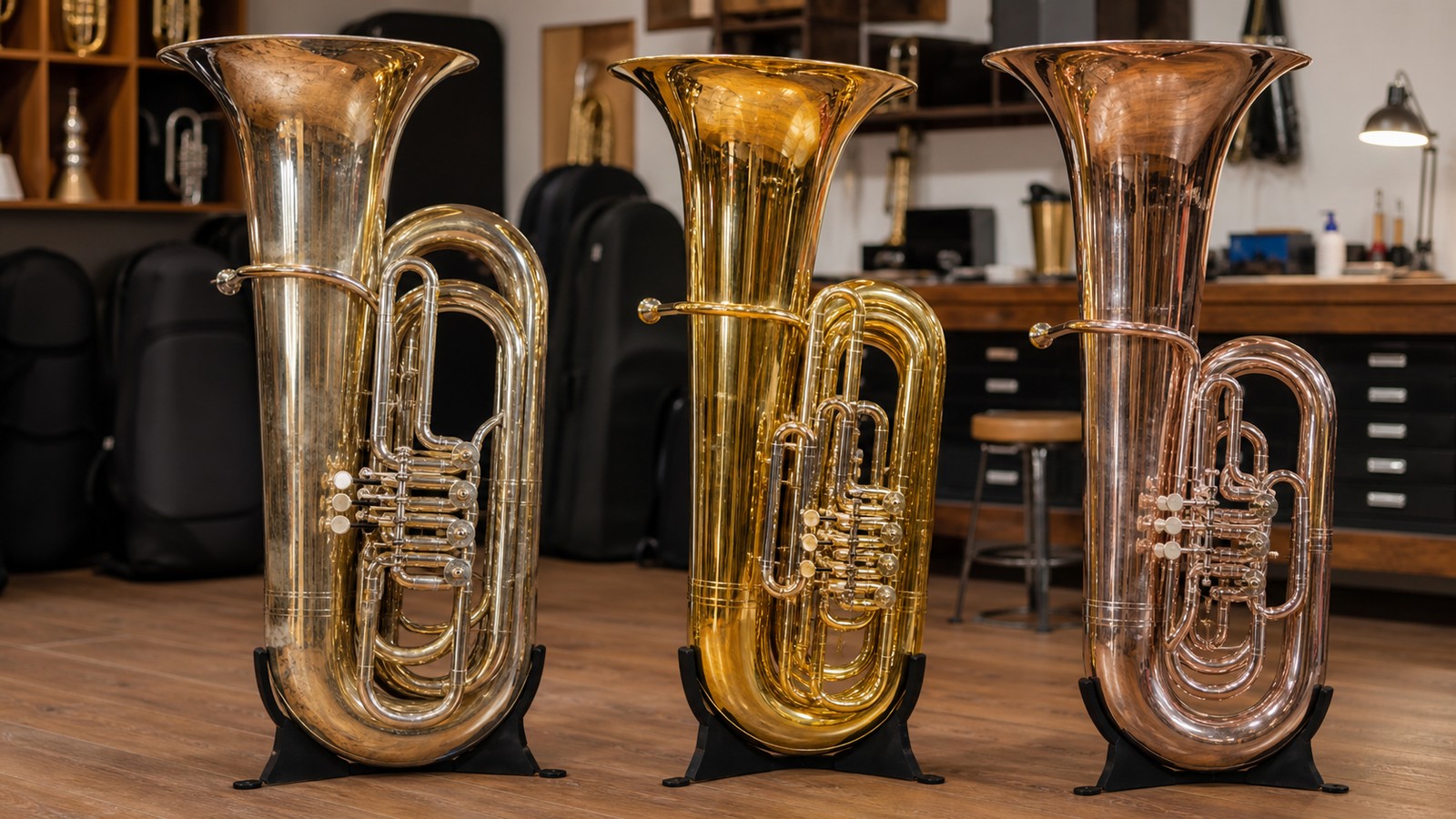
Piston and rotary valves feel different under the hand and require different care. Yamaha and Conn are often encountered in piston student or band contexts, while Miraphone is famous for rotary designs. Neither system is automatically better; each must be built and maintained well.
Budget and Resale
Yamaha can hold value well because schools and teachers recognize the name. Conn values vary widely by model, age, and condition. Miraphone often commands higher prices, especially for desirable professional models.
Resale should matter because tubas are major purchases. A buyer who chooses a known, serviceable instrument may recover more value later if needs change. Unknown bargain brands can be harder to sell or repair. The smartest budget is not always the smallest number today; it is the cost that still makes sense after several years of use.
Which Brand Should Beginners Choose?
Many beginners are safest with a school-approved Yamaha, Conn, Jupiter, Eastman, King, or similar student-friendly horn rather than jumping straight into a premium comparison. If Yamaha, Conn, and Miraphone are the only three options, Yamaha is often the easiest beginner recommendation, Conn can be excellent if condition is strong, and Miraphone may be more horn than a new player needs.
That said, a beginner using a school-owned Miraphone or older Conn under teacher supervision can still succeed. Fit and support matter more than brand category.
The key is to avoid buying beyond the player's needs. An expensive tuba does not replace breath, rhythm, lessons, or daily practice.
Questions to Ask Before Buying
Ask who will service the instrument, whether parts are available, what model and size it is, how the valves feel, and whether a teacher has played it. Ask about return terms and whether the seller can document recent maintenance.
Final Brand Comparison
Choose Yamaha if consistency, school reliability, and broad support are the highest priorities. Choose Conn if a particular model offers the sound, tradition, condition, and price that fit the player. Choose Miraphone if the player is ready for a serious rotary instrument with professional appeal and appropriate support.
The smartest buyer compares specific tubas, not just brand reputations. Test the instrument, involve a teacher, and think about long-term maintenance. With tubas, the best brand is the one that keeps the player growing without creating ownership headaches.
A tuba should be a musical partner, not a status symbol. Brand names can point you toward good candidates, but the final answer lives in the sound, feel, support, and daily usefulness of the actual horn.
How Level Changes the Answer
A beginner needs a different answer than an advanced music major. Early players benefit from consistency, manageable size, and easy repair support. Advanced players may care more about color, projection, valve feel, and how the horn responds in demanding repertoire. The best brand changes when the player's needs change.
School Programs Versus Personal Ownership
Schools often need instruments that can serve many students across many years. That favors durable models, easy parts access, and predictable response. Yamaha and certain Conn-style school horns can make sense in that context because consistency matters as much as personality.
Personal ownership is more specific. A player buying one tuba can choose for body fit, sound concept, and long-term goals. Miraphone may become more appealing when the player knows they want a particular rotary feel or professional sound world.
Testing Brands Side by Side
A fair test uses the same mouthpiece, same room, and similar musical examples. Play long tones, scales, low passages, articulated lines, and a short excerpt that represents the player's real ensemble work. Switch instruments slowly enough that the ear can compare honestly.
Have someone else listen from across the room. Tubas can sound different to the player than they do to the audience. A teacher's outside ear can reveal whether one horn projects clearly, blends better, or hides pitch problems.
Comfort should be part of the test. If one tuba sounds good but forces awkward posture, it may not be the best daily choice. A horn that feels natural often encourages better practice.
Used Brand Comparisons
Used tubas complicate brand rankings because condition becomes the main story. A healthy older Conn, a carefully maintained Yamaha, or a well-kept Miraphone can all be excellent. A neglected version of any of them can become expensive quickly.
The Practical Winner
The practical winner is the tuba that fits the player, has a sound the teacher trusts, can be serviced locally, and makes financial sense. That may be Yamaha in one situation, Conn in another, and Miraphone in another.
Brand comparison should lead to better questions, not instant loyalty. Once buyers ask better questions, they are much more likely to choose a horn that remains useful after the first excitement fades.
How Repair Shops Influence Brand Choice
A nearby repair shop can change the brand decision. If local technicians regularly service Yamaha school tubas, that may make Yamaha ownership easier. If they know older Conn models well, a used Conn may feel less risky. If rotary Miraphone work requires a specialist, the buyer should know that before paying.
Matching Brand to Ensemble Setting
Concert band players often need a sound that blends and supports without becoming muddy. Orchestra-focused players may think more about projection, clarity, and how the tuba sits under a larger brass section. Chamber players may want agility and color changes that feel immediate.
Brand reputation can point toward these traits, but the specific instrument must prove them. Play the kind of music you actually expect to perform. A horn that impresses on one excerpt may feel less suitable in daily ensemble work.
Teachers can translate sound goals into practical advice. They may know which models help students in a particular program and which ones create more work than reward.
Final Buyer Mindset
Approach Yamaha, Conn, and Miraphone as strong candidates, not automatic answers. Each can be excellent when model, condition, player, and support line up. Each can also be the wrong choice when those pieces do not fit.
The best brand decision feels specific. It names the player, the music, the budget, the repair path, and the sound goal. That level of clarity protects buyers from choosing by reputation alone.
A Clearer Way to Decide
A clear decision comes from comparing real instruments under real conditions. Bring the music you play, use a familiar mouthpiece, ask a teacher to listen, and talk to the repair shop before money changes hands. When a brand fits those tests, the purchase becomes much less about debate and much more about usefulness. That practical confidence is worth more than brand loyalty, especially with an instrument this expensive. It protects the buyer after the excitement fades and the real ownership begins. It also keeps the focus on playing well.