Most Beginner Mistakes Are Fixable Habits
Common beginner trombone mistakes can feel discouraging because the instrument is so physical: the slide is visible, the mouthpiece gives immediate feedback, and small changes in posture or air can change the sound dramatically. The encouraging part is that many early problems are not signs of poor talent. They are habits that formed before the player had enough information. With patient corrections, a beginner can turn shaky attacks, missed positions, tight tone, and uneven practice into a clearer path forward. The key is to fix one cause at a time instead of blaming everything on the player.
A: The distances are still unfamiliar, and the ear may not yet confirm pitch quickly.
A: No. It may force a sound briefly, but it often blocks vibration and creates tension.
A: Slow practice removes hiding places and makes timing, pitch, and tone easier to hear.
A: Yes, but it works best alongside listening, drones, and teacher feedback.
A: Reset the left hand before playing and check whether the horn feels supported without squeezing.
A: The breath, pitch idea, or tongue timing may not be prepared before the note starts.
A: Damaged or poorly maintained equipment can contribute, but habits should be checked first.
A: One narrow issue at a time is usually the most productive approach.
A: Clean releases make phrases, rests, and ensemble timing sound more controlled.
A: Ask when the same problem repeats, pain appears, or the cause is unclear.
Holding the Trombone Too Tightly
Many beginners grip the trombone as if the instrument might escape. A tight left hand can pull the mouthpiece into the face, raise the shoulders, and make the slide arm less free. The instrument should feel supported, not squeezed.
Check the left-hand balance before playing. The hand should stabilize the horn while the body stays tall and relaxed. If the horn feels heavy or unstable, adjust the chair, posture, or hand position before adding more pressure.
Reaching With the Shoulder
The slide should move from a relaxed arm, not from a lunging upper body. Beginners often reach for outer positions by pushing the shoulder forward, which changes posture and pulls the embouchure out of balance. A cleaner habit is to let the arm extend while the torso stays quiet.
Guessing at Slide Positions
Slide positions are not frets, keys, or buttons. A beginner has to learn physical landmarks and then refine them by ear. Guessing may work on a few notes, but it creates unreliable pitch when the music moves faster.
Use a simple position chart as a starting map, then pair it with slow notes and listening. Play one note, check the pitch, adjust the slide, and repeat until the hand knows the distance. The goal is not staring at the slide forever. The goal is building enough awareness to stop staring.
A drone is especially helpful because it gives the ear a stable reference. Instead of chasing a tuner needle after every note, the player learns how an in-tune note feels inside a sound.
Using Too Much Mouthpiece Pressure
When notes do not speak, beginners often press harder. Pressure can sometimes force a note to happen, but it usually makes response worse over time. The lips need room to vibrate, and the air needs a clear path.
A useful fix is to return to an easy note and start it with calm air. If the note speaks freely, keep that feeling and move only a small step away. Big corrections should come from air, pitch imagination, and setup rather than force.
Starting Notes With Unprepared Air
A shaky first sound often begins before the tongue moves. If the breath is late, shallow, or tense, the attack has little chance of sounding clean. Beginners should learn to prepare the breath and the pitch before starting the note.
Letting Tone Spread in the Low Register
Low notes can tempt beginners into dropping all structure. The sound may become wide, fuzzy, and slow to respond. A good low register should feel open, but it still needs focused air and enough embouchure shape to keep the pitch centered.
Practice low notes at moderate volume and listen for a core in the sound. If the note turns into a loose buzz, reset with a comfortable middle note and descend again more gradually.
Skipping Slow Practice
Fast practice can make a beginner feel productive, but it often hides the real issue. Slide movement, rhythm, pitch, and articulation all need time to line up. When the tempo is too fast, mistakes blur together and the player cannot tell what to fix.
Slow practice should still have rhythm. Count carefully, move the slide on purpose, and make every note sound like music. Slow does not mean lazy.
Once the pattern is clean, increase tempo in small steps. If the mistake returns, the previous tempo was the real practice speed.
Ignoring the End of Notes
Beginners often focus so hard on starting notes that they forget releases. A note that ends with a sag, bump, or random breath can make the whole phrase sound unfinished. Practicing releases teaches control and makes ensemble playing cleaner.
Practicing Only What Already Feels Good
It is natural to repeat the pieces and notes that feel successful. Confidence matters, but progress also needs small, specific challenges. A good practice session includes familiar material, one focused problem, and a short return to music.
The challenge should be narrow enough to fix. Instead of deciding to improve everything, choose one measure, one slide shift, one entrance, or one tone problem. Specific practice gives the brain a clear job.
Changing Equipment Too Soon
A different mouthpiece, lubricant, or trombone can help in the right situation, but beginners sometimes shop before diagnosing the habit. If the slide is dirty, maintenance matters. If the mouthpiece is damaged or wildly inappropriate, replacement may help. But most early problems still need playing fundamentals.
Forgetting to Listen Like a Musician
Trombone technique can become so mechanical that beginners forget to listen to the result. The slide position may look right while the pitch is still off. The attack may feel strong while the tone sounds harsh. Listening keeps the fix connected to music.
Record short clips and listen without playing along. Notice one good thing and one thing to improve. This keeps the process balanced and prevents every practice session from feeling like a list of failures.
A beginner who learns to listen carefully will improve faster than one who only repeats motions. Sound is the final judge of every correction.
Expecting Every Fix to Work Immediately
Some mistakes disappear quickly, but others take repeated reminders. That does not mean the correction failed. It means the old habit is familiar and the new habit needs more successful repetitions.
Use a patient loop: identify the mistake, simplify the task, make the correction, repeat it a few times, then return to music. This approach keeps practice calm and productive. Beginner progress is built from many small repairs that slowly become automatic.
Confusing Tension With Focus
Beginners often try to concentrate by tightening everything. The brow tightens, the shoulders rise, the jaw locks, and the slide hand becomes heavy. Focus should make playing clearer, not smaller. A quick body scan before a difficult passage can prevent the player from turning attention into tension.
Forgetting to Maintain the Slide
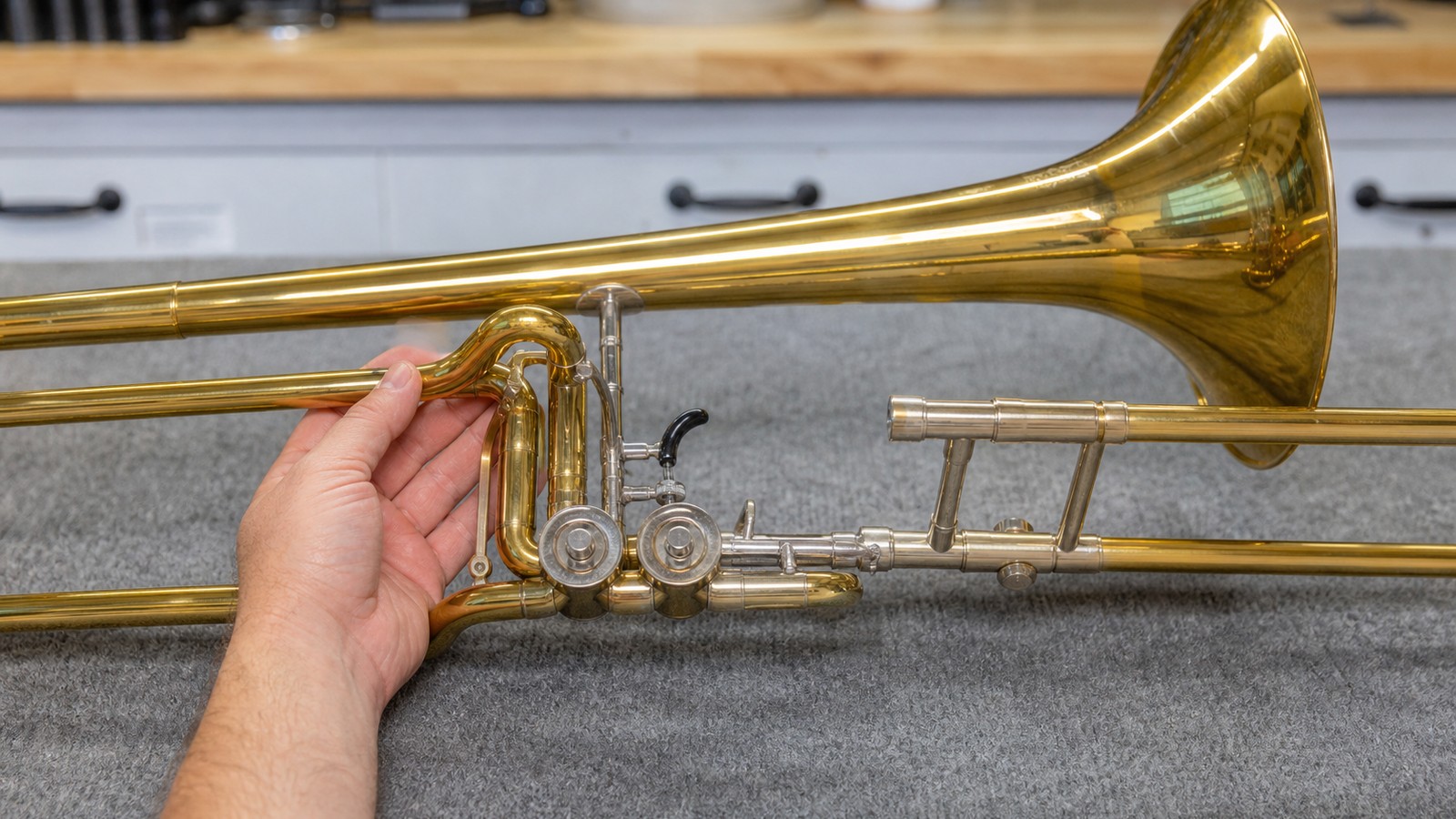
A student who practices on a dry or dirty slide may build unnecessary force into every position change. Regular cleaning and proper lubricant are part of learning, not separate chores. A smooth slide lets beginners discover whether the problem is technique or equipment.
Maintenance should be simple and consistent. Wipe the inner slide when needed, use the lubricant recommended by a teacher or repair shop, and avoid experimenting with household products. The slide is too important for guesses.
Playing Past Fatigue
Beginners sometimes keep repeating a passage long after the useful practice has ended. Once the sound is tired, the slide is late, and the player feels annoyed, the brain is rehearsing frustration. A short rest or a simpler version is usually more effective than another forced repetition.
Leaving Rhythm Out of Fixes
Pitch and tone problems can distract beginners from rhythm, but rhythm is often part of the fix. A slide that moves late may create a wrong note even if the player knows the position. An entrance that starts without a counted breath may sound shaky because the timing was unclear.
Use a metronome, clapping, counting aloud, or subdivision before playing. Then add the trombone at a tempo slow enough to stay organized. The goal is to make the correction happen in time, not only in isolation.
Assuming Loud Means Better
A strong trombone sound is not the same as a loud one. Beginners may overblow because the instrument can produce a big sound quickly. Overblowing often spreads pitch, hardens articulation, and makes endurance worse. Practicing at moderate dynamics teaches control before power.
Build a Fix-It Order
When several mistakes happen in one passage, fix them in an order that makes sense. Start with rhythm and slide positions, then tone, then articulation details, then speed. If the basic map is wrong, polishing the attack will not solve the passage.
A clear order keeps practice from feeling chaotic. The player can hear one improvement, then add another. This is much more encouraging than repeating the passage from the top and hoping every problem disappears together.
Over time, beginners learn to diagnose themselves. That skill is one of the most valuable outcomes of early lessons because it makes every future practice session more independent.
Let the Teacher Hear the Real Problem
Students sometimes hide mistakes in lessons by stopping early, laughing them off, or saying they know what went wrong before the teacher can listen. A better habit is to play the passage honestly and let the teacher hear the pattern. The mistake is useful evidence. It shows whether the cause is slide timing, air, pitch memory, posture, or something else.
Use Easier Music to Rebuild Confidence
When a beginner feels stuck, easier music can be a smart repair tool. A simple melody lets the player rebuild tone, rhythm, and slide confidence without the pressure of a difficult passage. This is not going backward. It is restoring the conditions that let harder music improve.
After the easier line sounds good, return to the problem spot with the same calm setup. Many mistakes shrink when the player remembers what good playing feels like. Confidence and accuracy often rebuild together.
Reward Correct Repetitions
A beginner should notice correct repetitions, not only wrong ones. When a slide shift lands well or an attack speaks clearly, pause long enough to remember the feeling. That positive information helps the body repeat the habit. Practice becomes more balanced when success is treated as data too.
Keep Corrections Age Appropriate
Young beginners do not need a technical lecture for every mistake. They often need one clear cue, a demonstration, and a chance to try again. Older beginners may want more explanation, but they still benefit from simple steps that produce an audible result.
The best fix is the one the player can remember tomorrow. A correction that sounds impressive but cannot be repeated is not yet practical. Keep language plain, connect it to sound, and build from there.
Make the Fix Visible
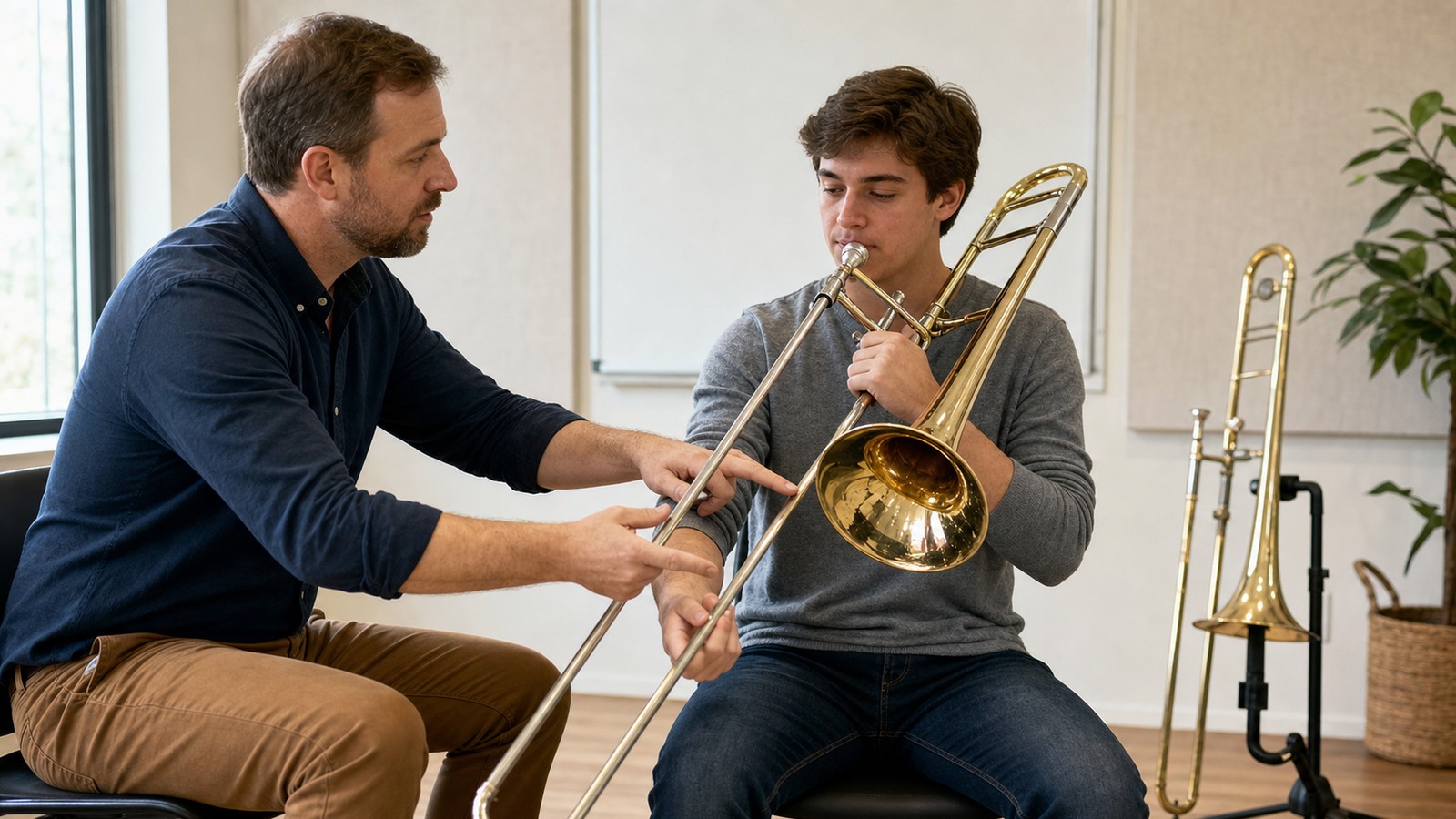
Some beginners improve faster when they can see the correction. A mirror can show raised shoulders, a drifting horn angle, or a slide arm that reaches late. A teacher can also point to the exact moment a habit changes. Visual feedback should not replace listening, but it can make an invisible feeling easier to understand. Once the player sees the habit, the sound usually becomes easier to connect with the fix. That clarity can make practice feel less mysterious and helps the player repeat the correction when no teacher is standing nearby at home during ordinary practice between lessons.