A Smart Budget Trombone Is Playable, Repairable, and Honest
Finding the best student trombones under $500 takes a different mindset than shopping for the fanciest new instrument. At this price, the goal is not luxury. The goal is a trombone that plays in tune enough for lessons, has a smooth slide, holds together under school use, includes a protective case, and can be serviced without turning every small repair into a crisis. Some shoppers will find a solid used student model from a major brand. Others may compare newer budget imports with careful return policies. Either way, the smartest purchase is the horn that lets a beginner practice reliably instead of fighting equipment every day.
A: Yes, especially on the used market, but condition and slide action matter greatly.
A: Often it can be, if the used horn is inspected and the slide is in good condition.
A: Most beginners should start with a simpler straight tenor unless a teacher says otherwise.
A: A damaged or poorly aligned slide can make the instrument frustrating and costly.
A: Not necessarily. Cosmetic wear is less important than playability and structural condition.
A: It is better to ask first because school programs may have size, model, or rental guidance.
A: Very important. A weak case can lead to dents and slide damage during transport.
A: Yes. A low price can become expensive if the horn needs major slide or solder work.
A: Move the slide gently through the positions and check whether it feels smooth and quiet.
A: Renting is often smarter when the student is brand new or commitment is uncertain.
Treat $500 as a Practical Filter
Prices change often, so the under-$500 category should be treated as a shopping filter rather than a permanent list of exact deals. A model that appears below that mark one month may rise above it the next. Used condition, included accessories, shipping, sales tax, and repair needs can change the real cost quickly.
For most families, the best question is not simply which trombone is cheapest. The better question is which option gives the student the most reliable playing experience after purchase. A low price is less helpful if the slide sticks, the case fails, or the horn needs immediate repair.
Look Carefully at Used Student Models
Used student trombones are often the strongest value under $500. A well-kept Yamaha, Conn, King, Bach, Jupiter, or similar school-level tenor trombone can outlast many bargain new instruments. The brand name alone does not guarantee condition, but established student models are usually easier for repair shops to understand.
Ask for clear photos of the slide, bell, braces, mouthpiece receiver, case, and water key. If buying locally, move the slide slowly and listen for scraping or grinding. Small cosmetic dents may be acceptable. Slide damage is much more serious.
A used horn should also be checked for missing parts and poor previous repairs. Crooked braces, loose solder joints, and badly aligned slide tubes can turn a cheap instrument into an expensive project.
Do Not Ignore New Budget Trombones
Some new budget trombones can serve beginners for a limited stage, especially when bought from a retailer with a clear return policy. The advantage is that the horn may arrive clean, shiny, and complete with case and mouthpiece. The risk is inconsistent quality control.
If choosing a new low-cost instrument, inspect it immediately. The slide should move freely, the tuning slide should not be frozen, the bell should be secure, and the mouthpiece should fit properly. A teacher or repair technician can often spot problems quickly.
Prioritize the Slide Above Everything
The slide is the heart of a student trombone. A beginner cannot learn positions, tone, rhythm, or phrasing comfortably if the slide drags or catches. Even an affordable horn should allow smooth movement without the player using force.
Minor slide maintenance is normal. Serious slide alignment problems are different. If the slide feels rough even after cleaning and proper lubricant, the horn may not be a good deal.
A repair shop can sometimes improve a slide, but that cost should be part of the purchase decision. A cheap horn with a bad slide can become more expensive than a better used instrument that was ready to play from the start.
Check the Case and Accessories
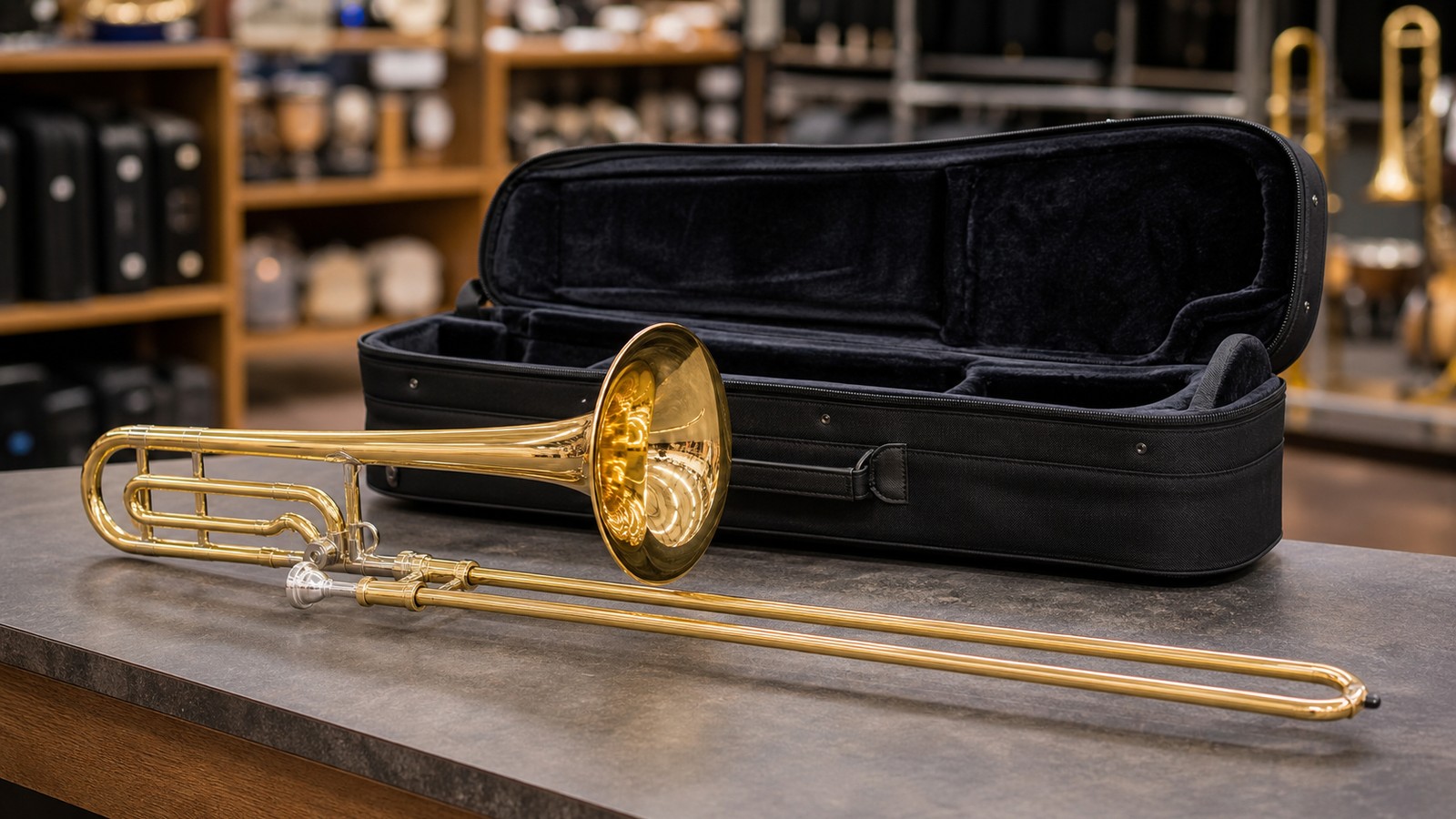
A student trombone under $500 should ideally include a case that protects the instrument during school transport. A poor case can lead to dents, bent slides, and repair bills. The case does not need to be fancy, but latches, handles, hinges, and padding should work.
Avoid Mystery Horns With No Support
Some very cheap trombones look tempting online but have little support, uncertain parts availability, and inconsistent construction. They may work for a short trial, but they can become frustrating when something breaks or the slide never feels right.
Before buying an unfamiliar brand, search for teacher opinions, repair-shop comfort, and return options. If no one can service the instrument or identify parts, the bargain may not stay a bargain.
Consider Renting Before Buying
If the student is brand new, renting can be smarter than buying immediately. A school-approved rental often includes maintenance support and gives the family time to learn whether the student will continue. The monthly cost may be worthwhile if it avoids a rushed purchase.
Buying makes more sense when the student is committed, the horn has been inspected, and the total cost fits the family budget. Some rent-to-own programs can work well, but the final cost should be compared with buying used.
The best path depends on timeline. A student starting band next week may need a reliable rental faster than a long used-market search.
Know Which Features Matter
Most beginners need a standard Bb tenor trombone without an F attachment. A straight tenor trombone is lighter, simpler, less expensive, and common in school programs. F attachments are useful later for some players, but they add weight, cost, and maintenance.
Inspect Before the Return Window Closes
A budget trombone should be tested right away. Play open notes, move through all seven slide positions, check the tuning slide, empty the water key, and confirm the case closes securely. If the student cannot test it yet, ask a teacher, older player, or repair shop for a quick look.
Keep packaging until the horn is approved. Return windows are valuable only if the family uses them. A problem discovered after weeks of uncertainty can be much harder to solve.
Budget for Maintenance Items
The purchase price is not the whole budget. A student may need slide lubricant, a cleaning rod or snake, a mouthpiece brush, a polishing cloth, and occasional repair support. These small items help the horn stay playable and prevent avoidable frustration.
Buy the Horn That Encourages Practice
A good student trombone under $500 should make practice feel possible. The tone may not be professional, and the finish may show wear, but the slide should respond, the notes should tune reasonably, and the instrument should survive normal student use.
Avoid choosing by shine alone. A bright new finish can hide poor slide action, while a scratched used horn may play beautifully. Sound, feel, and serviceability matter more than appearance.
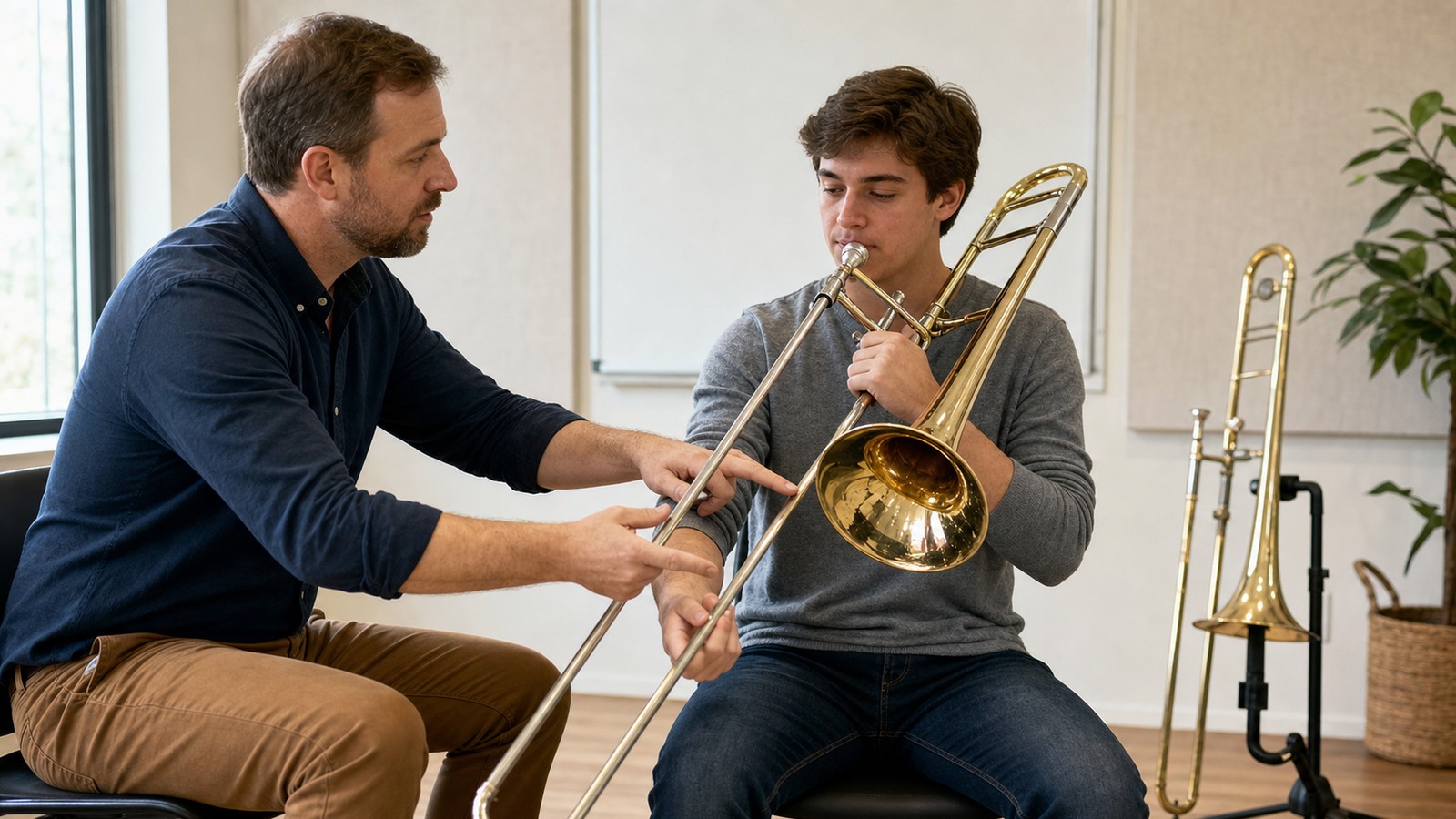
When in doubt, involve the teacher. A five-minute inspection from someone who knows trombones can prevent months of struggle.
Balance Price With Confidence
The best under-$500 purchase is usually the one that combines fair condition, clear seller policies, and a player who can test or return the horn. A slightly higher price from a trustworthy shop may be better than a cheaper listing with vague photos and no support.
Student instruments are tools for learning. If the trombone lets the beginner build good habits, it has done its job. If it constantly distracts from lessons, the savings disappear quickly.
Separate Cosmetic Wear From Functional Trouble
A used student trombone may have scratches, lacquer wear, or small bell dents and still be a good purchase. Those marks can even make the price more reasonable. Functional trouble is different. A rough slide, loose brace, frozen tuning slide, or damaged mouthpiece receiver can affect daily playing and repair cost.
Ask About School Requirements
Some band programs have preferred rental partners, approved model types, or practical advice about which horns survive local use. Before buying, ask the director whether a standard tenor trombone is expected and whether any features should be avoided. This quick question can prevent a mismatch.
School advice is especially helpful for younger students. A horn that looks like a bargain online may be too heavy, too fragile, or too hard to service during the school year. The director has usually seen which options work in real student hands.
Watch the Total Delivered Cost
Online prices can look attractive until shipping, tax, accessories, and possible return shipping are added. A local horn that costs slightly more may become the better value if it can be tested first and carried home safely. Always compare the total delivered cost, not just the headline price.
Test With Beginner Notes
A student trombone does not need to impress with extreme range during a first inspection. It should respond on basic open notes, common first-position notes, and simple position changes. These beginner-level tests reveal whether the horn supports the work a new player will actually do.
If an experienced player tests the horn, ask them to play slowly and listen for response rather than showing off. The question is not whether a skilled player can make it sound good. The question is whether the horn makes ordinary learning easier.
Prefer Clear Sellers
A trustworthy seller should be able to describe the slide, case, dents, and recent repairs plainly. Vague language is not always dishonest, but it increases risk. Clear photos and a willingness to answer specific questions matter when the budget leaves little room for surprise repair bills.
Think About Resale
A student may outgrow the first trombone, switch instruments, or continue into a better model later. Buying a recognizable, playable student horn can make resale easier. Extremely obscure instruments may be harder to sell even if they were cheap at the beginning.
Resale should not be the only reason to buy, but it is part of budget thinking. If two horns cost about the same and one is easier to service and resell, that option often carries less long-term risk.
The best purchase supports the first year and leaves the family with options afterward. That is a stronger definition of value than the lowest possible price.
Keep the First Lesson in Mind
Imagine the student taking the trombone to the first lesson or first band rehearsal. The teacher should be able to focus on posture, air, slide positions, and music instead of immediately diagnosing equipment trouble. A budget horn that allows that kind of lesson is doing its job. It does not need prestige, but it does need basic reliability, a workable case, and a slide the student can move without fear.
Do Not Buy From Urgency Alone
Band deadlines can make families rush, especially when school is about to start. Urgency is understandable, but it can lead to poor choices. If there is not enough time to inspect a used horn, renting for a month may create space to shop better.
A temporary rental can also teach the family what a working trombone should feel like. That experience makes later buying decisions clearer. It is easier to judge a budget listing after the student has played a reliable instrument for comparison.
Choose the Least Distracting Option
A first trombone should disappear into the learning process as much as possible. If the student keeps noticing sticky motion, weak case latches, mystery leaks, or a mouthpiece that does not fit, the horn is stealing attention from music. The best budget choice is the one that lets lessons proceed normally.
Let the Student Try It
Whenever possible, put the trombone in the student's hands before the decision is final. Comfort, balance, and slide reach are practical concerns, not luxuries, especially for younger players who may struggle with an instrument that looks fine to an adult shopper.
If the horn feels manageable, the first weeks of practice become much easier.