The Trombone's History Is a Story of Continuity
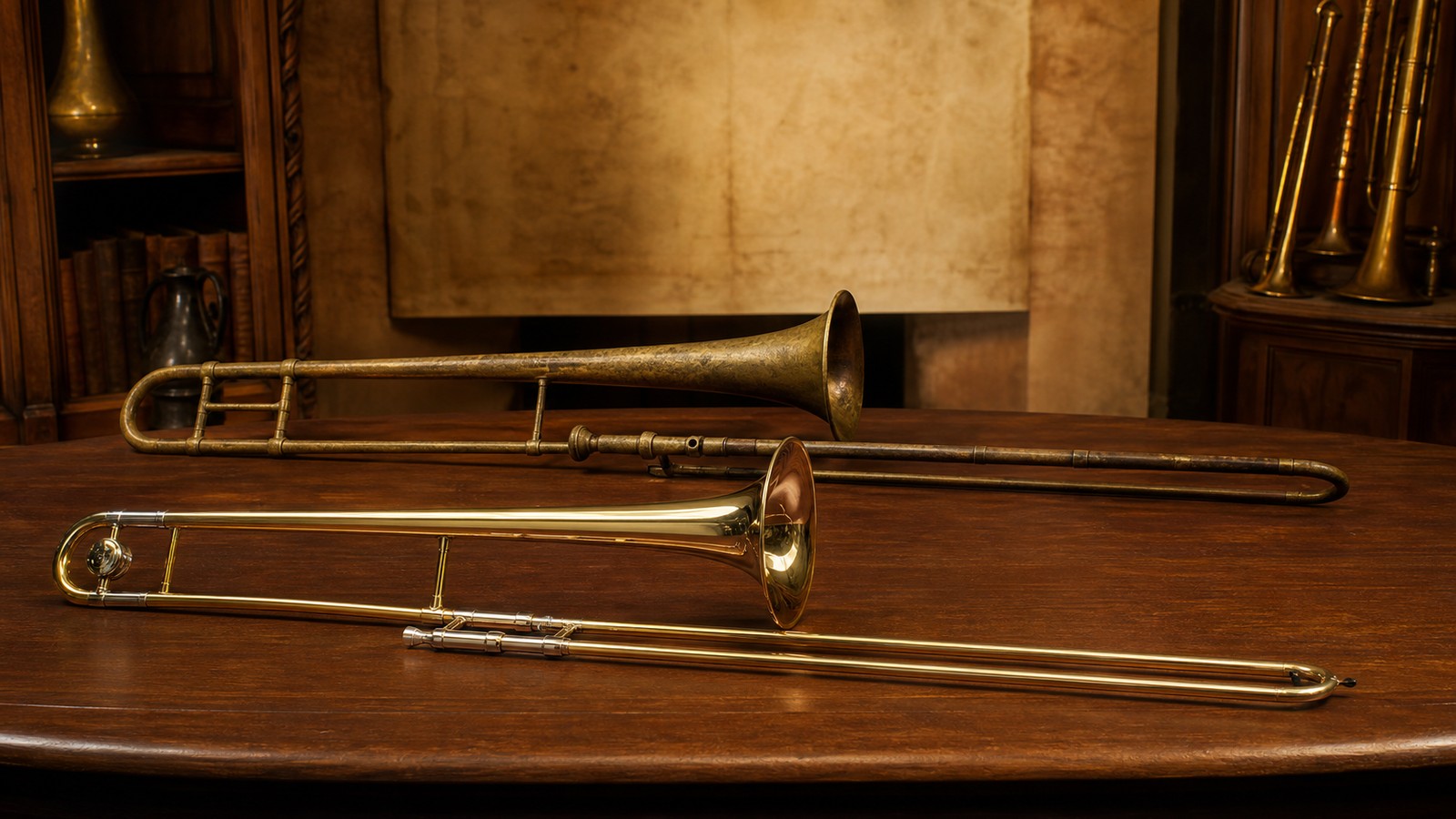
The history of the trombone is unusual because the instrument changed over centuries without losing its central idea: a brass voice shaped by a moving slide. From Renaissance sackbuts to modern orchestral, jazz, marching, and studio trombones, the instrument has kept a direct physical connection between pitch and hand movement. Its roles have changed with musical style, technology, and ensemble size, but its identity remains recognizable. Understanding that history helps players see the trombone as more than a school band instrument. It is one of the brass family's most durable designs.
A: Early forms were often called sackbuts in English historical discussion.
A: It allowed flexible chromatic playing and expressive pitch control before valves became common.
A: No. It moved through church, civic, band, orchestral, jazz, and studio roles.
A: No. Valves influenced brass design, but the trombone kept the slide as its identity.
A: Jazz emphasized smears, vocal effects, improvisation, and strong section personality.
A: School bands made the instrument widely accessible while preserving a long tradition.
A: It is an ancestor with related slide logic but different construction and sound.
A: Construction, bore, bell design, ensemble roles, and playing styles changed significantly.
A: The slide-based relationship between hand movement, ear, pitch, and breath.
A: It helps players connect everyday technique to centuries of musical use.
Before the Modern Name
Early trombone history is tied to the sackbut, a slide brass instrument used in Renaissance and early Baroque music. The name varied by language and region, but the basic idea was clear: a brass instrument that could change pitch smoothly through slide movement.
Compared with many later brass instruments, the sackbut had a more delicate voice and was often used with singers, cornetts, and other ensemble colors. It could support sacred music, civic ceremonies, and courtly performance without overwhelming the texture.
Why the Slide Was Revolutionary
The slide gave players access to a full chromatic range before valves became common on brass instruments. That made the trombone flexible in ways natural trumpets and horns were not.
Renaissance Ensemble Roles
In Renaissance settings, slide brass instruments often blended with voices. They could double vocal lines, reinforce harmony, and add solemn weight to ceremonial music. Their ability to play in tune with singers made them valuable in sacred and civic contexts.
The instrument's sound was not only loud or bold. It could be dignified, vocal, and precise. That early association with the human voice still echoes in how trombonists think about phrasing today.
The trombone's blend made it useful across indoor and outdoor settings, though the exact instrument sizes and local practices varied.
Baroque Survival and Specialization
As musical tastes changed, the trombone did not disappear, but its use became more specialized in some regions. It remained important in church music and ceremonial traditions. Composers used its color when they wanted gravity, sacred association, or dramatic weight.
The instrument's continuity is striking. While many instruments were redesigned dramatically, the trombone kept the slide as its defining mechanism.
Classical-Era Restraint
In the Classical period, trombones were not always regular members of the orchestra. When they appeared, the effect could be powerful because audiences associated the sound with seriousness, ceremony, or the supernatural.
The Trombone Enters the Orchestra More Fully
During the nineteenth century, orchestras grew, brass sections expanded, and the trombone became more established in symphonic writing. Composers used it for power, depth, chorale-like sonority, and dramatic contrast.
The section often included alto, tenor, and bass voices, though instrumentation varied. The trombone choir within the orchestra could sound noble, terrifying, warm, or monumental depending on the writing.
Industrial Changes Shaped Modern Instruments
Manufacturing improvements helped instruments become more consistent. Bore sizes, bell designs, slide construction, and tuning systems evolved as players demanded more projection, reliability, and response. The modern trombone did not arrive all at once.
Valves changed the brass world, but the trombone kept its slide because the slide gave it a voice no valve system could fully replace. Later valve attachments expanded possibilities without removing the core slide identity.
This balance of tradition and improvement is one reason the trombone feels both old and modern.
Military and Wind Bands Expanded Visibility
Bands helped bring trombones into public life beyond churches and orchestras. Military bands, town bands, and later school bands made the instrument visible to more players and listeners. The trombone's directional sound and clear section presence suited outdoor and civic music.
Jazz Changed the Trombone's Public Personality
In jazz, the trombone became vocal in a new way. Slides, smears, growls, tailgate lines, section writing, and improvised solos showed listeners that the instrument could be humorous, gritty, elegant, or deeply expressive.
Early jazz and big band traditions gave the trombone a public personality distinct from orchestral nobility. The same slide that served Renaissance vocal blend now created unmistakable jazz gestures.
Big Bands Made Sections Famous
The big band era placed trombone sections at the center of arranged sound. They could play rich pads, punchy backgrounds, shout choruses, and lyrical melodies. Section blend and individual style both mattered.
Players developed specialized approaches to articulation, vibrato, and phrasing. The trombone became not only a supporting brass voice but a featured color in popular music.
Many modern students still meet trombone through jazz ensemble because that tradition remains so inviting.
Modern Classical Writing Expanded Technique
Twentieth- and twenty-first-century composers explored glissandi, mutes, extended ranges, unusual articulations, and chamber textures. The trombone could still sound ancient and ceremonial, but it could also sound experimental.
The Instrument Family Diversified
Modern trombone playing includes tenor trombone, bass trombone, alto trombone, contrabass trombone, valve trombone, and various specialty instruments. Each serves different musical needs. The family is broader than many beginners realize.
F attachments and other valve systems expanded technique while preserving slide playing. Bass trombones gained power and flexibility for orchestral, band, and studio use.
Education Made the Trombone Familiar
School band programs turned the trombone into a common student instrument. That visibility is important, but it can also make the instrument seem younger or simpler than it really is. Behind the beginner slide positions sits a long professional history.
Students benefit when they learn that their first band part connects to centuries of ensemble music.
Historical awareness can make practice feel less like an assignment and more like joining a tradition.
The Trombone in Film and Studio Work
Modern studio music uses trombones for drama, comedy, warmth, power, and texture. Film scores, television, games, and commercial recordings all draw on the instrument's flexible identity.
What Stayed the Same
Across all these changes, the slide remained central. The player still hears pitch, moves the hand, adjusts with the ear, and shapes sound through breath. That physical connection links modern players with historical ones.
The trombone's history is not just a list of eras. It is a long demonstration that a strong design can adapt without losing itself.
Why the History Matters Now
A beginner learning first position is touching an old idea. A jazz player using a smear, an orchestral player shaping a chorale, and a studio player recording a dramatic cue all use the same basic slide logic in different worlds.
That continuity gives the trombone its unusual charm. It belongs to history, but it is not trapped there.
The modern trombone is still evolving because players keep finding new uses for a design that has never stopped speaking.
The Sackbut Was Not Primitive
It is easy to imagine early instruments as crude versions of modern ones, but that is misleading. Sackbuts served the music of their time with remarkable flexibility. Their lighter construction and focused tone made sense in ensembles that valued blend, text, and line.
Composers Used Color as Meaning
Throughout history, the trombone often carried association. It could suggest ceremony, sacred weight, darkness, nobility, or public grandeur. Those meanings changed by era, but composers repeatedly reached for the instrument when ordinary color was not enough.
Modern listeners may not know every association, yet they still feel the effect. A trombone section entering softly can change the emotional temperature of a piece almost instantly.
Technology Changed Expectations
As instrument making improved, players expected smoother slides, stronger projection, more reliable tuning, and better consistency between instruments. These expectations shaped how composers wrote and how performers trained.
The modern trombone can play with power that would not fit every early setting, but it can still aim for vocal clarity. That wide range of possibility is part of the instrument's historical inheritance.
Technology did not erase the past. It expanded what the old slide idea could do.
Popular Music Kept Reinventing the Sound
Beyond jazz, trombones found homes in salsa, funk, ska, soul, film music, brass bands, and commercial recording. Each style asked for different articulation, section blend, and rhythmic energy. The instrument's history is not limited to concert halls.
Players Shaped the Instrument's Reputation
Instrument history is not only about makers and composers. Performers changed what audiences expected. Brilliant section players, soloists, studio musicians, and teachers showed that the trombone could be agile, lyrical, comic, forceful, or deeply refined.
Students inherit that reputation every time they play. The instrument may look mechanically simple, but its expressive history is broad.
Historical Listening Builds Better Technique
Listening across eras teaches players that trombone sound is not one fixed thing. Early music asks for blend and clarity. Orchestral writing asks for color and control. Jazz asks for timing, personality, and line. Studio work asks for flexibility.
A student who hears those differences may practice with more imagination. Slide positions become tools for style, not just locations to memorize.
History can therefore improve present-day playing. It gives technique a reason beyond getting the right note.
The Slide Remains the Thread
From sackbut to studio trombone, the slide connects the story. It makes the instrument visual, physical, flexible, and demanding. The player has to listen and move at the same time. That challenge has kept the trombone recognizable while music around it changed for centuries.
Remember Regional Traditions
Trombone history did not unfold the same way everywhere. Cities, churches, courts, opera houses, military bands, and local music scenes all shaped how the instrument was used. The broad story is continuous, but the details are regional.
That variety is part of the instrument's richness. A player can study sacred music, orchestral excerpts, brass bands, or jazz and still be studying trombone history.
Compare Sound Ideals
The ideal trombone sound has changed with style. Early ensembles often prized blend and clarity. Romantic orchestras often wanted weight and grandeur. Jazz players developed personal colors, section attacks, and expressive slides.
None of these ideals cancels the others. They show how flexible the instrument became as musicians asked it to serve different purposes.
A modern player benefits from hearing those contrasts. Sound is historical, not just personal.
History Explains Modern Versatility
The trombone works in so many modern settings because its past trained it to be adaptable. It can blend, lead, joke, roar, whisper, and support harmony without abandoning its slide identity.
Let Curiosity Guide Listening
The best way to understand trombone history is to listen across styles. Hear an early-music ensemble, then a symphony, then a big band, then a film score. The differences make the common thread easier to hear.
For students, that listening can make practice more exciting. The slide positions on the page begin to feel connected to real musical worlds.
Carry the Timeline Into Practice
History becomes useful when it changes how a player listens. A Renaissance-inspired line may ask for clarity, while a jazz phrase may ask for speech-like timing and character.
The same slide serves both, but the musical imagination changes. That is why historical awareness can make even basic practice feel broader.
A player is not just learning positions; they are learning how an old design continues to speak.