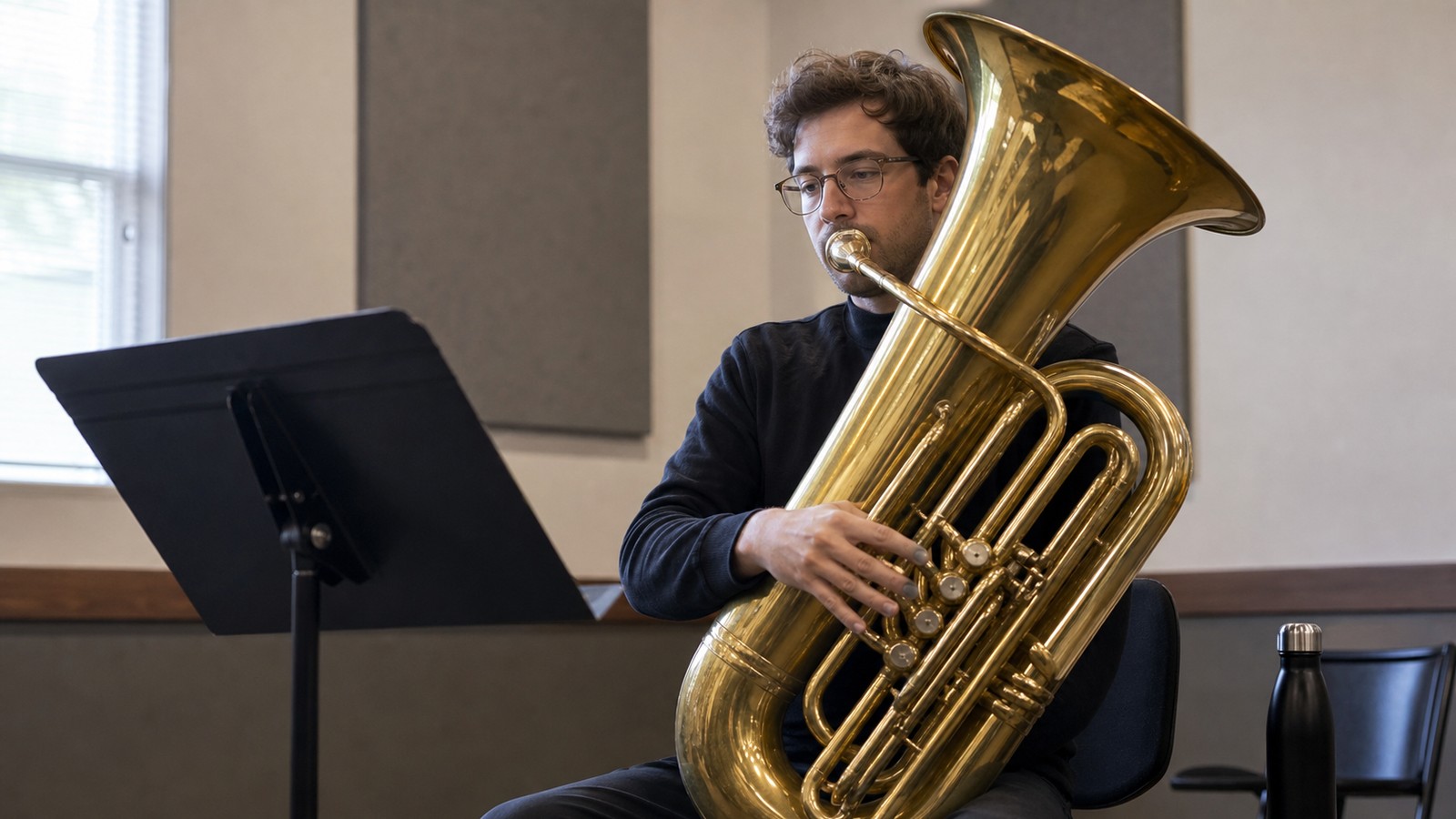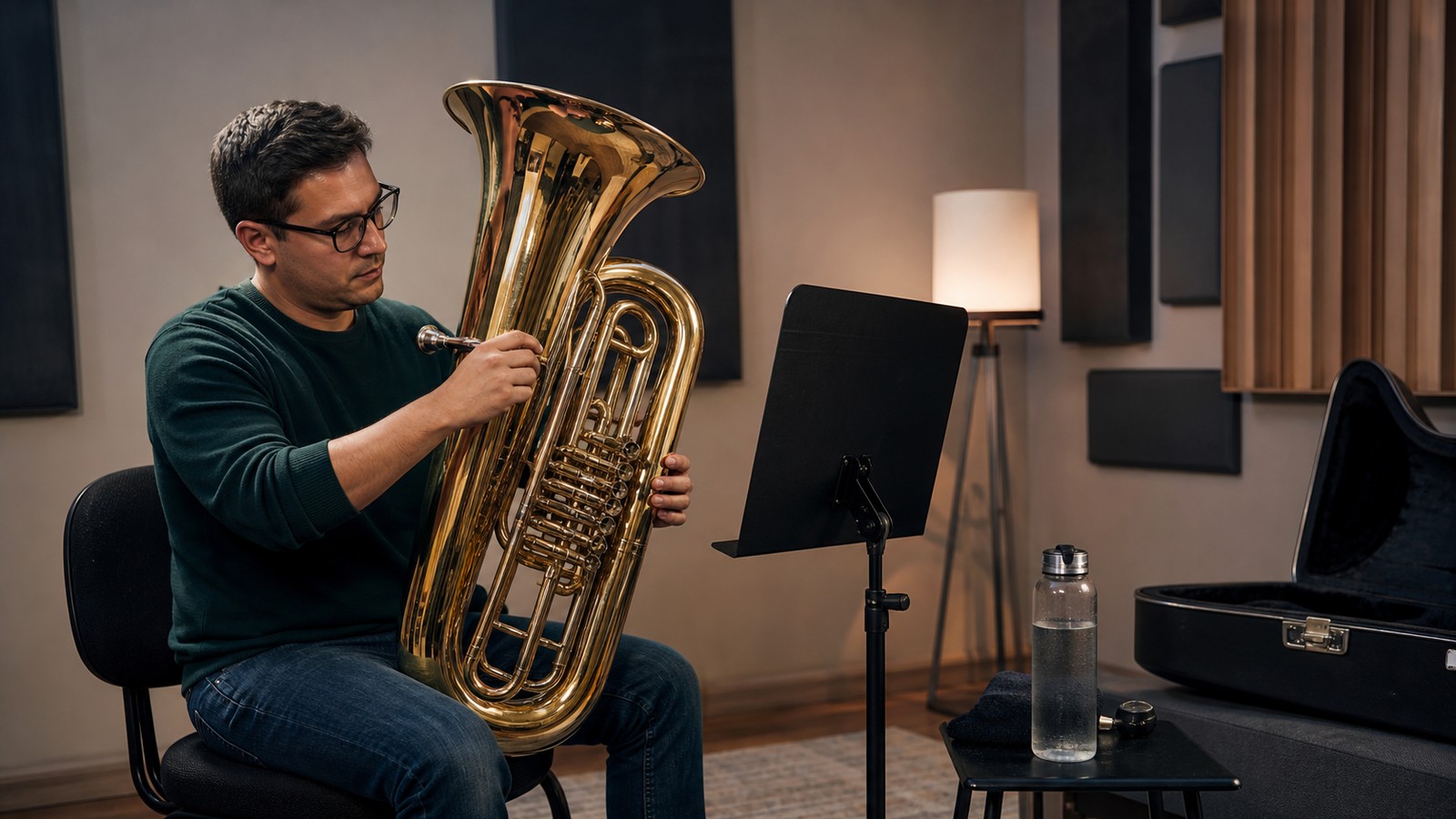
Daily Practice Routines for Tuba Players
Build better daily tuba practice routines with breathing, tone, flexibility, technique goals, repertoire work, rest, logs, and adaptable session plans.

Where Music Begins, One Instrument at a Time
Build better daily tuba practice routines with breathing, tone, flexibility, technique goals, repertoire work, rest, logs, and adaptable session plans.
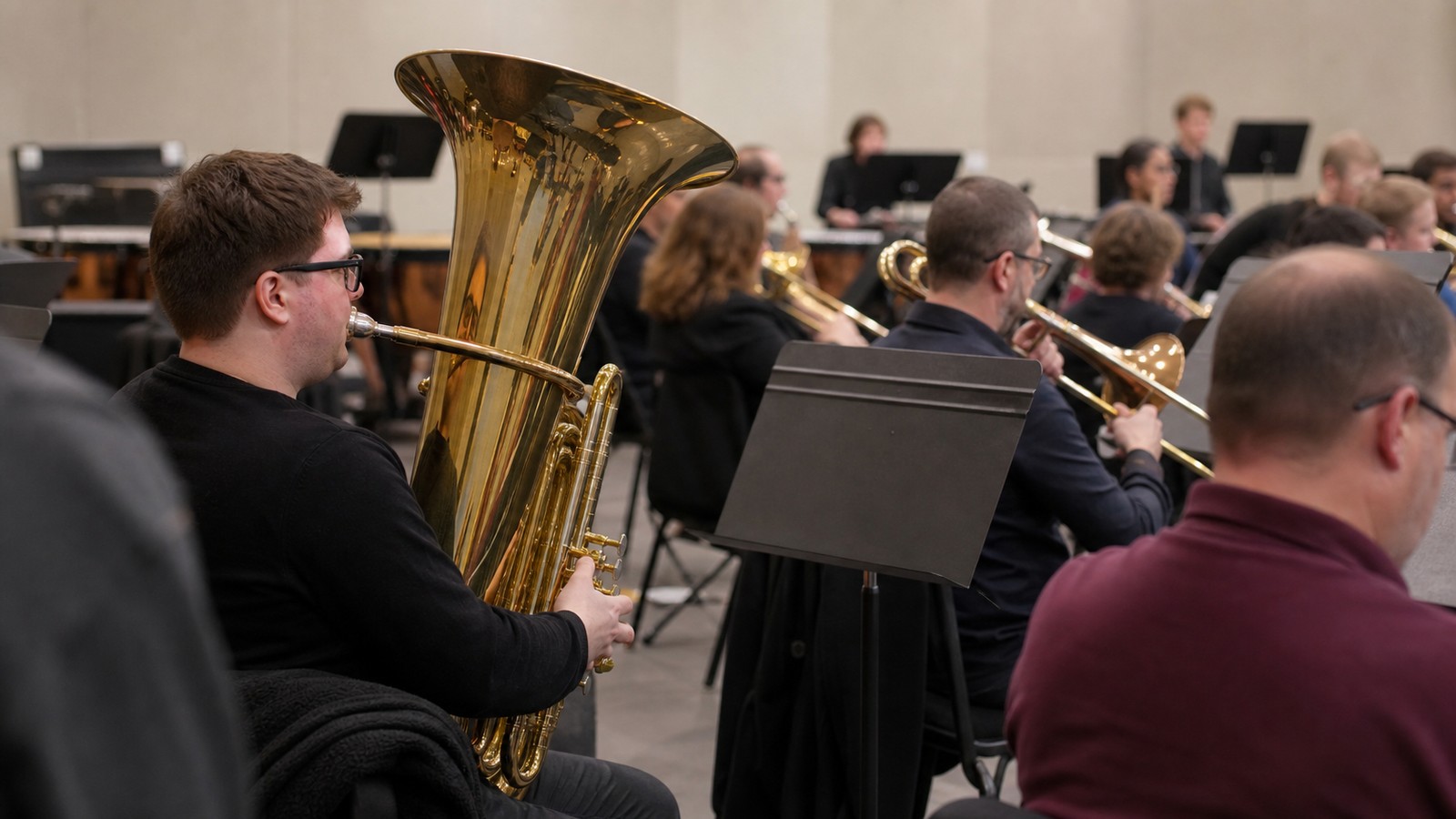
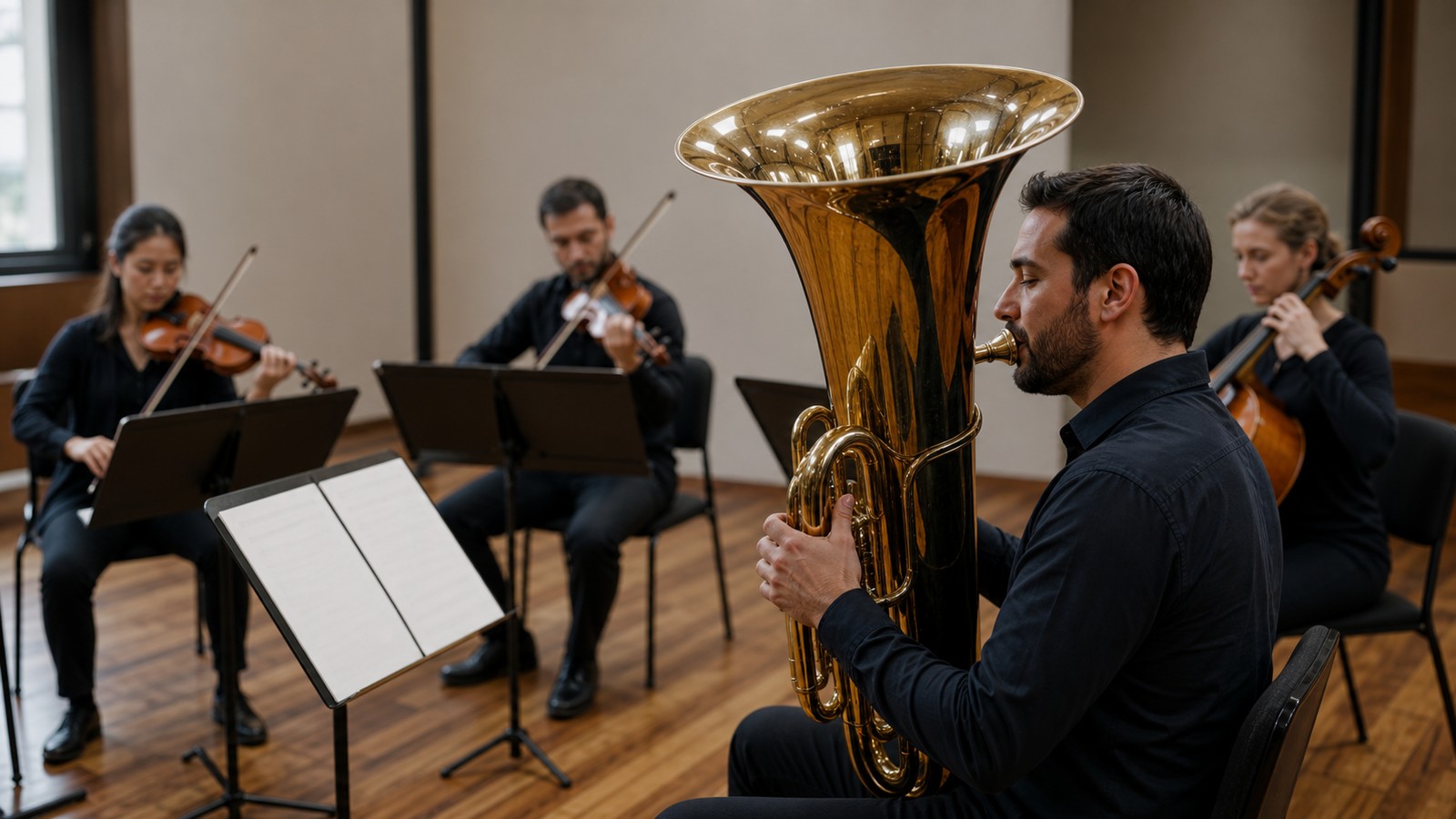
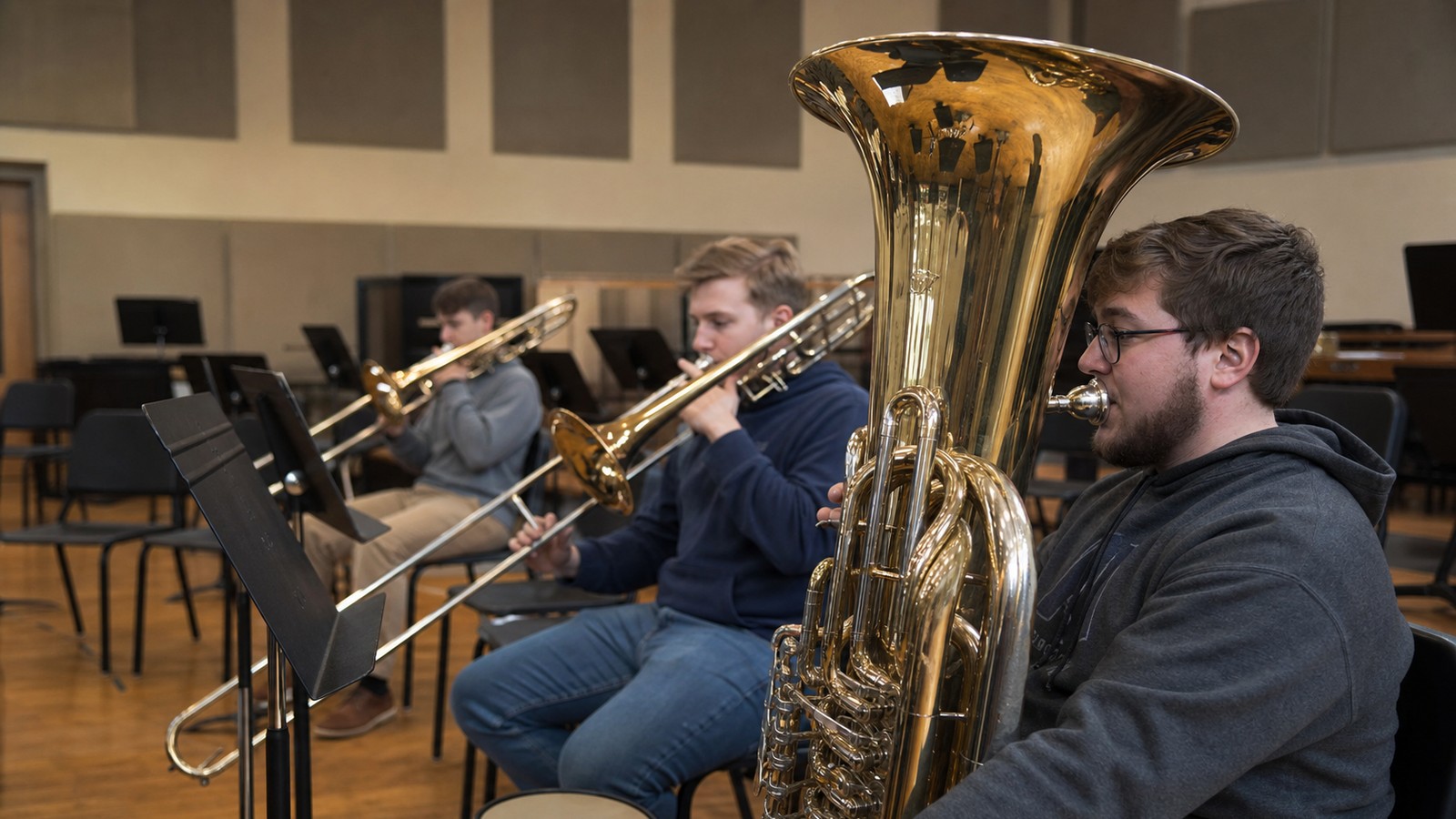
Explore the tuba’s role in concert band, orchestra, and brass ensemble, from harmonic foundation and rhythm to color, balance, intonation, and leadership.
Learn to play softly on the tuba without losing tone using full breath, tone core, soft entries, dynamic shapes, ensemble balance, and confident control.
Learn how to slur and tongue smoothly on the tuba with steady air, efficient embouchure motion, clean valve timing, legato tonguing, and musical drills.
Increase tuba range and endurance safely with efficient air, gradual register expansion, lip slurs, smart rest, practice load planning, and warning signs.
Build low brass warm-ups for tuba players with breathing, long tones, slurs, valve patterns, articulation, section balance, and musical finishers.
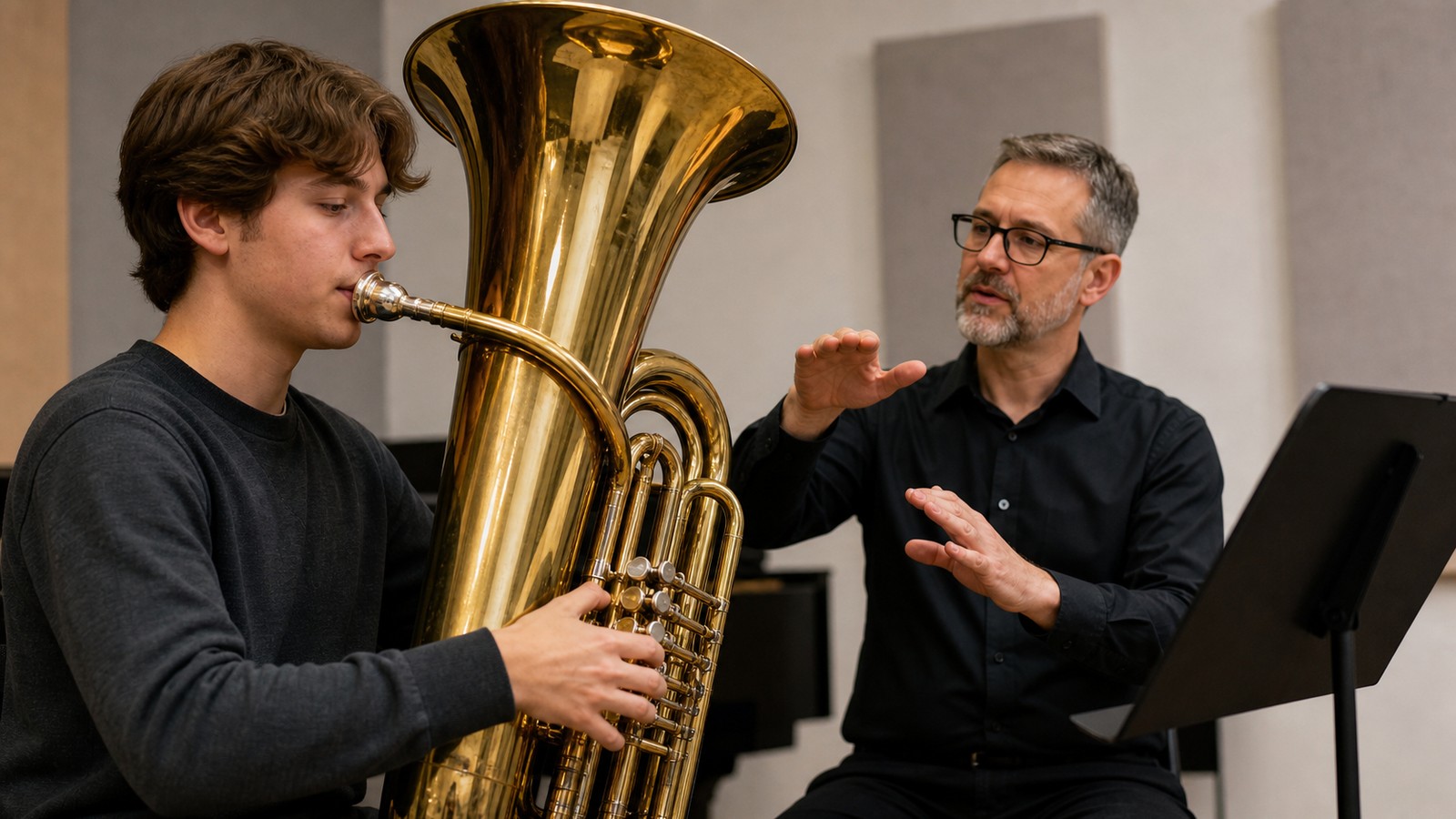
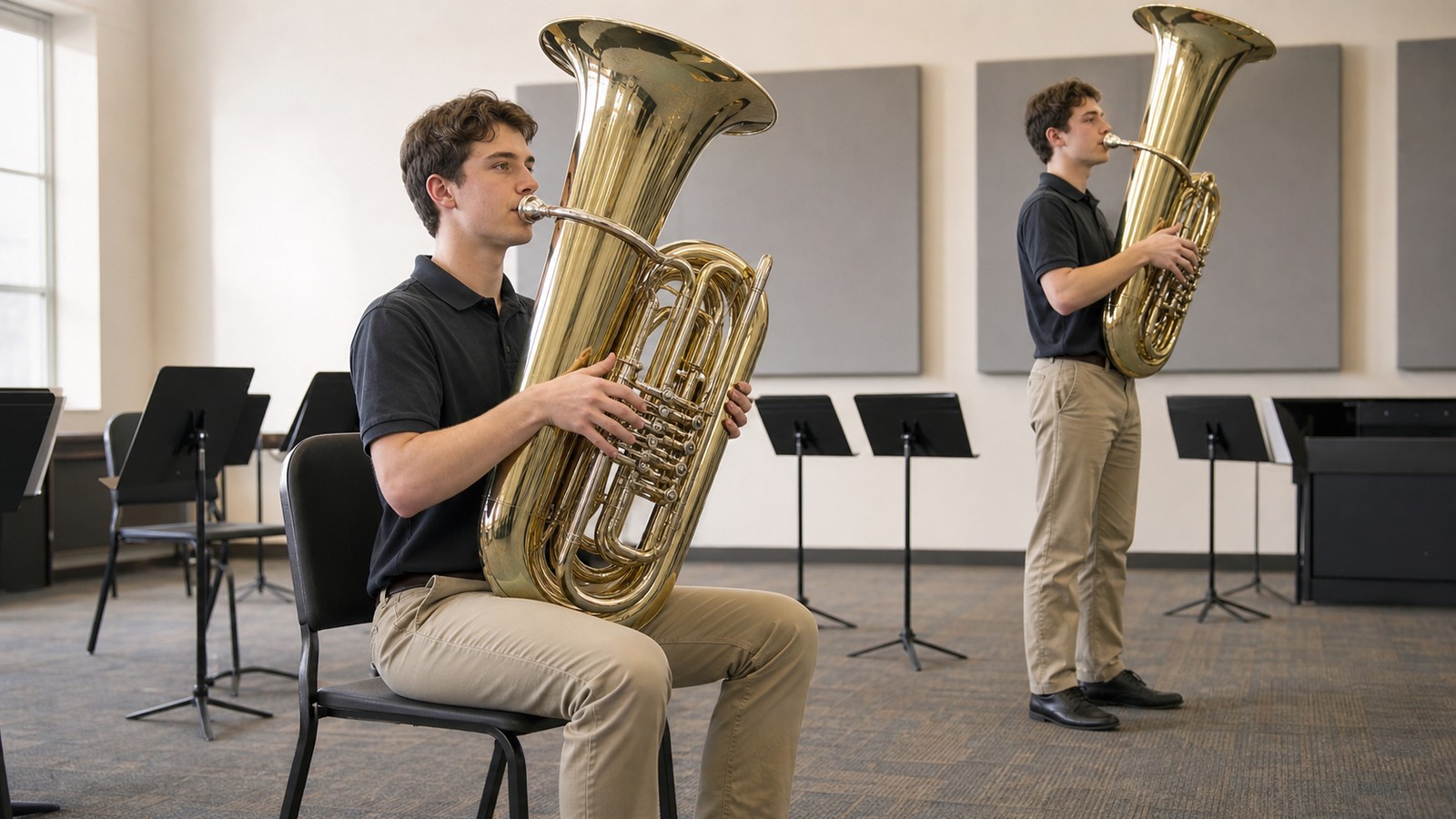
Learn how to hold the tuba correctly while sitting and standing, including posture, mouthpiece height, valve hand position, support aids, and fit checks.
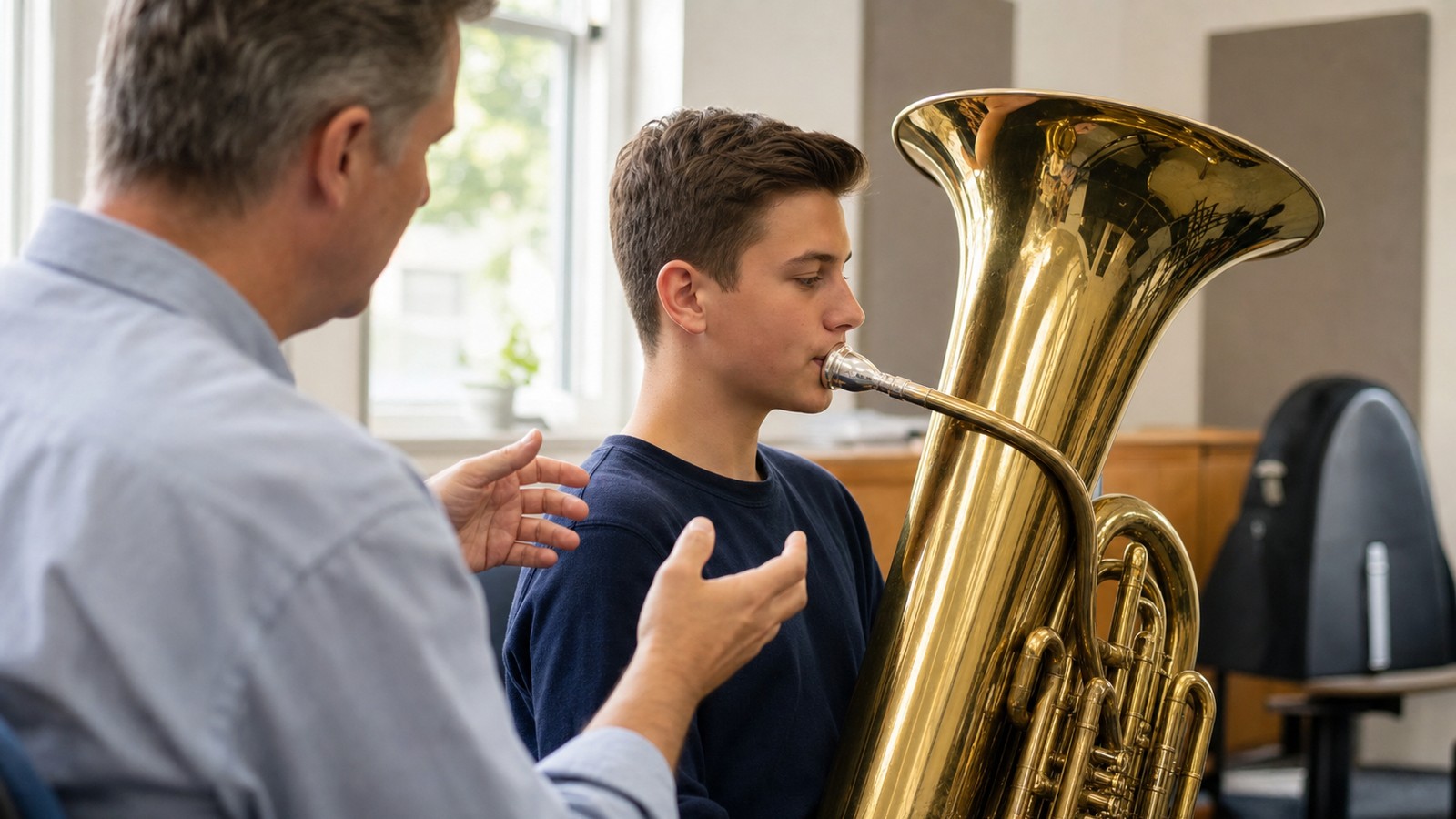
Build a healthy beginner tuba embouchure with relaxed corners, steady air, comfortable mouthpiece contact, smart posture, and short focused practice.
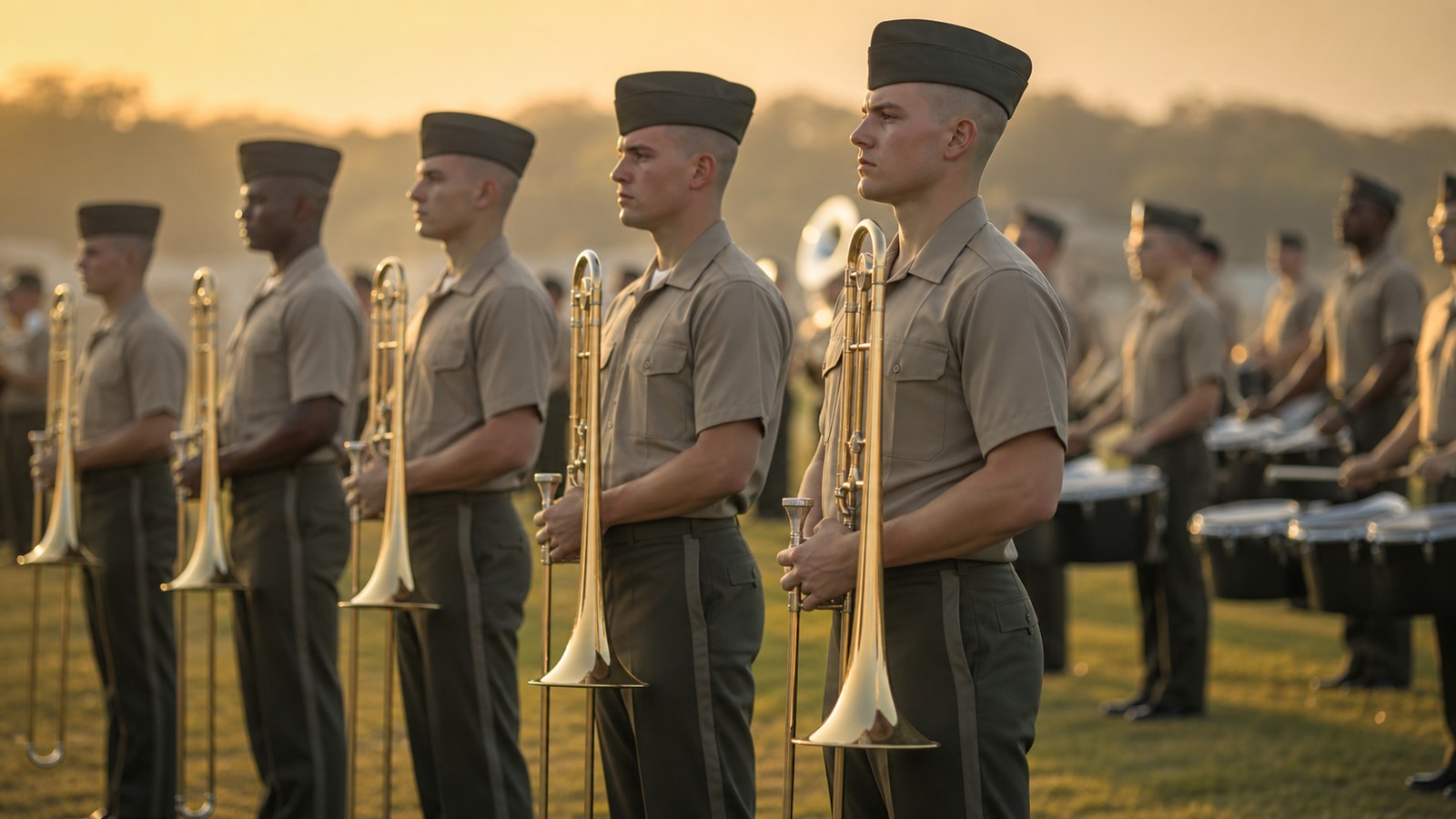
Follow the trombone’s role in military and marching bands, from outdoor brass traditions and parades to school bands, pep bands, and modern field shows.
Compare American and European trombone style tendencies without stereotypes, including tone, articulation, equipment, vibrato, training, and context.
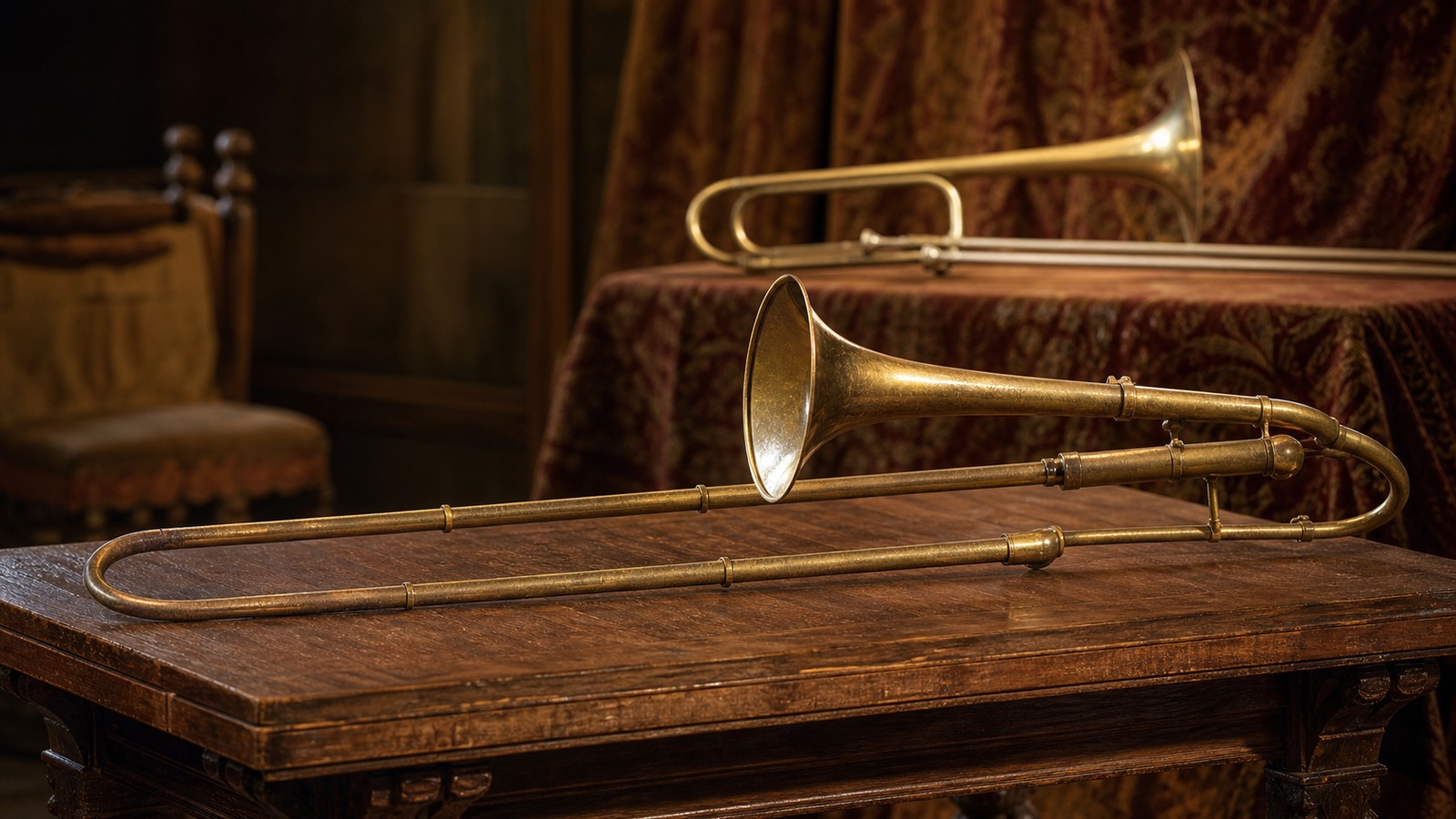
Learn what the sackbut was, how it worked as an early trombone, where it was used, and why its lighter sound still matters today.
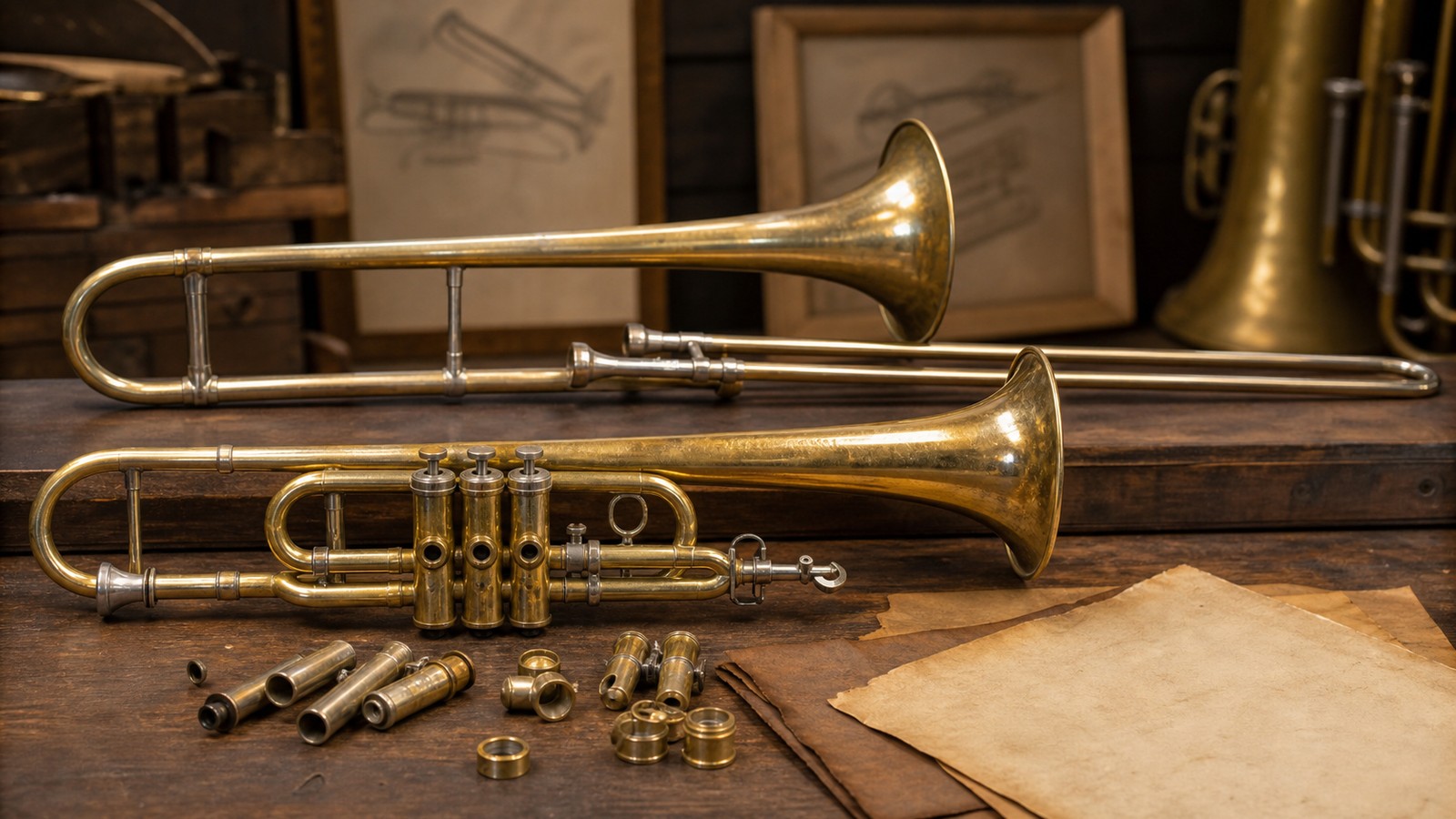
Explore how the valve trombone began, why makers added valves, where the instrument found practical use, and why the slide trombone remained central.